


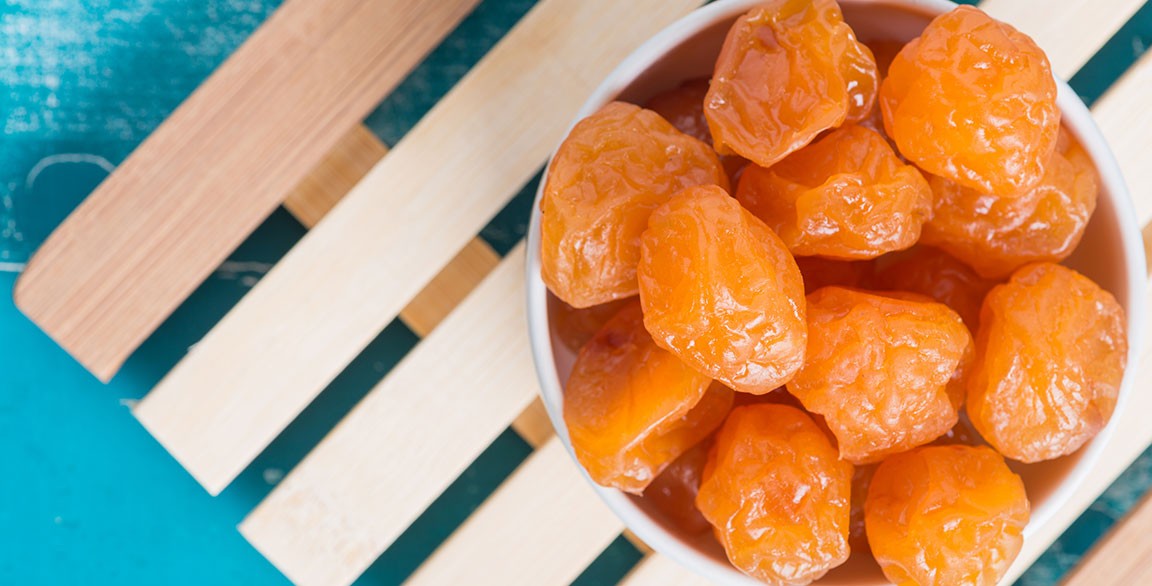
One to Watch: Umeboshi
Flavor depth gives this fruit deep menu potential
MENU USAGE TIPS
Quick ideas for chefs looking to leverage its unique flavor profile:
- In recipe building, a little bit goes a long way.
- Reduce or limit salt in your recipe when using umeboshi as it provides a punch of salinity.
- Complement sweet foods and cruciferous vegetables with its acidic sharpness and fruity flavor.
- Be mindful that it imparts pinkish-red hues (when using umeboshi colored naturally with shiso).
- Utilize for a quick and colorful pickling of produce.
- Use it as a flavoring agent in plant-forward cuisine.
- Accentuate its wellness and digestive attributes.
- Leverage umeboshi as a main flavor call-out for premium positioning or utilize it as a stealth ingredient, delivering a flavor twist that guests can’t quite put a finger on.
- Feature it in soups, sauces, marinades, spreads/dips, salad dressings and more.
UMEBOSHI IN ACTION
Pairing exotic with familiar is a proven culinary strategy, making new flavor introductions more accessible to consumers. Here are a couple thought-starters and menu sightings for inspiration on application ideas using umeboshi:
Try This
Samurai Pie: Strawberry-rhubarb-umeboshi pie slice + cardamom ice cream
Warrior Bowl: Chilled soba noodles + pickled plum dressing (umeboshi vinegar/orange juice/white miso/tahini) + shaved tri-color baby carrots + cucumbers slices + togarashi pork tenderloin slices
Menu Sightings
Maple Umeboshi: Salted plum maple syrup (served with our Fried Chicken & Waffles)
Brassica Kitchen + Cafe, Boston
Pork Collar served with barley, rutabaga and a tart umeboshi plum purée
Aquavit, New York
Coconut Squash Soup: Coconut milk, kabocha squash, red onion, ginger, vegetable broth, ume plum vinegar, garnished with sesame seeds
ATX Food Co., Austin, Texas
Pepe Meshi confit chicken, spaghetti, rice, umeboshi, nori
Kiki, Cincinnati
About the Author
 Rob Corliss is a three-time James Beard House guest chef with more than 30 years of experience that includes running world-class hotels, launching new concepts, working in top marketing agencies and owning the culinary consultancy ATE (All Things Epicurean) since 2009. Based in Nixa, Mo., ATE has an energizing passion focused on flavor innovation and is dedicated to connecting people to their food, environment and wellness. Rob is also a regular contributor to Flavor & The Menu.Read More Stories by Rob Corliss
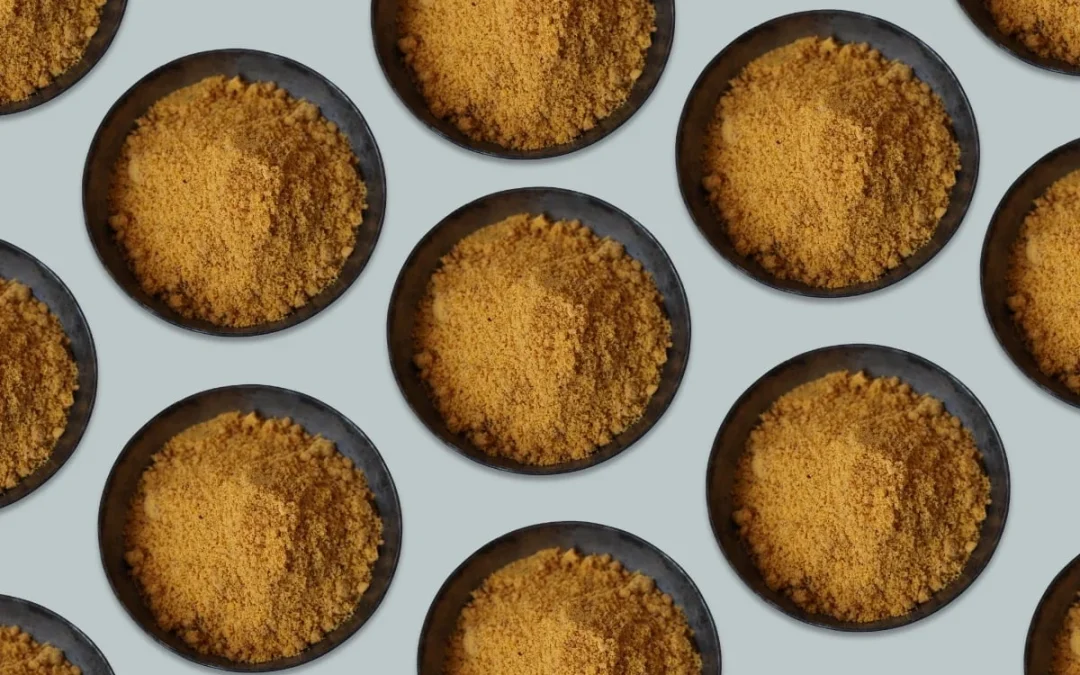
Flavors on the Edge: Gunpowder Masala A crunchy, fiery blend finds its way onto modern menus
Flavor Trends, Strategies and Solutions for Menu Development[google_sidebar_ad...
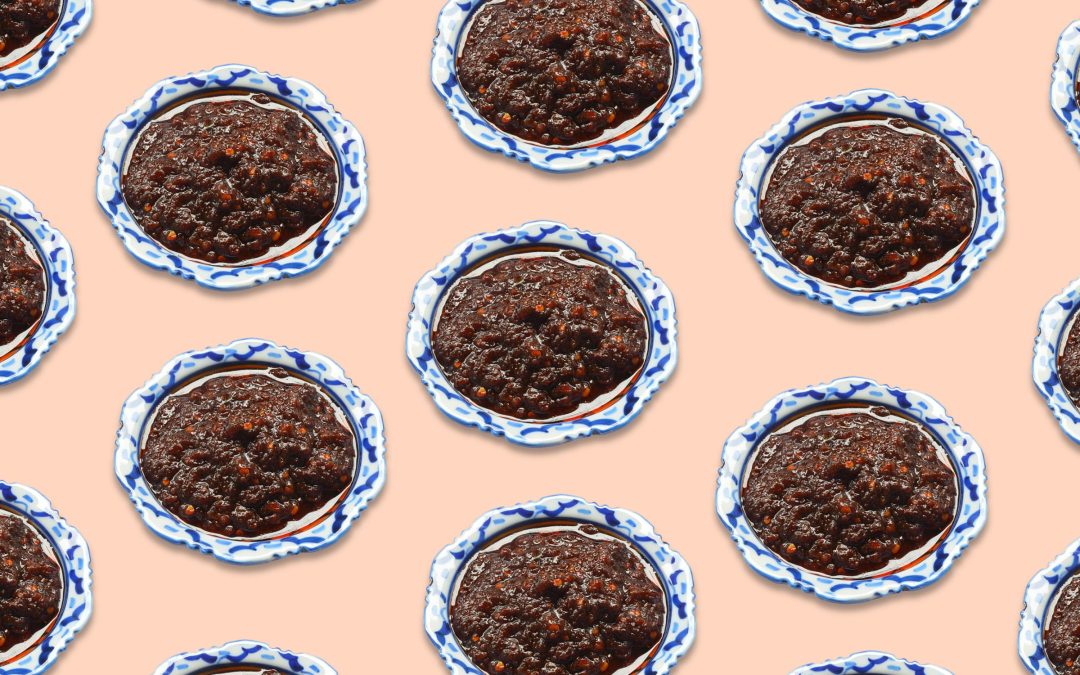
Flavors on the Edge: Salsa Negra This smoky, glossy and toasty condiment is making moves
Flavor Trends, Strategies and Solutions for Menu Development[google_sidebar_ad...
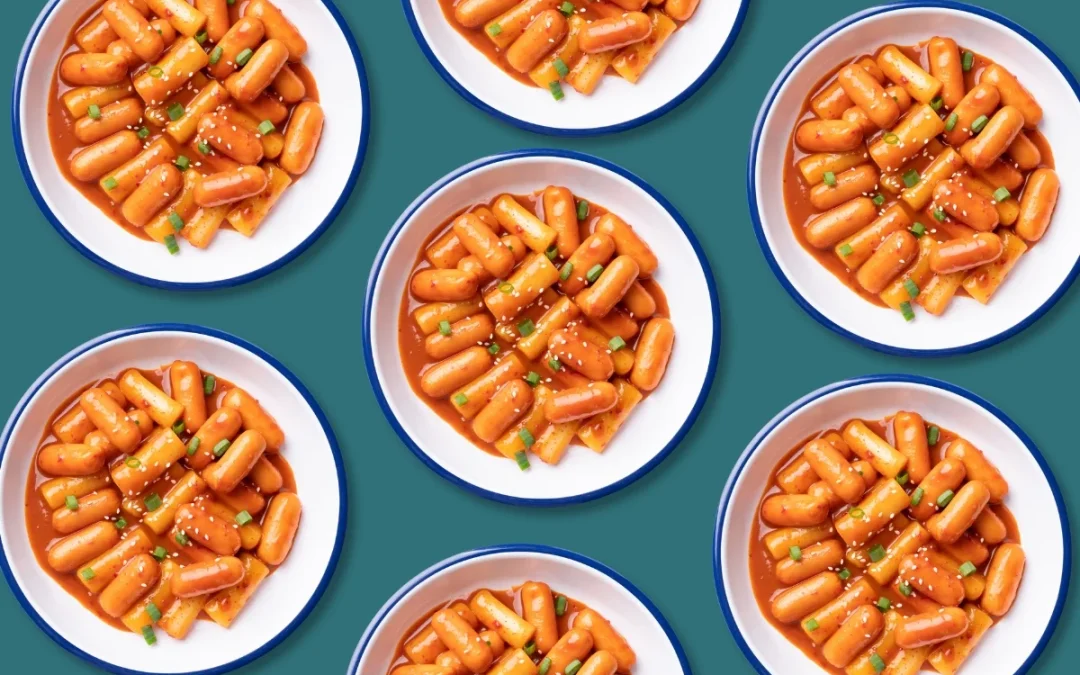
Flavors on the Edge: Tteokbokki Chewy, saucy and primed for U.S. menus
Chewy rice cakes, glossy sauce and bold heat...
