

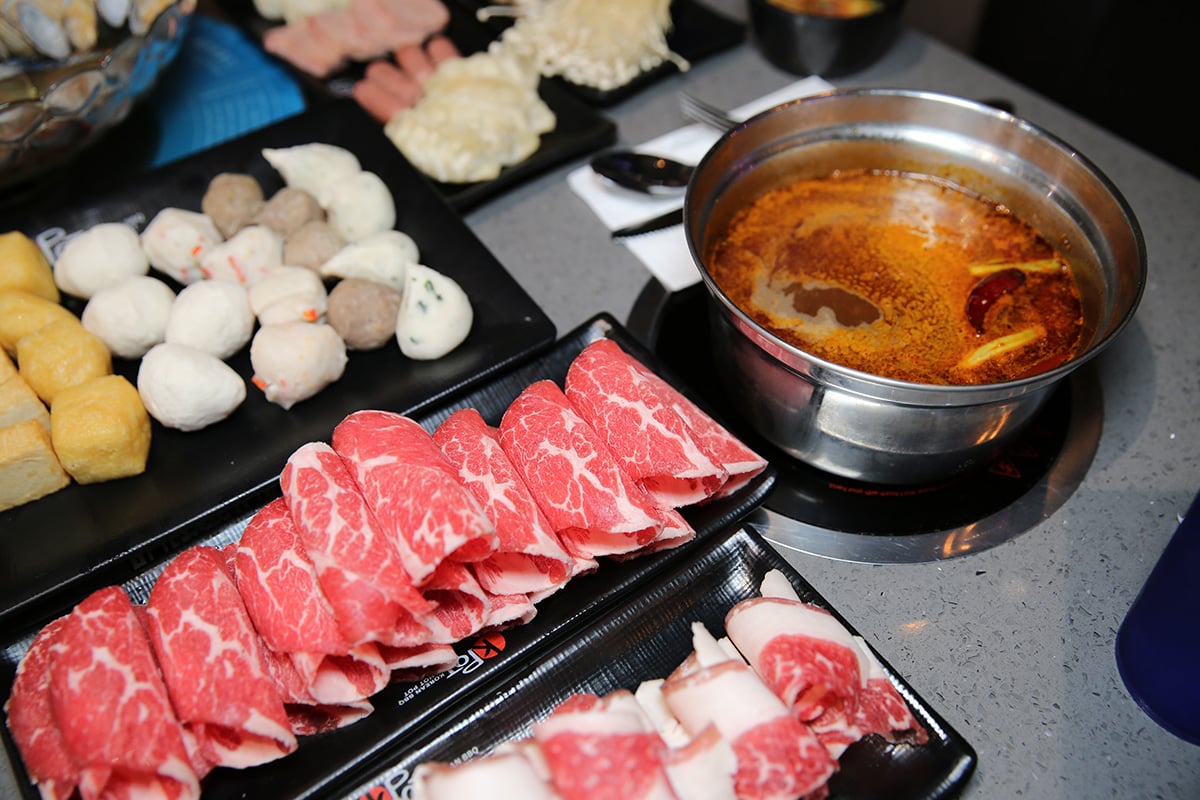
Photo Credit: KPOT
Hot Pot
Choose your own culinary adventure with friends
Although the term “hot pot” is most closely associated with Chinese cuisine, other countries, including Japan and several in Southeast Asia, have their own versions. Now, these dishes are moving beyond independent mom-and-pop restaurants as growing consumer interest fuels multi-unit expansion. Since opening its first stateside outpost in 2013, China’s largest hot pot chain, Haidilao has steadily rolled out a dozen more locations, but recently the company announced plans for more aggressive expansion in the U.S. The Japanese equivalent of hot pot, shabu-shabu, is also finding purchase in domestic markets as evidenced by concepts like two-location steakhouse Yoshi Shabu Shabu in Texas and Mokkoji Shabu Shabu in Southern California, with a fifth unit slated to open this month.
Maryland-based chain KPOT specializes in Korean hot pot and barbecue with a menu that invites guests to choose their own adventure. “The customizable nature of the experience of being able to cater to different dietary needs and preferences within the same group is always a hit. Some guests like to select a designated ‘chef’ for the table, while others like to split the cooking responsibilities equally,” says Margaret Farrell, head of marketing for KPOT parent group Vertex Hospitality.
On the hot pot side of the menu, protein options include pork belly, brisket, lamb, chicken and beef tongue as well as meaty add-ins like tripe, quail eggs, fish cakes and cuttlefish balls. The veggie and noodle selections are equally expansive, ranging from cabbage, bok choy and udon noodles to a half-dozen mushroom varieties, sweet potato noodles and rice cakes.
“KPOT’s menu showcases a diverse culinary selection, featuring premium meats, fresh seafood, and crisp vegetables for both barbecue and hot pot options,” Farrell says, adding that staff are ready to help guests who are unfamiliar with the hot pot experience or overwhelmed by the number of choices. “Because our menu is so customizable, every person is able to create the meal they want at that time, which we think is one of the best aspects.”
You May Also Like
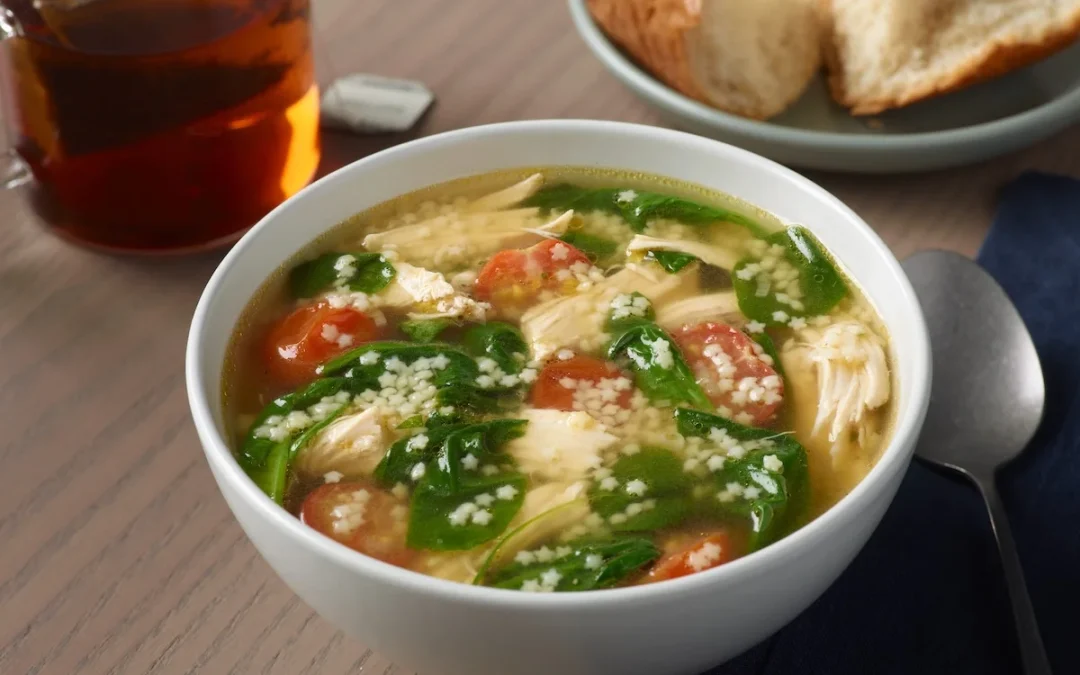
Simple Comfort Pastina proves that restraint still resonates
Flavor Trends, Strategies and Solutions for Menu Development[google_sidebar_ad adslug="2026-04-Surround-Barilla-320x50"...
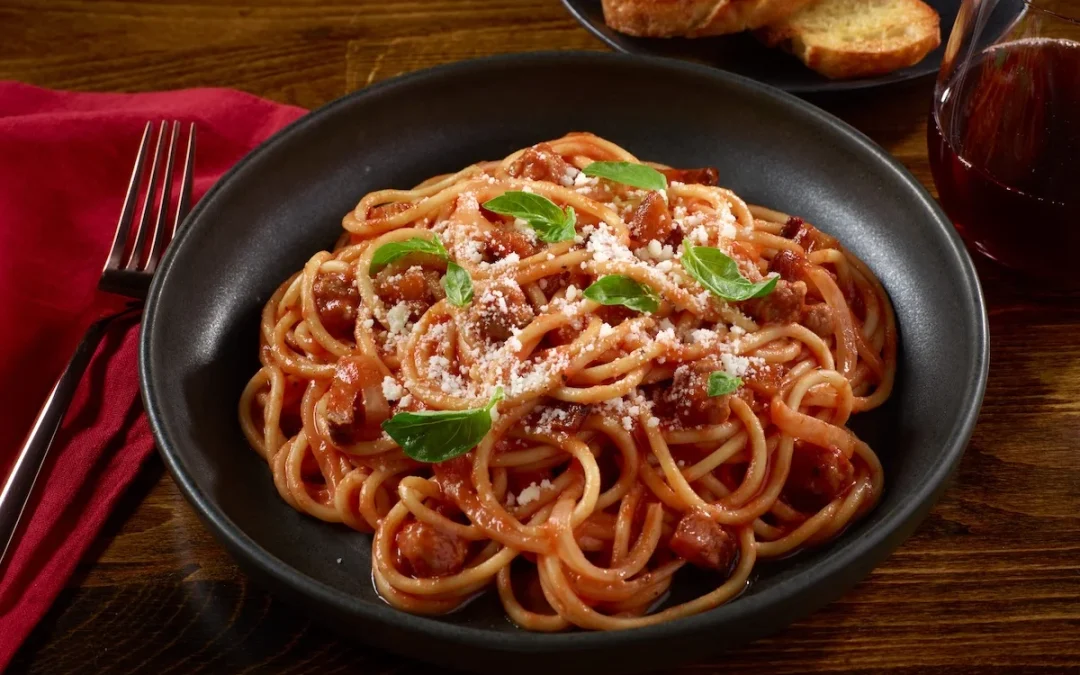
More Is More Alla Zozzona amplifies tradition into craveable indulgence
Flavor Trends, Strategies and Solutions for Menu Development[google_sidebar_ad adslug="2026-04-Surround-Barilla-320x50"...
