


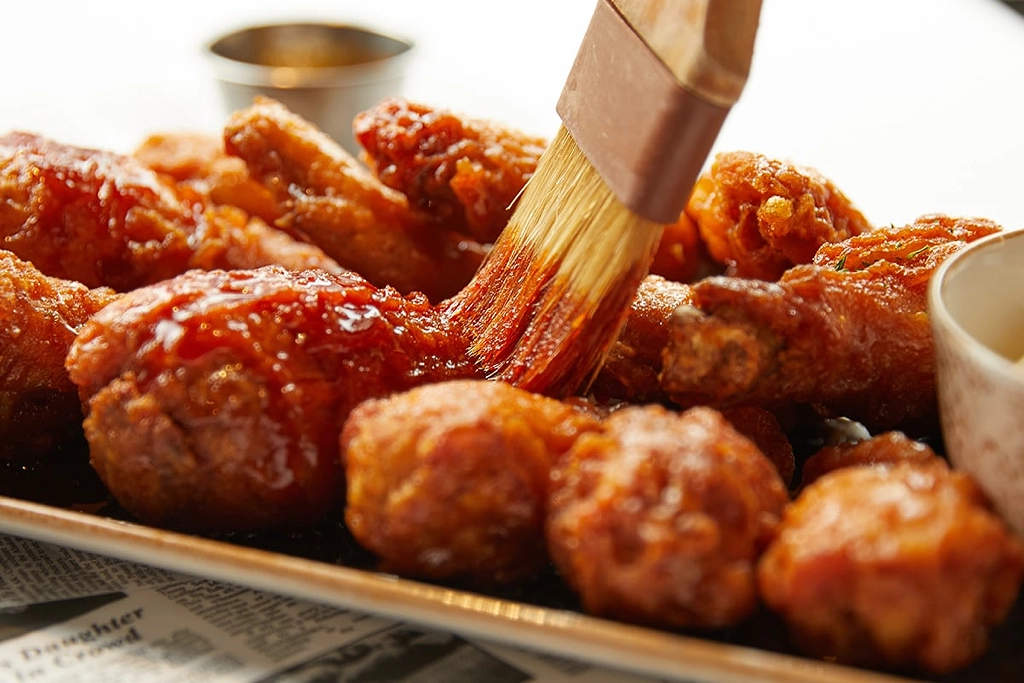
Chicken finds its ideal complement in Korean-inspired sauces at Bonchon, which can be drizzled on top, served on the side for dipping or brushed directly onto the tenders for extra flavor in every bite.
Credit: Bonchon
Signature Sauces—A Restaurant’s Calling Card
An easy, flavor-forward approach to menu innovation
“Sauces complete the experience of certain menu items,” says Kasey McDonald, head of culinary for the Wisconsin-based burger-and-custard institution Culver’s. “Let’s face it: Some things are meant to be dipped and need a sauce to complement them.” Plus, signature sauces can serve as a flavor calling card, distinguishing restaurants from their competitors.
Culver’s is not the only concept that sees sauces as an area ready for cost-efficient innovation, added consumer customization and the incorporation of specific regional flavors and ingredients. Across sectors, dayparts and cuisines, condiments are both essential and endlessly adjustable—and the secret to the sauce need never stay the same.
In the case of Pokeworks, a California-based, Hawaiian-inspired chain serving up poke bowls, salads and burritos, the sauce category is a core menu segment that remains open to frequent experimentation and fresh, global influence. Each sauce on the menu is crafted to achieve the perfect mixture of salt, fat, acid and umami, pulling flavors from the world over. Options such as Korean-inspired Sweet Chili Gochujang or the Chili Crisp sauce—the latter of which brings a numbing sensation by way of Sichuan peppercorns—encourage guests to fuse flavors and remix their favorite bowls and burritos.
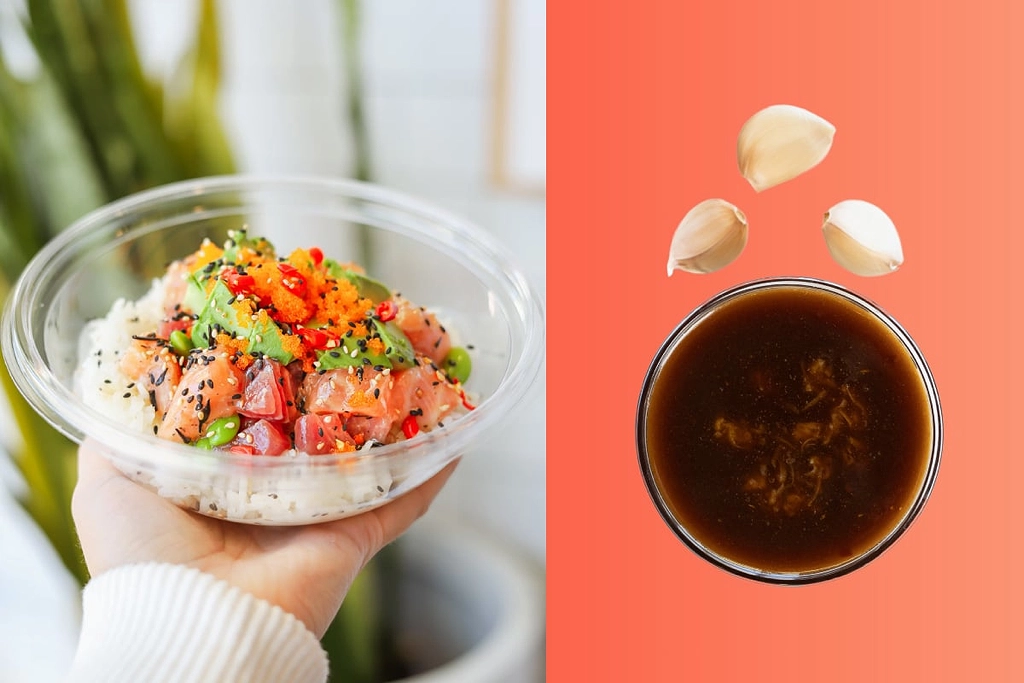 Credit: Pokeworks
 Pokeworks brings an extra layer of customization through an array of sauces, from Soy Garlic and OG Shoyu to Sweet chili Gochujang and Serrano Aïoli.
“Sauces are one of the most impactful yet cost-effective ways to introduce new flavors to a menu,” says Mike Wu, co-founder and head of culinary at Pokeworks. “They are the best lever to pull, allowing Pokeworks to bring bold, global flavor influences without overhauling the core menu. Plus, sauces give guests a reason to return, either because they’ve fallen in love with a signature sauce or they can’t wait to try another flavor.”
As shown by Pokeworks’ sauce strategy, condiments straddle the line between menu staple and endlessly riffable finishing touch. The brand offers a range of sauces that each perform different flavorful functions. For instance, umami-forward options such as Umami Shoyu deepen seafood’s natural freshness, while creamier condiments such as the Sriracha Aïoli complement spicy toppings like sliced Serrano peppers.
For Pokeworks, the perfect dish includes the perfect sauce, and the perfect sauce works in tandem both with core ingredients like marinated Ahi tuna or North Atlantic lobster and toppings such as savory, earthy Hijiki seaweed or bright, crispy watercress. The OG Shoyu Sauce, which blends oyster sauce and garlic with a touch of sweetness, was perfectly suited for the latter. “We specifically introduced the watercress topping with our OG Shoyu Sauce because it balances the flavors of the sauce through the peppery, spicy and mild bitterness of the watercress,” Wu says. “When a sauce is well-balanced, it enhances the food without overpowering it.”
For international Korean chicken chain Bonchon, condiments are similarly essential for a flavorful, balanced plate. Bonchon’s founder, Jinduk Seo, crafted the brand’s signature Korean fried chicken alongside its Soy Garlic and spicy sauces. These sauces are not meant for dipping or drizzling alone, but also for brushing directly onto the brand’s chicken. This application further differentiates Bonchon from other concepts in the fried chicken space and demonstrates the ways a sauce’s flavor profile and its implementation can help a brand eke out its own, unique niche.
According to CEO Suzie Tsai, Bonchon aims to keep its sauces simple yet dynamic, with the original Soy Garlic and Spicy Signature sauces comprising the core of the brand’s condiment options. For these, the brand takes inspiration from Korean staples, including bold and tangy kimchi and umami-packed bulgogi. Bonchon’s limited-time sauces, however, are informed by various Korean, Southeast Asian and American traditions, helping the brand communicate its range of global influences without straying too far from its Korean roots.
“Korean culinary traditions are essential to our condiment development because they provide a rich, authentic foundation,” Tsai explains. “However, we also want to innovate in a way that makes these flavors approachable and craveable for an American audience.”
This approach finds its expression in offerings such as Bonchon’s new Korean Mozzarella Potato Corn Dog. The brand’s take on a street food favorite grants consumers the ability to experiment with different flavor profiles, depending on the sauces they select. Combining gooey mozzarella, crispy breading and crunchy potato cubes, the corn dog can be ordered coated in the brand’s Soy Garlic sauce, or, for more adventurous customers, coated in cinnamon sugar for an unexpected, sweet-and-salty bite. Guests select from dipping sauces including Japanese-style mayo, spicy mayo, ranch, cucumber wasabi or bibimbap sauce to complete this rich snacking experience.
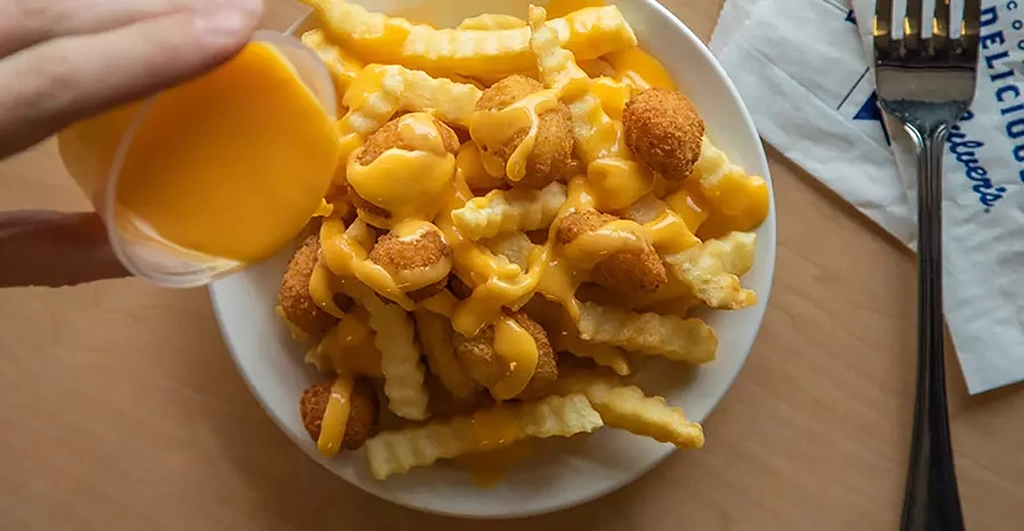
Whether drizzled atop fried cheese curds and fries or served as a chicken tender dipper, Culver’s iconic Wisconsin Cheddar Cheese sauce is a strong nod to its Midwestern roots.
Although global sauces are wowing U.S. consumers with novel ingredients, the category also presents an opportunity for American-fare brands to dig into hyper-regional flavors while also adding a global accent or two. For example, Culver’s pays homage to its Midwestern roots with its Wisconsin Cheddar Cheese sauce, a creamy, warm blend of fresh dairy and sharp cheddar cheese. Culver’s Signature sauce, on the other hand, incorporates worldly notes, combining buttermilk with Parmesan and blue cheese.
Culver’s is well-aware of consumers’ desire for a range of globally influenced sauces, and, as McDonald explains, core menu favorites are the perfect vehicles for condiments that push boundaries. “It’s much easier to try a new sauce when it’s paired with a classic that you know and love, like our Wisconsin cheese curds, chicken tenders or pretzel bites,” McDonald says. “Our guests want to try new condiments, including ones they’ve never considered before. And we love that it’s such a low-risk way to go on a new flavor journey.”
About the Author
 Rachel Pittman is a freelance writer based in Wilmington, N.C. She previously served as associate editor for FSR and QSR magazines; in this role, she cut her teeth on foodservice industry reportage. She writes on a variety of subjects, but is especially passionate about covering (and eating) delicious dishes and ingredients.Read More Stories by Rachel Pittman
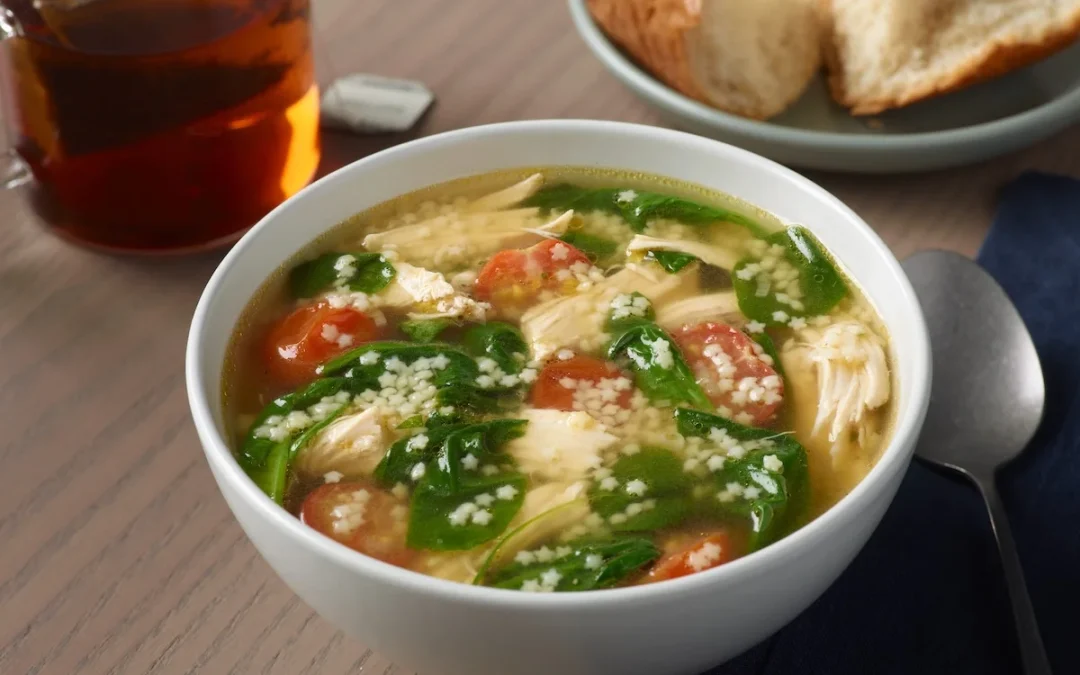
Simple Comfort Pastina proves that restraint still resonates
Flavor Trends, Strategies and Solutions for Menu Development[google_sidebar_ad adslug="2026-04-Surround-Barilla-320x50"...
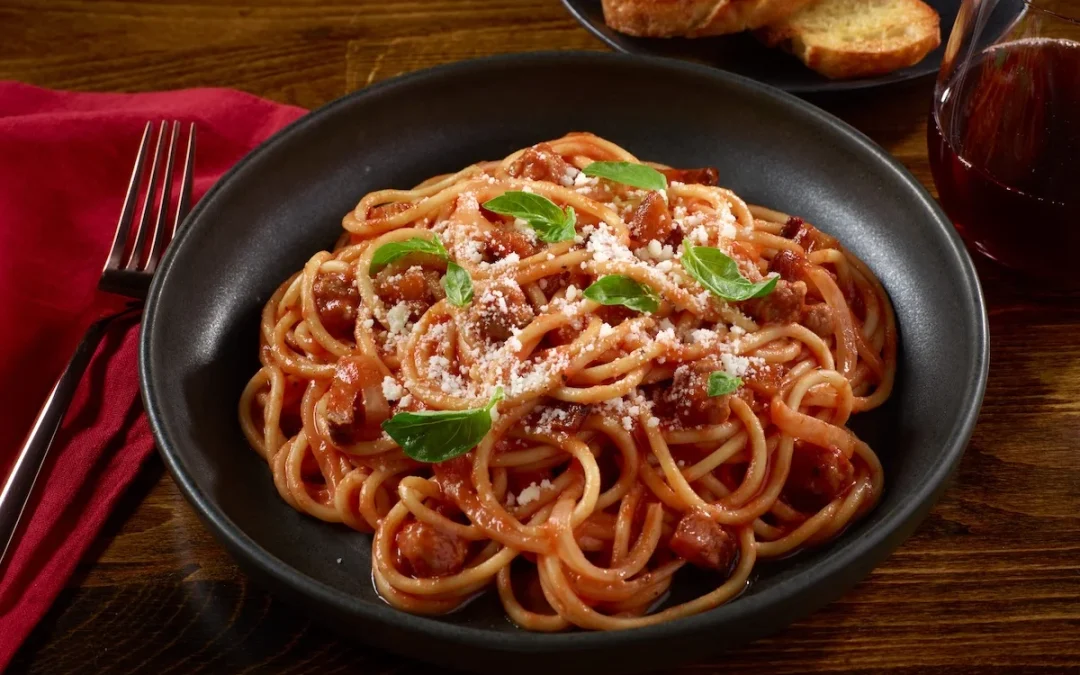
More Is More Alla Zozzona amplifies tradition into craveable indulgence
Flavor Trends, Strategies and Solutions for Menu Development[google_sidebar_ad adslug="2026-04-Surround-Barilla-320x50"...
Slow Craft Pasta alla Genovese channels time, memory and menu storytelling
Flavor Trends, Strategies and Solutions for Menu Development[google_sidebar_ad adslug="2026-04-Surround-Barilla-320x50"...
