


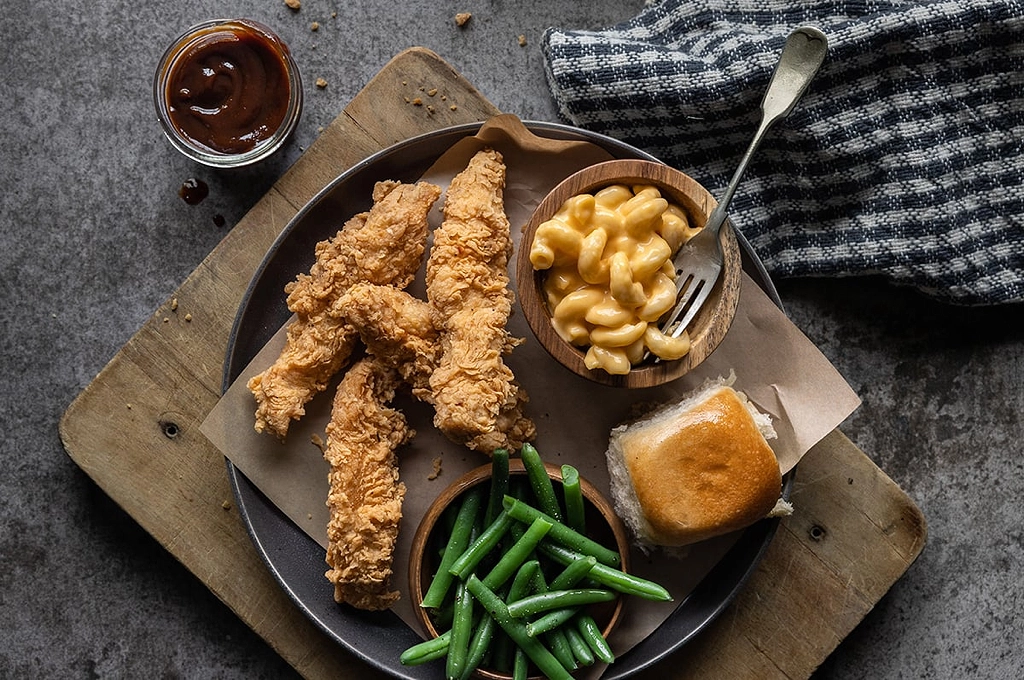
The new fried chicken tenders and wings not only expand Cowboy Chicken’s menu, they also help the brand cater to younger consumers and tap into the current enthusiasm around the fried chicken-dip combo.
Credit: Terri Glanger Photography
How Cowboy Chicken Stands Apart in a Crowded Category
Balancing artisanal and unhurried tradition with fresh energy
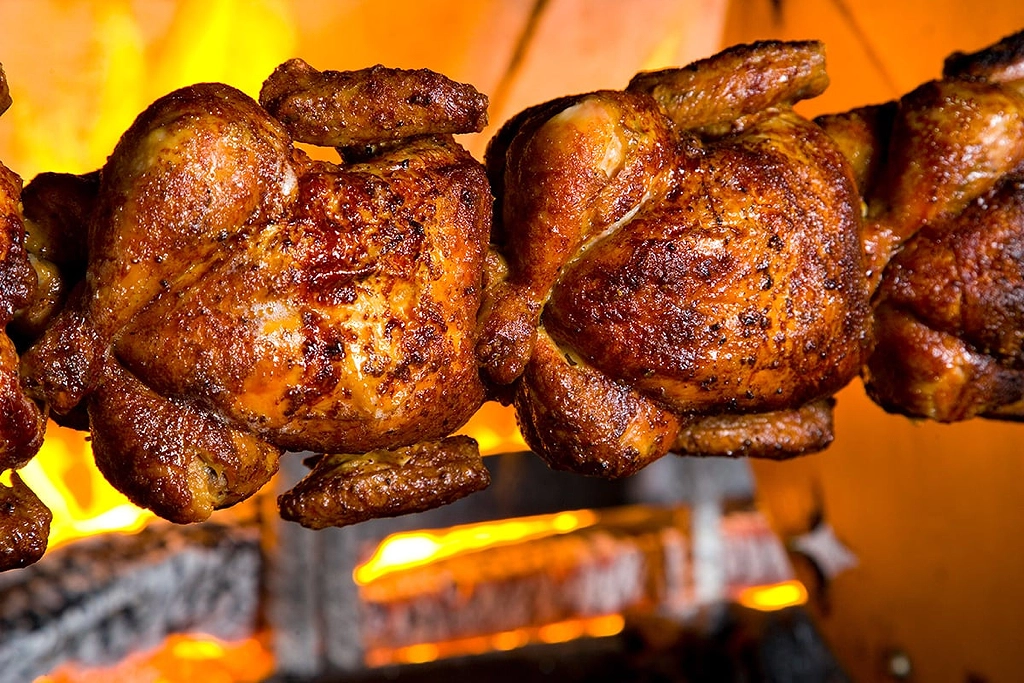
“Whether in Texas or elsewhere, cowboys have been cooking over an open flame for centuries,” says chief marketing officer Kim Jensen-Pitts. “For us, this wood-fired preparation is an art and a science— it’s a huge differentiator. The chicken is moist on the inside, but then there is an amazing crispy skin from the wood fire kissing the chicken.”
Although the hand-seasoned and wood-fired rotisserie method is a lengthy process—and one that requires employees to be properly trained on cooking over an open flame—the brand continues to champion the tradition perfected by its founder, Phil Sanders, back in 1981.
In an industry increasingly focused on speed and convenience, Cowboy Chicken has found a niche through embracing a cooking method that celebrates the artisanal and the unhurried. The 18 restaurants feature large windows through which guests can watch the chickens roasting on spits. Its menu is built around rotisserie chicken, offering plates of white- and dark-meat chicken and sides that riff on the classic “meat-and-three” tradition of the American South, fresh salads and bowls topped with the meat, and even pulled rotisserie chicken sandwiches and green-tomatillo-and-sour-cream rotisserie enchiladas.
 Credit: Cowboy Chicken
 From the start, Cowboy Chicken has differentiated itself from other players in the chicken category through its wood-fired, slow-roasting technique.
Jensen-Pitts points to the creative uses of the crispy, roasted skin from the rotisserie as evidence of the brand’s dedication to its slow-roasting methods. While customers who order a half- or quarter-chicken plate relish the skin on the chicken itself, Cowboy Chicken also uses this skin elsewhere on the menu, such as in place of bacon on the Laredo Sandwich. This sandwich combines the crunch of the roasted skin (“chicken cracklins”) with rotisserie chicken breast, tomato, guacamole, chipotle mayonnaise and melted cheese on a buttery brioche bun. The Laredo also illustrates Cowboy Chicken’s Texan culinary roots that pull inspiration from a host of what Jensen-Pitts refers to as “cowboy cultures,” from Tex-Mex cuisine to more traditional Mexican cooking to flavors of the American South.
“Our brand DNA centers around the tradition of cowboy culture—cowboy-style cooking, which to us means flavors of the American West and foods cooked over an open flame,” she says. “Still, there are some people who just do not like chicken on the bone. And we speak with and we listen to our guests—particularly our families with children who want fried chicken tenders.”
In spite of an emphasis on rotisserie, the Cowboy Chicken team is not averse to menu experimentation, even when it comes to other meats and modes of preparing them. Over the past decade, it has added brisket, fried chicken tenders and, most recently in 2024, fried wings. With the latter item, it initially aimed to stick to its rotisserie method and offer “rotissi-fried” chicken: tenders cooked over rotisserie, then battered and fried. This method was time-intensive, with lots of room for error. Changing tack, Cowboy Chicken simplified the process while retaining crucial flavor cues. The resulting fried chicken tenders and wings are hand-battered in flour mixed with the original secret spice rub before frying.
The new tender and wing section of the menu presented the opportunity to not only bring back a former menu item but to also tap into a hot trend. The brand had previously served a line of signature dipping sauces only to find that consumers preferred the juicy rotisserie meat on its own. But, the addition of tenders and wings has bolstered the sauces section, including a proprietary hot sauce (which guests can even buy by the bottle), a homemade ranch dressing with a bold, chipotle-pepper twist and other condiments.
 Credit: Cowboy Chicken
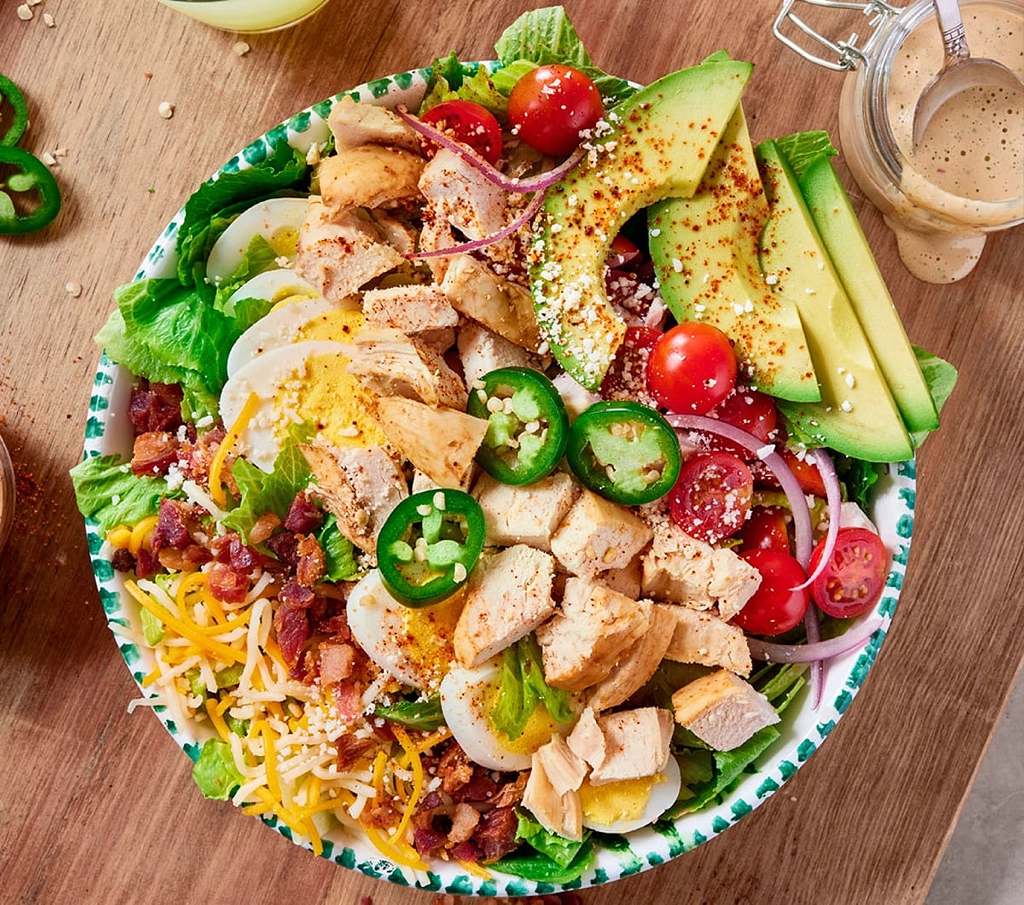
 Cowboy Chicken shows off its lighter side through seasonal LTOs like the Kickin’ Cobb, while still innovating through a “cowboy” culinary lens.
The current Cowboy Chicken menu offers diners the option to choose between tenders, wings, rotisserie chicken and brisket across an array of permanent applications and seasonal LTOs. For the 2025 summer season, it debuted two new salads. The Sonoran Salad tops chopped, crisp greens with cilantro lime-infused rotisserie chicken, pico de gallo, avocado, crunchy tortilla strips, Cowboy Dust seasoning and chipotle ranch, while the new Buffalo Chicken Salad tosses fried buffalo chicken tenders with greens, avocado, bacon bits, grape tomatoes and Monterey Jack cheese.
Jensen-Pitts reports that the brand also plans to reintroduce a taco LTO from 2023 next year, offering guests a taco platter with brisket and rotisserie and fried chicken tacos. Additionally, it’s looking into heartier bowl options to balance out the lighter, health-haloed bowls already on its menu. At present, the R&D team is experimenting with bowls that feature macaroni and cheese or mashed potatoes as a base.
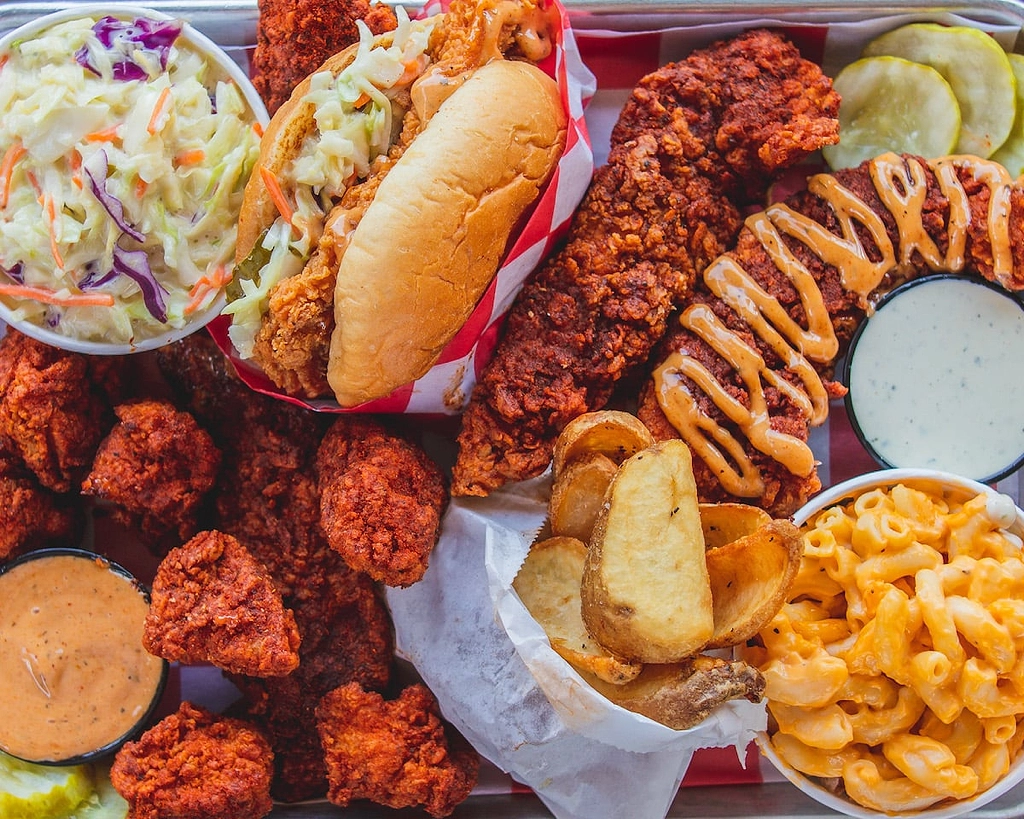
While this wave of F&B innovation has enriched the entire menu, the most groundbreaking update in recent years is almost certainly the creation of another menu entirely. Enter Smackbird, a virtual Nashville hot chicken brand that leverages the existing fryer setups and ingredients of Cowboy Chicken brick-and-mortars to serve sandwiches and tenders across a spectrum of heat, from NoSmack to HellSmack (the latter ultra-hot sauce comes packaged in a “challenge” meal complete with a complimentary container of milk).
 Credit: Cowboy Chicken
 Takeout-only virtual concept Smackbird leverages its sister brand’s equipment and space to explore a whole new segment of the chicken category.
“Cowboy Chicken needed to appeal to a younger demographic, and wings and tenders do that,” Jensen-Pitts says. “Smackbird is not necessarily something we’d host inside of Cowboy Chicken, but it’s another way to bring great chicken to a much younger audience.” Indeed, this ability to leverage tradition is key to its menu staying power, whether that tradition is communicated through cooking styles, classic Southern fare, like Nashville hot chicken, or the globally inspired flavors of “cowboy cooking,” such as Mexican street corn.
Case in point: Even as the brand preps to roll out tacos and perfects its new youth-focused virtual concept, Jensen-Pitts says that the menu item currently garnering much of the Cowboy Chicken team’s attention is the rotisserie turkey, a classic, wood-fired main offered annually beginning in early November. Preparing these birds is an undertaking that requires patience, a deep knowledge of wood-fired cooking techniques and a respect for the brand’s tradition. The turkeys are yet one more menu staple that demonstrates its commitment to balancing tried-and-true tastes with culinary experimentation.
“We still have the original chicken spice recipe and the original peach cobbler recipe from our founder Phil Sanders and his wife, Jeanette, on our menu,” Jensen-Pitts says. “We pay a lot of honor and respect to our founders, to our roots, and that’s what is informing our menu and our culture moving forward.”
About the Author
 Rachel Pittman is a freelance writer based in Wilmington, N.C. She previously served as associate editor for FSR and QSR magazines; in this role, she cut her teeth on foodservice industry reportage. She writes on a variety of subjects, but is especially passionate about covering (and eating) delicious dishes and ingredients.Read More Stories by Rachel Pittman
Simple Comfort Pastina proves that restraint still resonates
Flavor Trends, Strategies and Solutions for Menu Development[google_sidebar_ad adslug="2026-04-Surround-Barilla-320x50"...
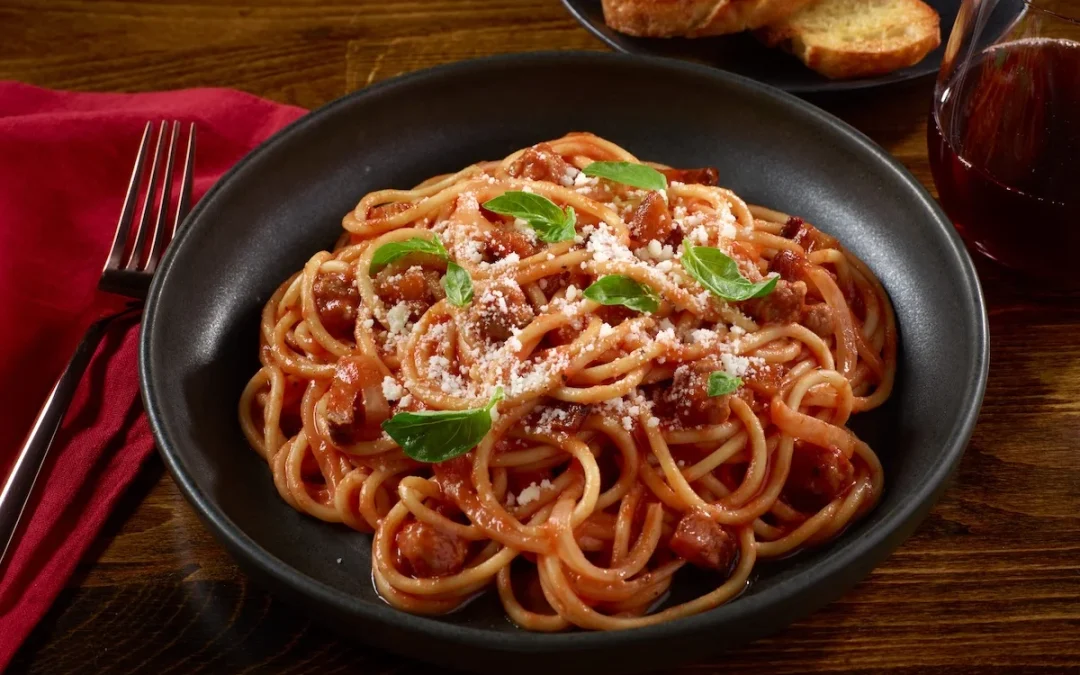
More Is More Alla Zozzona amplifies tradition into craveable indulgence
Flavor Trends, Strategies and Solutions for Menu Development[google_sidebar_ad adslug="2026-04-Surround-Barilla-320x50"...
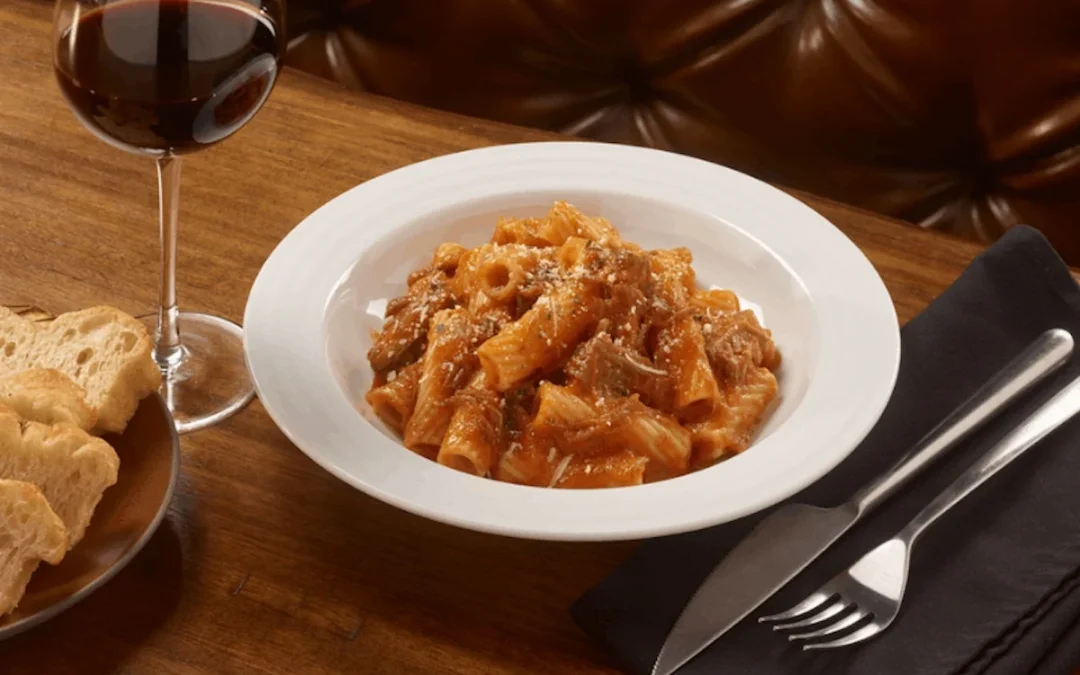
Slow Craft Pasta alla Genovese channels time, memory and menu storytelling
Flavor Trends, Strategies and Solutions for Menu Development[google_sidebar_ad adslug="2026-04-Surround-Barilla-320x50"...
