

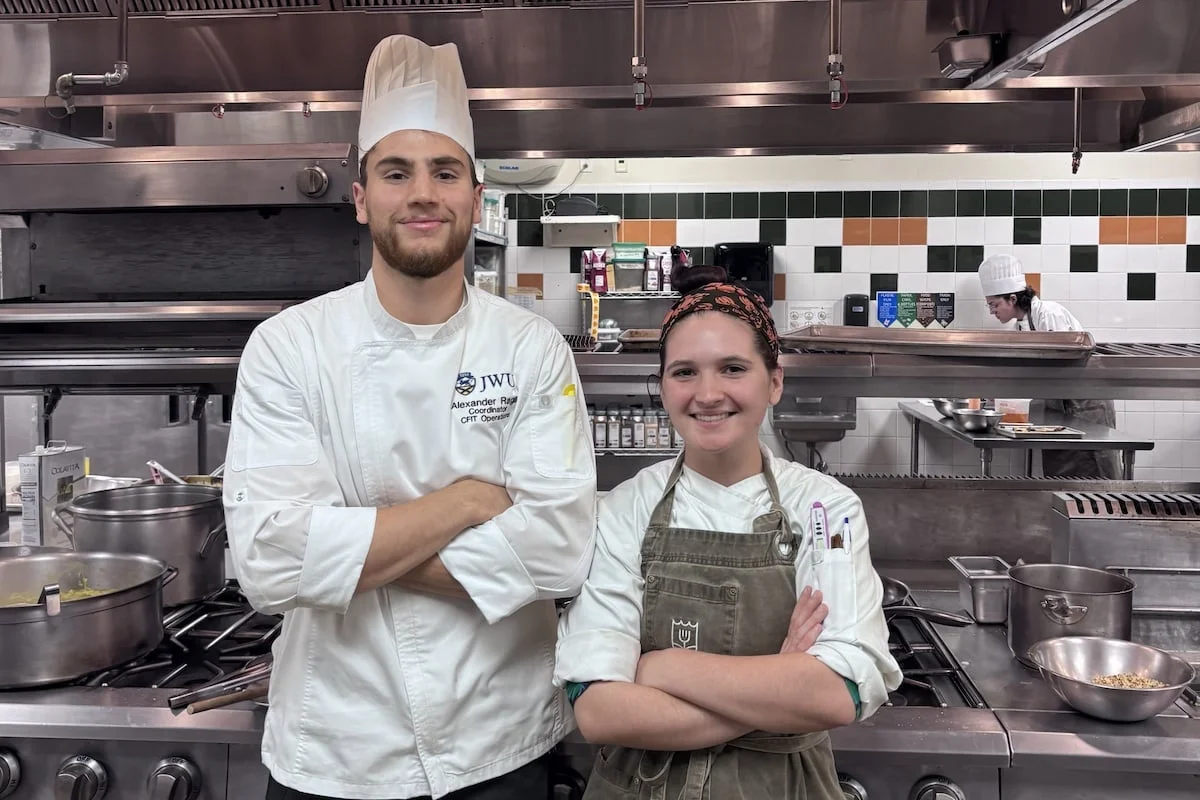
Writer Alexi Raglin (left) poses with JWU classmate and subject of his profile story, Erin Coykendall , whose studies marry culinary art with sustainability policy.
Generation Next: Fighting for Sustainable Food Systems
The future of food is evolving, one culinary student at a time
In addition to being a junior at JWU, she is also the sous chef at Dolores, home of James Beard Best Chef Northeast finalist Maria Meza, and one of the most celebrated restaurants Providence, R.I. A menu full of bright mariscos, rich and complex moles, sauces and stews highlight Meza’s deep appreciation for the sustainability of Mexican foodways. It’s also a living homage to the generations of Mexican farmers keeping the tradition alive: a homemade, nixtamalized heirloom corn tortilla. “To our customers, this is just a delicious tortilla. To me, it represents the importance of protecting heirloom varieties and biodiversity all over the world,” Coykendall says.
Despite this focus on creating incredible food, Coykendall’s ambitions reach far beyond the kitchen. A Sustainable Food Systems major, she has crafted her coursework to combine the technical training of a chef with the system-level knowledge of a food policy advocate. This multifaceted approach to her education reflects the experiences that led her to JWU in the first place.
Her mother operates an online candy shop, which prior to the Great Recession, included a storefront, too, and as a teenager, Coykendall dove into foodservice herself, working two restaurant jobs at once. Like many young women in the restaurant industry, she faced her fair share of difficult customers whose behavior ranged from weird and questionable to aggressive. But one day, she found herself far away from the host stand and in the heat of the kitchen. At the garde manger station, she set to work as a flurry of tickets poured out of the machine all night long. Exhausted but also ebullient, Coykendall was hooked, and throughout high school, Coykendall continued developing her passion and talent at a local sustainability-themed, zero waste restaurant.
It all began during her experience at a “hippie-like” summer camp where at the age of eight, Coykendall listened with great interest to a counselor explaining all the reasons why she was vegetarian. While many of the other campers her age struggled to decide between strawberry or grape jelly for their PB&J sandwich, Coykendall was resolute in her decision to become vegetarian. And so, upon leaving camp and returning home, Coykendall brought with her not only a change in everyday diet, but the beginnings of a remarkable shift in her entire “food” mindset.
Just two short years after her transformational summer camp experience, Coykendall’s family was blindsided by her father’s serious heart attack. Being a relatively healthy and fit man, this turn of events forced Coykandall and her family to take a closer look at the food they were eating. What was once casual involvement in gardening and local farmers markets turned into a magnifying glass on the preservatives, sweeteners, stabilizers, coloring agents and other food additives that went largely ignored before.
Coykendall’s commitment to food grew, as it now had something to do with the health of those closest to her.
Many years later, a new unforeseen opportunity nudged Coykendall in a different direction in her journey. The question of affordability left her unsure of whether she would be able to go to college. A traditional years-long slug through kitchen after kitchen seemed perhaps the only path to a food career for Coykendall. Then, “Johnson & Wales visited my high school and I felt so well taken care of, with tons of encouragement for completing scholarship applications and taking advanced classes.” Most importantly, she found an outlet for her relatively new love for environmental sciences and economics that would still keep her connected to food—JWU’s baccalaureate program in Sustainable Food Systems.
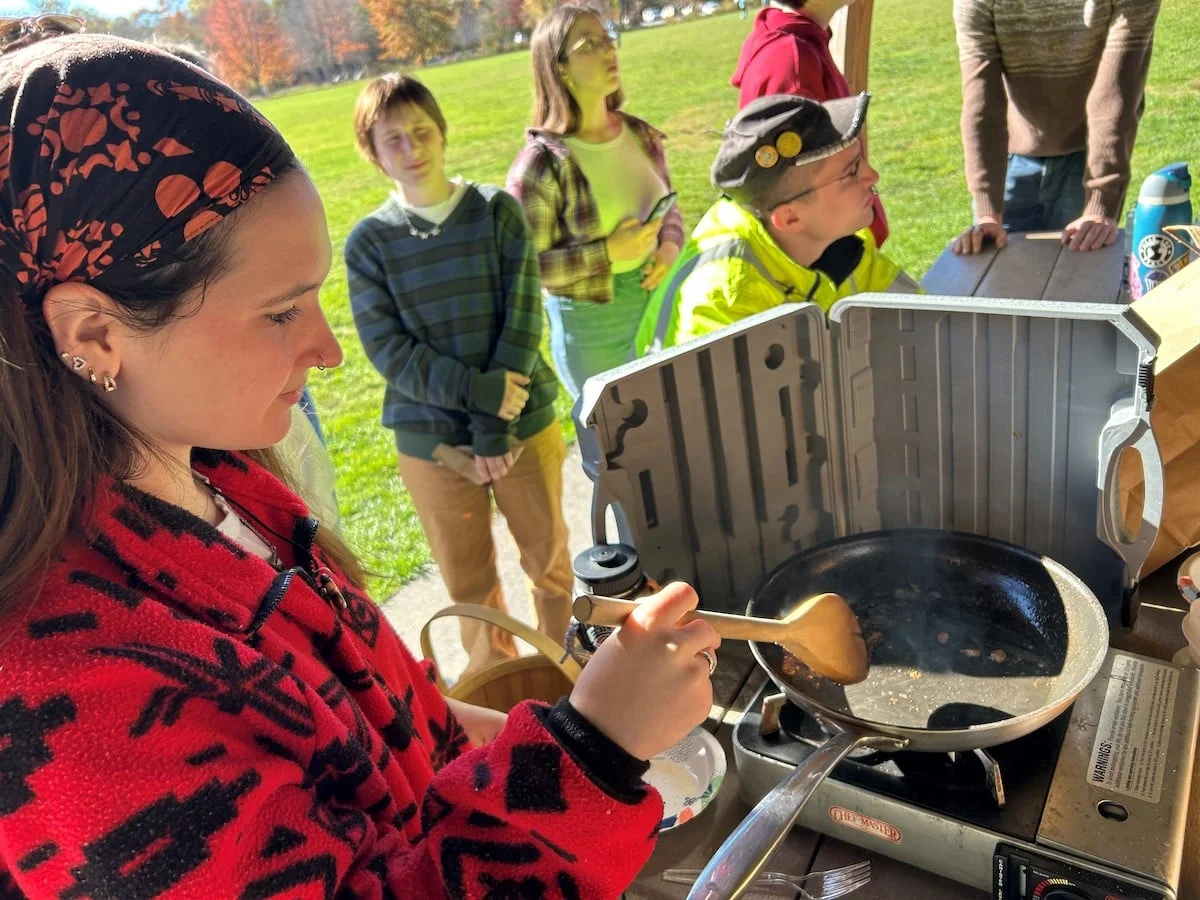
Coykendall
What made Coykendall most excited about her new culinary and educational journey wasn’t just the material in class or food she cooked in lab, but rather the people she was around. “It was so easy to relate to others who were as focused as I had become on nutritional literacy, food deserts and regenerative agriculture.” In short, she found her “crew” of fledgling chefs who dreamed of being agents of change in the food system.
Inspired as much by the supportive faculty and passionate students as she was, much of Coykendall’s drive came from memories of home. “I watched members of my community getting priced out of the neighborhood and family farms failing in droves. I want do something in my food career that honors the people and ecosystems we depend on for our food.”
At JWU, Coykendall quickly racked up an extensive list of community and campus involvements, serving as an employee of JWU’s Eco office and on the executive board of the Student Advocates Supporting Sustainability club, learning about community driven sustainability initiatives through firsthand leadership experience.
Outside of JWU, Coykendall has spent time in the fields of Westerly, Rhode Island’s Hillandale Farm getting her hands dirty and leading educational activities for visiting elementary and middle school students. “I’m always wondering if there’s more I can be doing, but I suppose that comes along with the urgency I feel about our food system and the ways it’s currently failing.”
This spring, Coykendall will leave JWU as the first enrollee of the recently introduced 3+3 program with Roger Williams University’s School of Law where she’ll earn her JD and complete her BS degree. “The law school path simply gives me more tools to help farmers and the larger food community thrive. The problems are so complex and seem to be growing every day: court decisions that stop far short of protecting people from the dangers of agrochemicals; chaotic international markets; consolidation and market power abuse in all facets of the food landscape; and the ‘politics at all costs’ approach” are just a few items that keep Coykendall committed.
When asked to reminisce on where she was five years ago, Coykendall shares that she “couldn’t have imagined” where she would be today. From the humble seed of a young cook, Coykendall, through the support of her peers, teachers, and unrelenting personal commitment, has flourished into a young and driven champion of change.
When looking ahead, Coykendall tells her future self to not only “be humble” but more importantly “don’t forget where you came from.” It is a phrase that stands out in the patchwork or Coykendall’s unique journey.
Whether it was her chance experience being thrown into the kitchen as a young teen, her early adoption of a vegetarian lifestyle, her unexpected shot to pursue a college education, or her father’s heart attack, for Coykendall, “a lot of it was fate. It’s my duty to do the work that I do.”
About the Author
 Alexi Raglin holds a B.S. in Sustainable Food Systems from Johnson & Wales University, where he has continued his studies as an M.B.A student. He also works full-time at the College of Food Innovation & Technology as a graduate operations coordinator.Read More Stories by Alexi Raglin

Rip, Tear and Pull-Apart Breads Menuing four fun, interactive styles
Flavor Trends, Strategies and Solutions for Menu Development[google_sidebar_ad adslug="2026-04-Surround-Kens-320x50"...
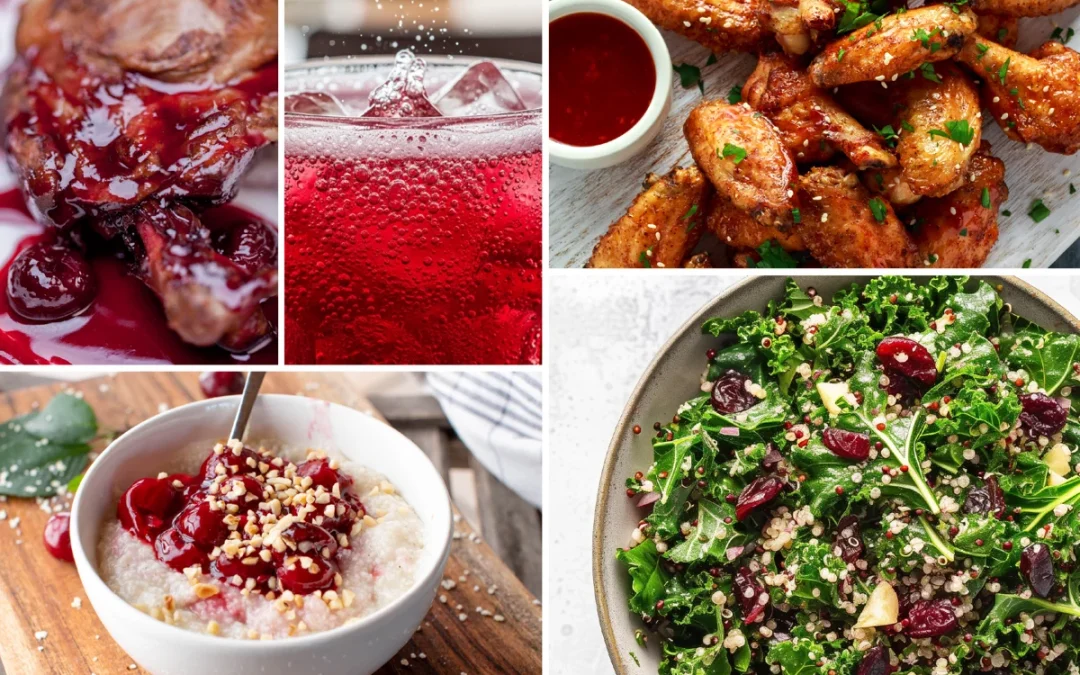
Tart Cherries Make Flavor Magic Reimagine ways to put their power of sour to work in modern menu development
Flavor Trends, Strategies and Solutions for Menu Development[google_sidebar_ad...
Spread a Little Indulgence Clean-label nut butters deliver dairy-free creaminess with a naturally premium read
Flavor Trends, Strategies and Solutions for Menu Development[google_sidebar_ad adslug="2026-05-Surround-Puratos-320x50"...
