
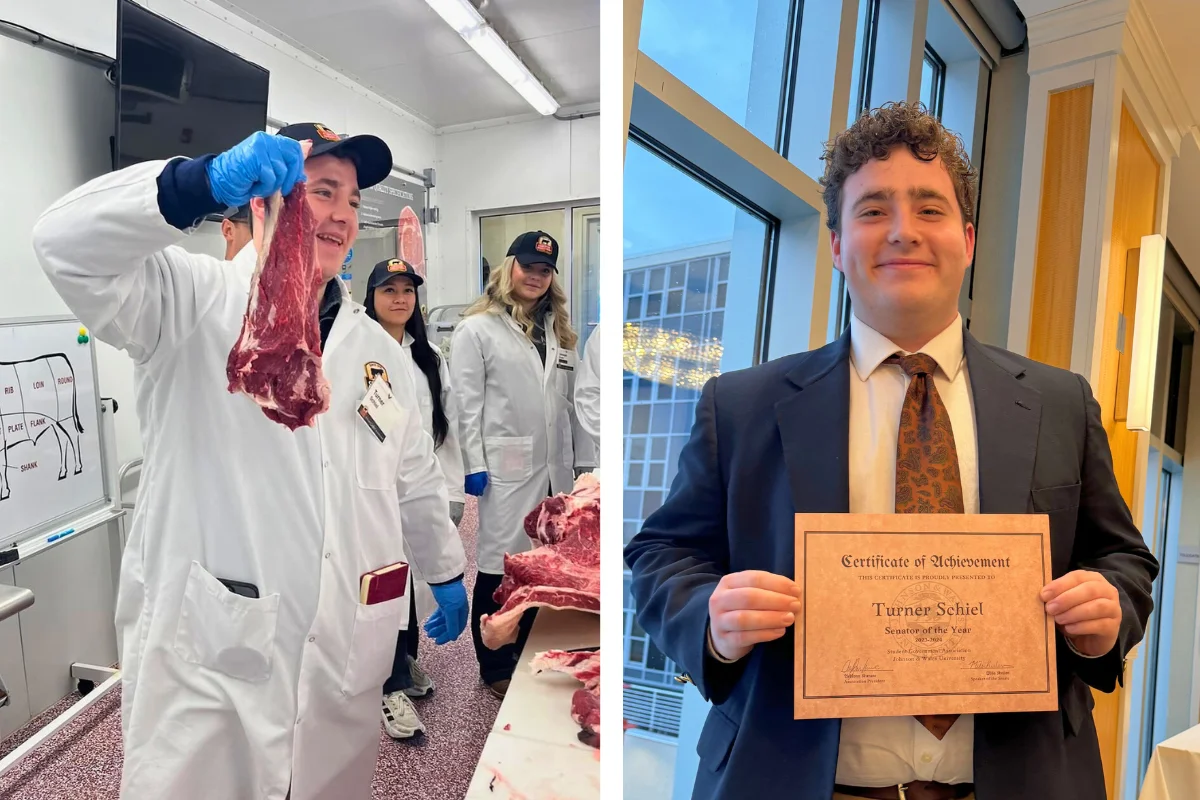
Growing up on a farm gave Turner Schiel an early understanding of food sourcing and processing—a knowledge base that has been expanded and contextualized through his food science studies at Johnson & Wales.
Generation Next: From Cattle Ranch to Culinary Lab
The future of food is evolving, one culinary student at a time
Growing up on a small cattle ranch in Texas, Turner Schiel didn’t always see himself becoming a food scientist. “Like most kids who grew up on farms and ranches, I assumed I would be a veterinarian, but I soon realized that I didn’t want to go into that profession,” he says. The pandemic pointed him in a new direction, and the kitchen became his classroom. Now, as a senior at Johnson & Wales University (JWU), Schiel is preparing to graduate with a degree in Culinary Science and Product Development after only three years. And already, he’s making strides toward redefining the industry’s approach to health, convenience and innovation.
Schiel’s culinary identity is deeply influenced by his Cajun and Texan heritage—and a mother who believed in cooking from scratch. He also learned about raising cattle on the family’s ranch, granting him a foundational understanding of food sourcing that few have at such an early age. “I was always around the process of growing beef,” he recalls. “JWU provided me with the context of meat processing.”
But it wasn’t until his freshman year of high school, during the pandemic, that the spark really ignited. Quarantined with his family, Schiel began cooking nightly dinners as part of a school project on budgeting and meal planning. He loved the challenge. After completing the project, he continued to cook dinner for his family almost every night for three years. “It became a way to bring everyone together,” he says. That summer, he helped launch a student cooking club and realized that food could be more than a hobby. It could be a calling.
At JWU, he found a place where his curiosity and work ethic could thrive. He immersed himself in student life, serving as secretary in student government, leading alumni relations and academics for Theta Delta Chi fraternity and representing Order of Omega (a leadership society for undergraduates) as public relations officer. For all three years, he volunteered with Wildcat Food Rescue, a student-run initiative that collects unused food from dining halls and labs and repackages it for redistribution.
His part-time job at JWU’s Energy Conservation Office gave him a different lens into operations and resource management—skills he now sees as essential to sustainable food innovation.
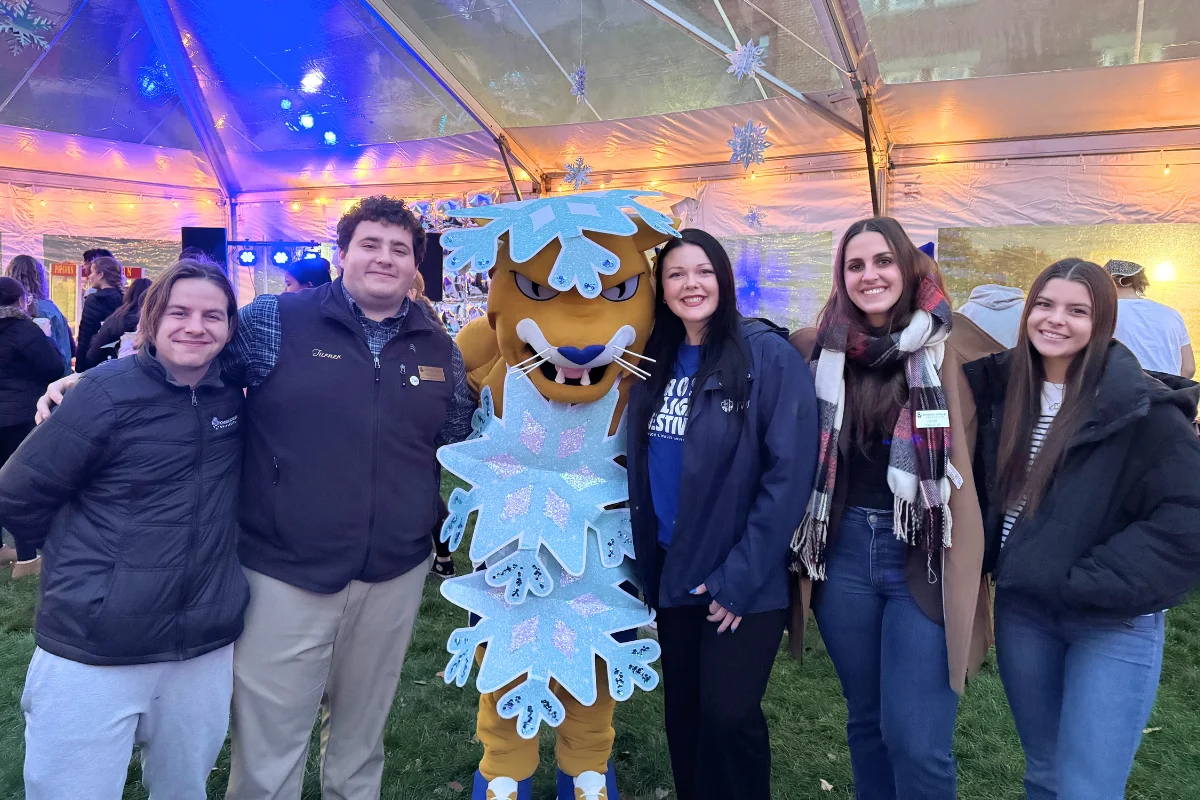
From holding leadership roles in various student organizations to volunteering with Wildcat Food Rescue, Schiel has been an engaged member of the JWU community.
In the classroom and lab, Schiel credits a few key mentors for shaping his confidence and direction. “Chef Joseph Melanson pushed me to be creative in both taste and aesthetics while also focusing on technique and the fundamentals of a dish,” he says. “While Professor Lynn Tripp nurtured my curiosity around product development and always allowed me to ask the dumb question.”
Another important voice was Ted McCall, who gave Schiel advice he carries into every project: “Don’t worry about making it perfect the first time,” he recalls, “just do the work, go back, fix it and make it something you’re proud of.”
His capstone project showcases his blend of technique, curiosity and purpose. He’s developing a frozen green mole chicken empanada designed for GLP-1 consumers, who seek high-protein, high-fiber, low-calorie foods that are both convenient and satisfying. The end result is a nutritious, handheld meal that doesn’t sacrifice cultural integrity or flavor. “I started with the traditional green mole,” he explains, “then adapted the recipe to meet nutritional targets, without losing the essence of the dish.”
Along the way, he tackled real-world challenges such as sauce leakage during baking and protein optimization. He also analyzed how the product would perform in the market. “I want to create foods that people are excited to eat but also serve a real need,” he says. “It’s about convenience without compromise.”
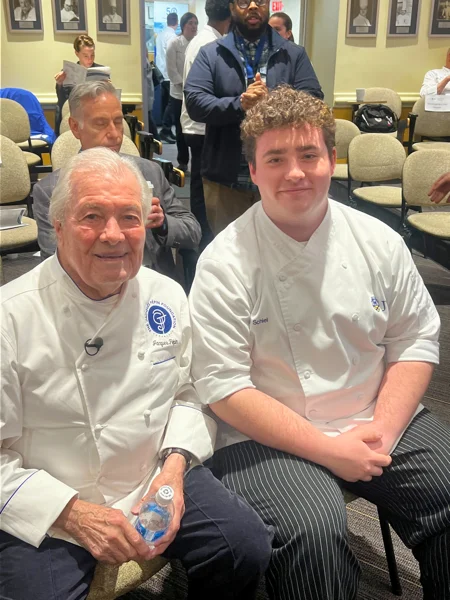
Schiel meets the legendary Chef Jacques Pépin.
For Schiel, culinary science isn’t just about flavor; it’s about solving problems. One of his big questions: How do we make nutritious food more affordable and accessible? He sees opportunities to transform underutilized meat cuts and to reimagine shelf-stable foods.
“I’d love to redesign canned vegetables, especially green beans,” he says with a grin. “They can be so much better. I don’t want to take away the convenience, but there’s a way to improve taste, texture and appearance. It just takes some innovation.”
His upcoming internship at Wolverine Packing Company in Detroit will deepen his understanding of the meat industry and give him practical experience in product development and meat science—two areas where he’s eager to make a long-term impact.
Schiel’s work ethic and commitment to education can be traced back to his family. His father returned to school later in life to earn a master’s degree, and he’s slated to graduate with his Ph.D. just one week after his son. Meanwhile, Schiel’s mother runs a successful laser-engraving business that grew from a local shop to a national wholesale brand.
“My parents taught me to stay humble,” he says. “There’s always someone working as hard as you. That doesn’t mean you’re the best; it means there’s more to learn.”
It’s a philosophy Schiel carries with him in the lab, the kitchen and wherever his career will lead him. He’s not chasing titles; he’s chasing purpose. Whether it’s improving canned vegetables, developing functional foods or creating meals that spark joy for consumers, he wants his work to mean something.
“Success right now is becoming the best version of myself, learning everything I can and doing something that helps people,” he reflects. “Because I want to do better for others.”
About the Author

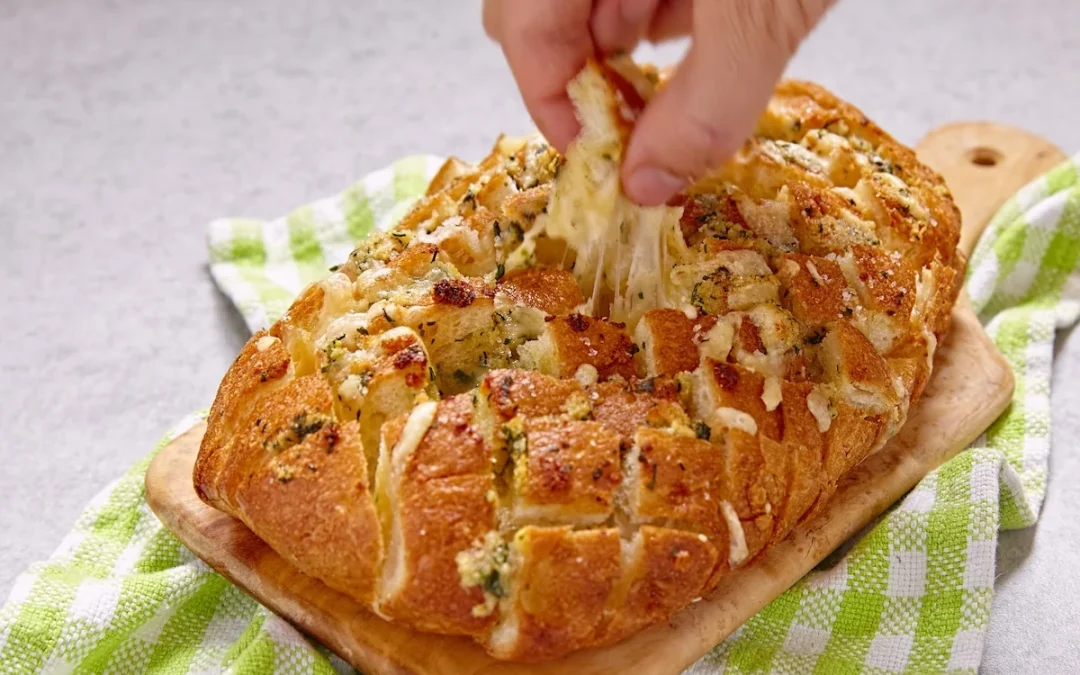
Rip, Tear and Pull-Apart Breads Menuing four fun, interactive styles
Flavor Trends, Strategies and Solutions for Menu Development[google_sidebar_ad adslug="2026-04-Surround-Kens-320x50"...
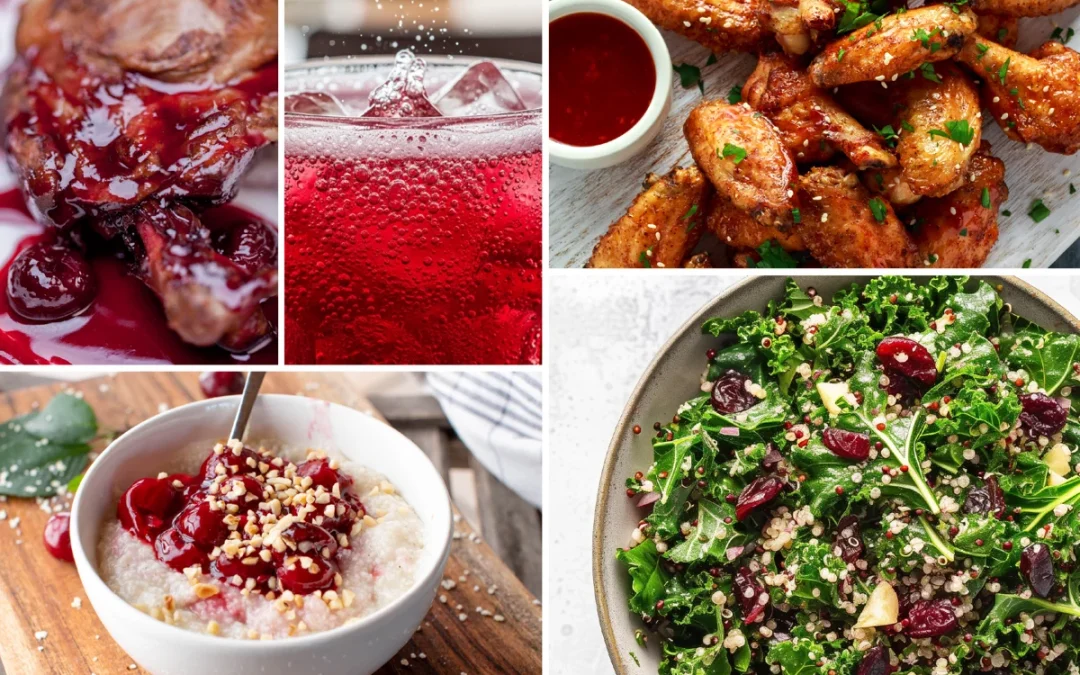
Tart Cherries Make Flavor Magic Reimagine ways to put their power of sour to work in modern menu development
Flavor Trends, Strategies and Solutions for Menu Development[google_sidebar_ad...
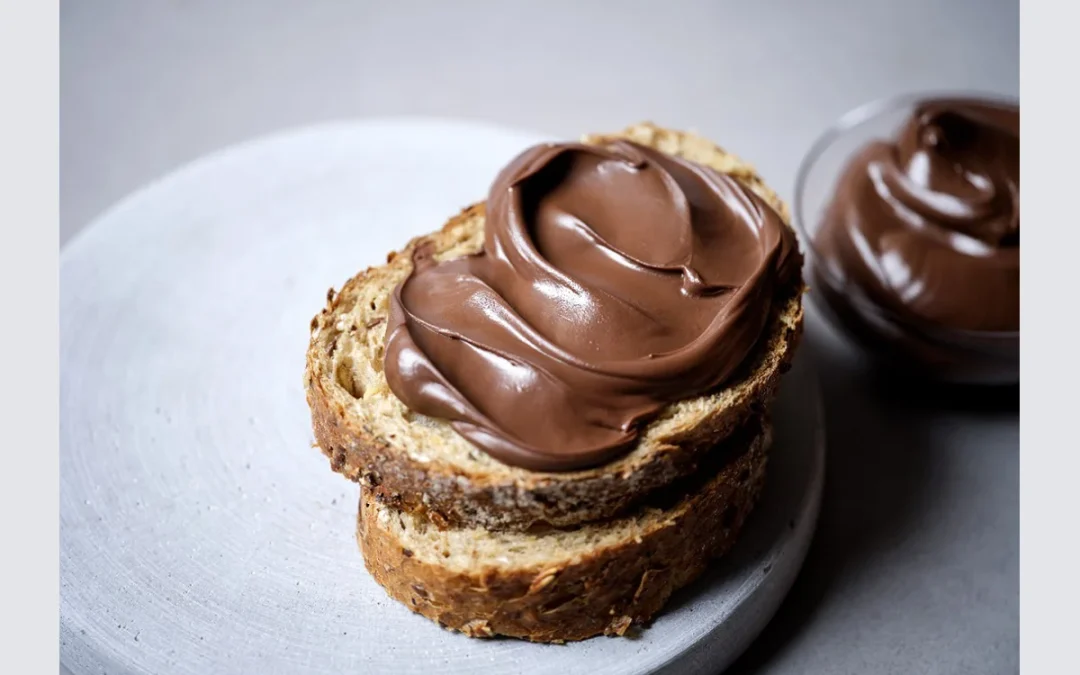
Spread a Little Indulgence Clean-label nut butters deliver dairy-free creaminess with a naturally premium read
Flavor Trends, Strategies and Solutions for Menu Development[google_sidebar_ad adslug="2026-05-Surround-Puratos-320x50"...
