
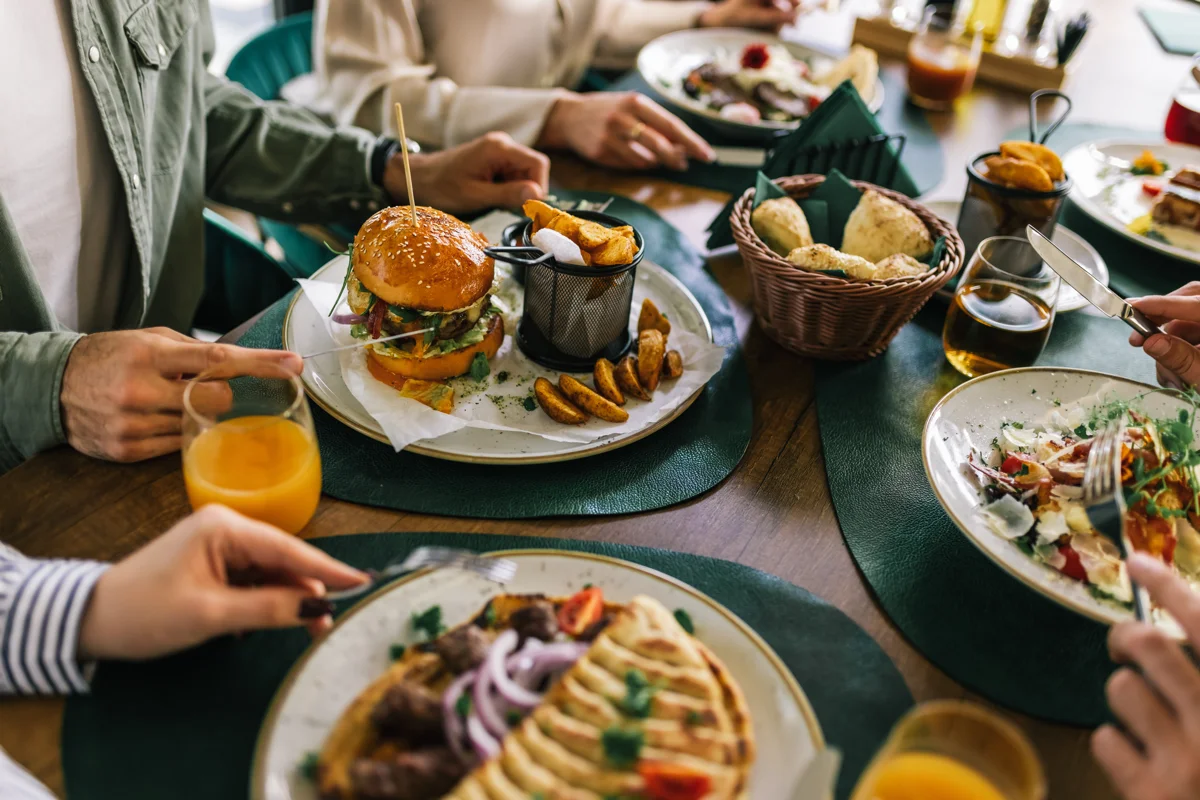
Smaller portion sizes, sauce-forward proteins and macronutrients are top of mind for 2026.
8 Predictions for 2026
Operators weigh in on the year ahead
What new ingredients, emerging cuisines and fresh flavor combinations will 2026 bring? We asked F&B leaders at six brands to share their take on what’s coming down the pipeline. The predictions range from flavors (layered heat and regional citrus) to health (nutrient-dense foods and smaller portions) to operational efficiencies (fewer SKUs and value-driven options) and more.
Only time will tell which trends define the year ahead, but if anyone can predict the future of F&B, it’s the innovators who continue to drive the industry forward.
1Flavor-First, Layered Heat
Spice/heat might not be a traditional taste, but it carries just as much weight. And as with all trends, familiarity eventually breeds innovation. The prevalence of hot honey, Sriracha, chile crisp, pepper and peppercorn varieties has primed consumers for more sophisticated heat that relies less on shock factor and more on nuance.
“Flavor-first, layered heat will level up spicy food. Diners will favor layered heat, where chiles bring citrus, fruit, smoke or savoriness, over blunt “face-melting” spice.” —Katy Velazquez
2Trim the SKUs
Although novelty ingredients can jazz up permanent and limited-time items, too many can quickly drive up costs and place an operational burden on the back of house. Instead of introducing several new SKUs, optimize the existing ones, choose high-impact ingredients and make sure each ingredient can play across multiple dishes.
“‘Less is more’ will be an emphasis when leaning into the menu trends. Menu development will be more targeted and focused by featuring simple yet expertly crafted menu items. Gone are the over-the-top, five-plus SKU LTOs.” —Jessica Bograd
3#Fibermaxxing and Nutrient Density
There’s a reason this hashtag is trending. With numerous scientific studies declaring a fiber-rich diet to be a health boon rather than a fad, consumers are seeking out whole-food options, from fruits and veggies to whole-grain breads and legumes, that deliver this essential nutrient. This is especially true among GLP-1 users who crave macronutrients.
“I’m going to have to say fiber due to the increasing popularity of GLP-1s. Also, toast! I feel like loaded toasts are starting to pop up on more and more menus.” —Amanda Daily
“Meeting macros requires real nutrient density. Health-conscious guests will look beyond protein alone to fiber and overall nutrient density.” —Katy Velazquez
4Extra Care Into Core Items
The old adage that you can’t be all things to all people has never faltered in its wisdom, but in the face of mounting economic pressure, it’s even more salient. Unless an extensive menu is integral to a brand’s identity (see: The Cheesecake Factory), zeroing in on signature offerings and spotlighting quality indicators remind guests of why they love the brand.
“Enhanced core menu focus takes you back to the craft of what got you there and curates an experience around your signature item. I think there is going to be some very specific attention to detail put into the quality and care of the core menu items. Focus on premium proteins, not just the cut, but where it’s sourced; if it’s fresh, never-frozen; its total protein content; etc.” —Jessica Bograd
5Protein Glow-Ups
Whether animal- or plant-based, proteins have a stronghold on menus and consumer minds, again, thanks in part to the rise of GLP-1s. To keep things interesting, operators are experimenting with plus-ones to boost flavor and present familiar proteins in a new light. These supporting players—spices, condiments, glazes, sauces, etc.—can also be applied to different menu offerings to maximize SKUs and spotlight featured flavors and/or ingredients.
“We’re leaning into alternative proteins (less expensive) for LTOs, with bold flavors such as Korean, Mexican, Mediterranean and Southeast Asian.” —David Cox
“Sauce-forward proteins will be the big differentiator in fast casual. Fast-casual guests increasingly want proteins cooked in distinctive sauces or marinades, not plain meat with toppings added after, and that approach also makes the line more efficient and consistent at scale.” —Katy Velazquez
6Opposites Attract
Like so many things, F&B trends are a pendulum, swinging between extremes—just look to how the pre-pandemic health kick ceded to extra indulgence amid lockdown. But while two trends may seem diametrically opposed, they can coexist-and in some cases, complement each other. Gen Z and Gen Alpha, who grew up immersed in foodie culture, embody this paradox: They seek novel dining experiencing but also crave all things retro. As their spending power continues to grow, so too will F&B marriages of opposites.
“My predictions: indulgent and guilt-free foods; health-conscious comfort cooking; quick meals with smaller portions.” —Maria Gelastopoulos
“Given what the economy is expected to do in 2026 paired with how younger audiences are approaching food, I’m predicting we’ll see a rise in comfort foods with an adventurous twist.” —Marshall Scarborough
7Exceptional Hospitality
Hospitality never goes out of style but in times of market uncertainty and tighter wallets, it can be just as important as affordability and quality. Even for limited-service concepts with lower dine-in traffic, human interactions and the overall atmosphere should be prioritized.
“Curating a stellar/memorable dining experience is back in full swing finally. While traffic is down, the dollar that is being spent will be spent wisely. Restaurants need to be at the top of their game to provide a quality dining experience (whether dining in or walking in for pick-up/to-go) to get guests coming back for repeat visits. Owning and enforcing the hospitality experience will be a make-or-break for some brands.” —Jessica Bograd
“I think we’ll see quick serves doubling down on ways to innovate the customer-value proposition. The silver lining for the customer is that when they face tough times, it forces us to find exciting new ways to bring them into our restaurants.”—Marshall Scarborough
8Hyper Local, High Impact
In the past decade alone, consumers have become much better versed in global cuisines and even some regional variations, such as differentiating Thai from Laotian within Southeast Asian cuisine or Turkish from Greek within Eastern Mediterranean fare. The next phase of this international flavor journey will zoom into hyper-local ingredients.
“Niche flavors with clear cultural roots will continue to go mainstream. Regional Mexican flavors and techniques, from smoky central profiles to bright coastal and Yucatán citrus notes, will show up in familiar, highly approachable formats.” —Katy Velazquez
What new ingredients, emerging cuisines and fresh flavor combinations will 2026 bring? We asked F&B leaders at six brands to share their take on what’s coming down the pipeline. The predictions range from flavors (layered heat and regional citrus) to health (nutrient-dense foods and smaller portions) to operational efficiencies (fewer SKUs and value-driven options) and more.
Only time will tell which trends define the year ahead, but if anyone can predict the future of F&B, it’s the innovators who continue to drive the industry forward.
1Flavor-First, Layered Heat
Spice/heat might not be a traditional taste, but it carries just as much weight. And as with all trends, familiarity eventually breeds innovation. The prevalence of hot honey, Sriracha, chile crisp, pepper and peppercorn varieties has primed consumers for more sophisticated heat that relies less on shock factor and more on nuance.
“Flavor-first, layered heat will level up spicy food. Diners will favor layered heat, where chiles bring citrus, fruit, smoke or savoriness, over blunt “face-melting” spice.” —Katy Velazquez
2Trim the SKUs
Although novelty ingredients can jazz up permanent and limited-time items, too many can quickly drive up costs and place an operational burden on the back of house. Instead of introducing several new SKUs, optimize the existing ones, choose high-impact ingredients and make sure each ingredient can play across multiple dishes.
“‘Less is more’ will be an emphasis when leaning into the menu trends. Menu development will be more targeted and focused by featuring simple yet expertly crafted menu items. Gone are the over-the-top, five-plus SKU LTOs.” —Jessica Bograd
3#Fibermaxxing and Nutrient Density
There’s a reason this hashtag is trending. With numerous scientific studies declaring a fiber-rich diet to be a health boon rather than a fad, consumers are seeking out whole-food options, from fruits and veggies to whole-grain breads and legumes, that deliver this essential nutrient. This is especially true among GLP-1 users who crave macronutrients.
“I’m going to have to say fiber due to the increasing popularity of GLP-1s. Also, toast! I feel like loaded toasts are starting to pop up on more and more menus.” —Amanda Daily
“Meeting macros requires real nutrient density. Health-conscious guests will look beyond protein alone to fiber and overall nutrient density.” —Katy Velazquez
4Extra Care Into Core Items
The old adage that you can’t be all things to all people has never faltered in its wisdom, but in the face of mounting economic pressure, it’s even more salient. Unless an extensive menu is integral to a brand’s identity (see: The Cheesecake Factory), zeroing in on signature offerings and spotlighting quality indicators remind guests of why they love the brand.
“Enhanced core menu focus takes you back to the craft of what got you there and curates an experience around your signature item. I think there is going to be some very specific attention to detail put into the quality and care of the core menu items. Focus on premium proteins, not just the cut, but where it’s sourced; if it’s fresh, never-frozen; its total protein content; etc.” —Jessica Bograd
5Protein Glow-Ups
Whether animal- or plant-based, proteins have a stronghold on menus and consumer minds, again, thanks in part to the rise of GLP-1s. To keep things interesting, operators are experimenting with plus-ones to boost flavor and present familiar proteins in a new light. These supporting players—spices, condiments, glazes, sauces, etc.—can also be applied to different menu offerings to maximize SKUs and spotlight featured flavors and/or ingredients.
“We’re leaning into alternative proteins (less expensive) for LTOs, with bold flavors such as Korean, Mexican, Mediterranean and Southeast Asian.” —David Cox
“Sauce-forward proteins will be the big differentiator in fast casual. Fast-casual guests increasingly want proteins cooked in distinctive sauces or marinades, not plain meat with toppings added after, and that approach also makes the line more efficient and consistent at scale.” —Katy Velazquez
6Opposites Attract
Like so many things, F&B trends are a pendulum, swinging between extremes—just look to how the pre-pandemic health kick ceded to extra indulgence amid lockdown. But while two trends may seem diametrically opposed, they can coexist-and in some cases, complement each other. Gen Z and Gen Alpha, who grew up immersed in foodie culture, embody this paradox: They seek novel dining experiencing but also crave all things retro. As their spending power continues to grow, so too will F&B marriages of opposites.
“My predictions: indulgent and guilt-free foods; health-conscious comfort cooking; quick meals with smaller portions.” —Maria Gelastopoulos
“Given what the economy is expected to do in 2026 paired with how younger audiences are approaching food, I’m predicting we’ll see a rise in comfort foods with an adventurous twist.” —Marshall Scarborough
Hospitality never goes out of style but in times of market uncertainty and tighter wallets, it can be just as important as affordability and quality. Even for limited-service concepts with lower dine-in traffic, human interactions and the overall atmosphere should be prioritized. “Curating a stellar/memorable dining experience is back in full swing finally. While traffic is down, the dollar that is being spent will be spent wisely. Restaurants need to be at the top of their game to provide a quality dining experience (whether dining in or walking in for pick-up/to-go) to get guests coming back for repeat visits. Owning and enforcing the hospitality experience will be a make-or-break for some brands.” —Jessica Bograd “I think we’ll see quick serves doubling down on ways to innovate the customer-value proposition. The silver lining for the customer is that when they face tough times, it forces us to find exciting new ways to bring them into our restaurants.”—Marshall Scarborough In the past decade alone, consumers have become much better versed in global cuisines and even some regional variations, such as differentiating Thai from Laotian within Southeast Asian cuisine or Turkish from Greek within Eastern Mediterranean fare. The next phase of this international flavor journey will zoom into hyper-local ingredients. “Niche flavors with clear cultural roots will continue to go mainstream. Regional Mexican flavors and techniques, from smoky central profiles to bright coastal and Yucatán citrus notes, will show up in familiar, highly approachable formats.” —Katy Velazquez7Exceptional Hospitality
8Hyper Local, High Impact
About the Author
 Nicole Duncan is the digital managing editor of Flavor & the Menu. She's reported on the restaurant industry for a decade, most recently as the editor of FSR magazine. In 2021, she won a Folio award for her feature on restaurant tycoon Tilman Ferttita. The following year, FSR was awarded Best Overall Issue for its May 2022 issue featuring Andrew Zimmern. She has profiled well-known chefs including Paola Velez, Fabio Viviani and Daniel Boulud, but also relishes the opportunity to spotlight under-the-radar trends and innovators.Read More Stories by Nicole Duncan
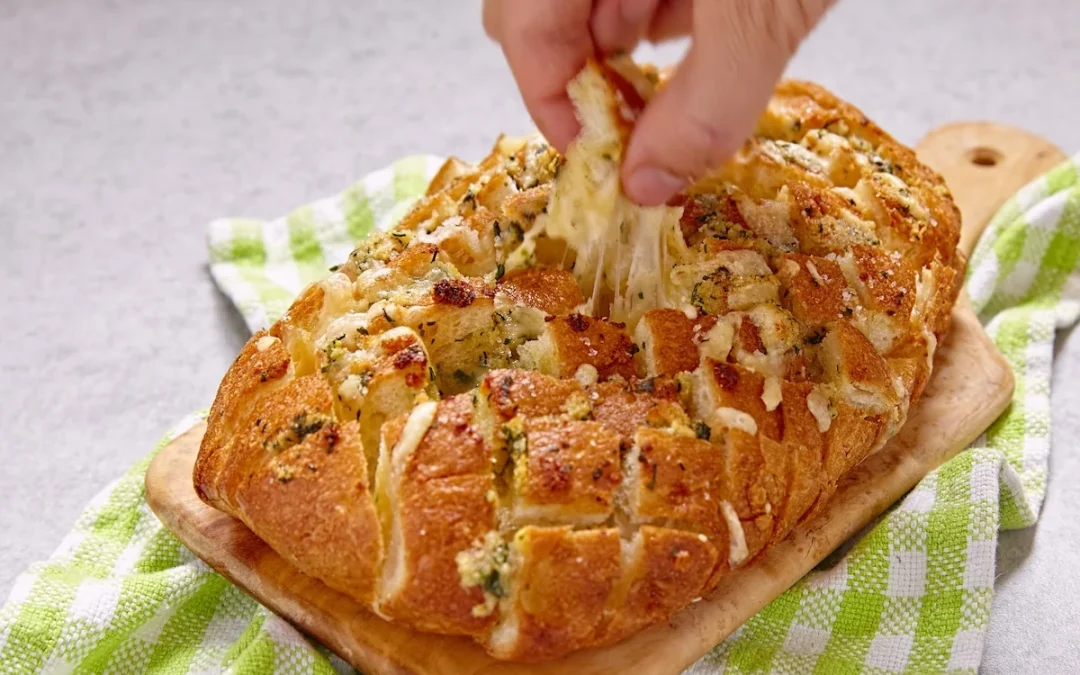
Rip, Tear and Pull-Apart Breads Menuing four fun, interactive styles
Flavor Trends, Strategies and Solutions for Menu Development[google_sidebar_ad adslug="2026-04-Surround-Kens-320x50"...
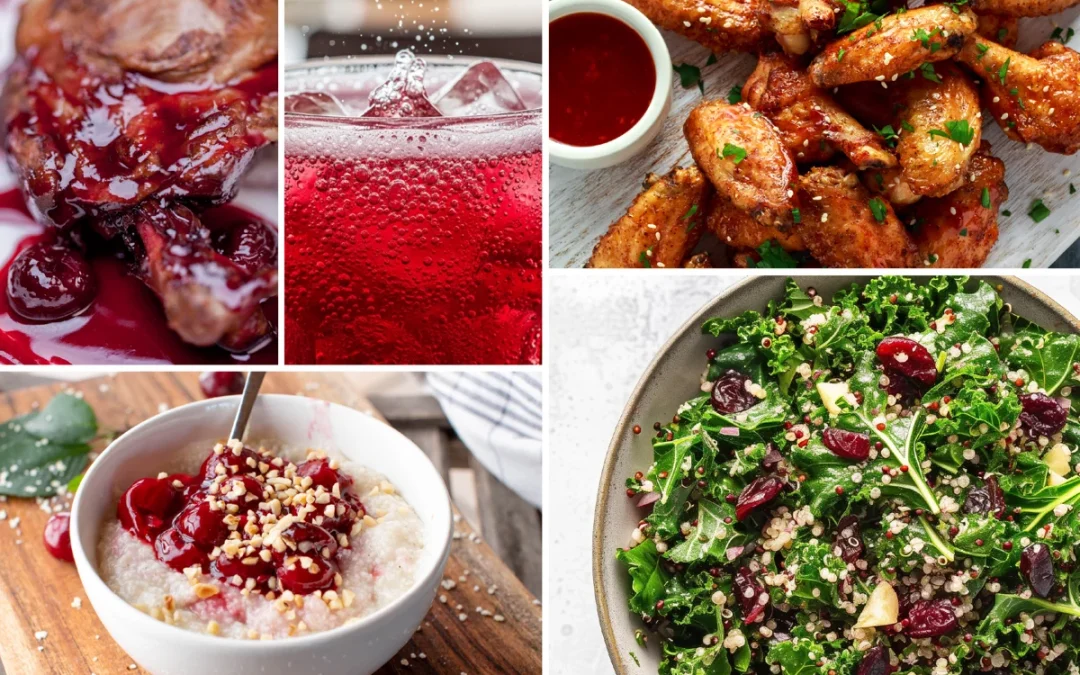
Tart Cherries Make Flavor Magic Reimagine ways to put their power of sour to work in modern menu development
Flavor Trends, Strategies and Solutions for Menu Development[google_sidebar_ad...
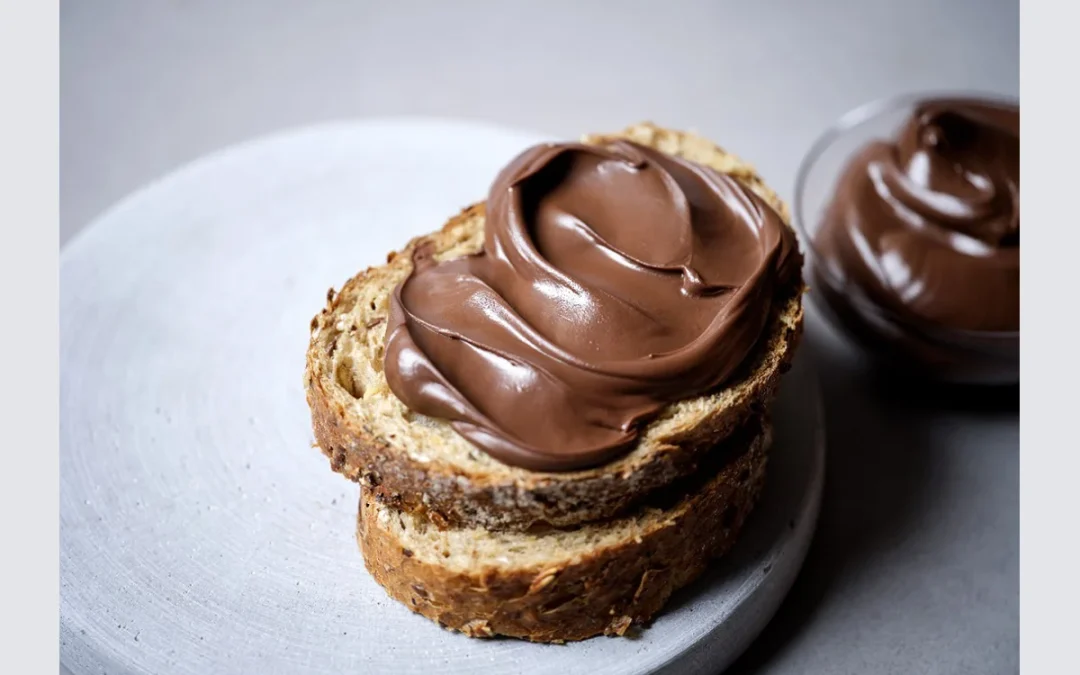
Spread a Little Indulgence Clean-label nut butters deliver dairy-free creaminess with a naturally premium read
Flavor Trends, Strategies and Solutions for Menu Development[google_sidebar_ad adslug="2026-05-Surround-Puratos-320x50"...
