
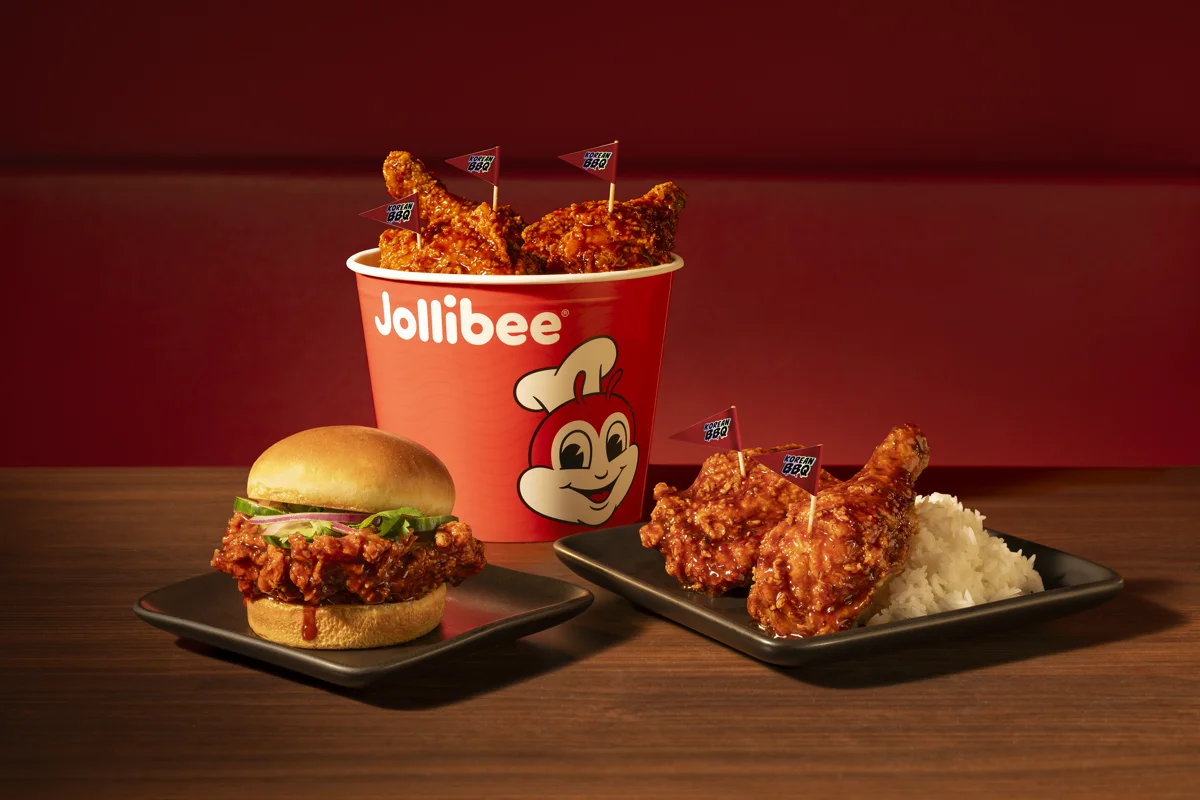
Jollibee’s KBBQ Chicken LTO reflects how global Asian flavors are increasingly shaping U.S. fast-food menus. Here, a sweet soy glaze with a kick of heat coats the brand’s iconic crispy fried chicken.
Credit: Jollibee
Asia’s Fast-Food Playbook
How global QSRs are impacting value and innovation
This is not a story about Asian-inspired American chains. It’s a story about Asian-owned quick-serve brands, many with thousands of units across Asia, now turning their attention to the U.S. market. Their entrance offers a compelling blueprint for innovation—one grounded in value, authenticity, aesthetics and boldly flavored, texture-forward menu builds. The implications for U.S. menu developers are profound.
What’s notable isn’t simply their expansion into American markets but how they illuminate shifting consumer expectations. “These Asian chains offer trust plus discovery. They are established brands elsewhere but new to U.S. consumers, creating a ‘safe adventure’ dynamic,” says Claire Conaghan, trendologist and associate director of publications at Datassential. The moment is ripe for these players because their strengths—novelty, cultural rootedness and modern flavor play—align squarely with the needs of today’s value-conscious, globally curious diner.
 Credit: Lotteria
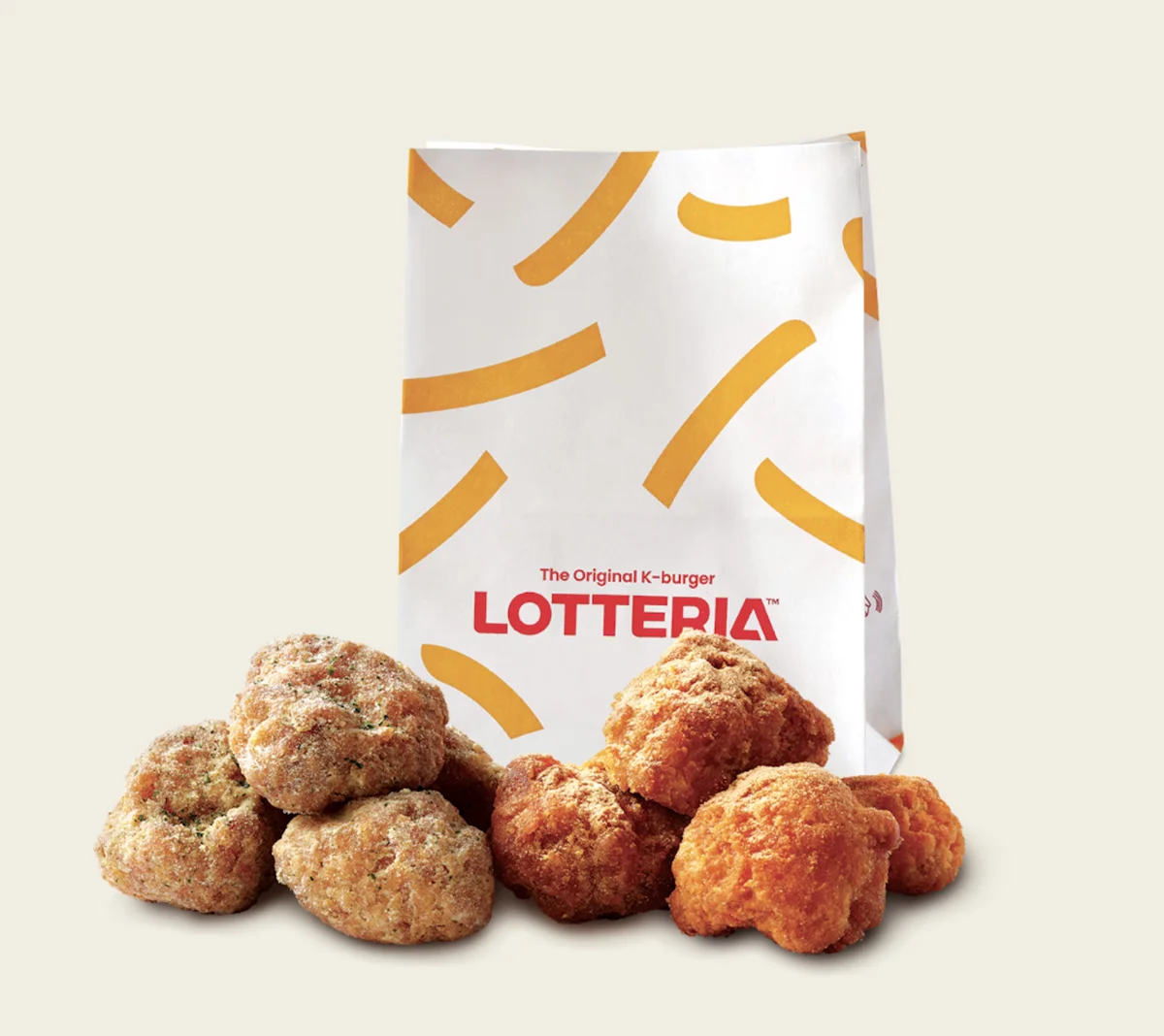
 Lotteria’s Shake It Chicken—in onion or cheese flavor options—showcases how Asian fast-food brands are bringing innovation to market through interactive formats.
NOW IS THE TIME
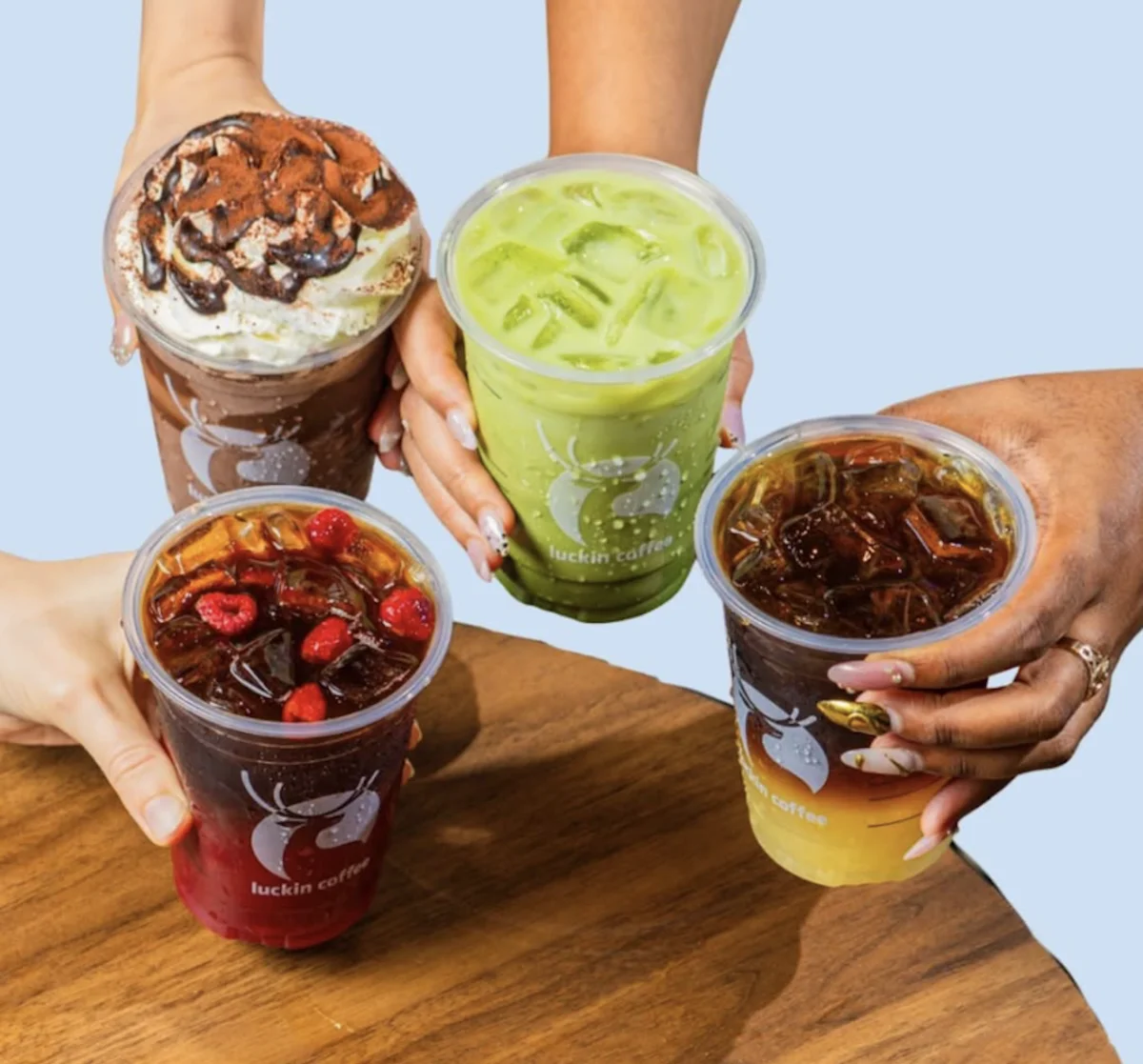
Inflationary pressure and economic fatigue have elevated value as a priority across income brackets, but these brands are redefining what value means. Chains like Luckin Coffee, a Chinese coffee concept built primarily on speed and value, entered New York with a pricing structure that undercuts Starbucks while presenting a more contemporary beverage experience. Luckin hangs its brand on the product rather than the experience, allowing it to address a different need state than Starbucks and other experience-first concepts. Menu offerings include classics like the Caramel Macchiato and Vanilla Latte, as well as signature drinks like the Grape Fizzy Americano, a ristretto coffee combined with grape pulp and seltzer. The appeal lies in how cleanly Luckin fits into everyday, on-the-go routines—with a tech-savvy customer interface and high-quality drinks at fair prices, but without the expectation of an integrated café experience.
Alongside value sits a dual surge in cultural and sensory curiosity. “The rise of Luckin, Mixue, Chagee and others comes back to cultural exploration and flavor discovery,” says Miriam Aniel Oved, head of integrated marketing at Tastewise.
These Asian brands meet that desire for discovery while maintaining a measure of familiarity. Their menus often apply formats Americans already understand—fried chicken, burgers, milk tea, soft serve—but infuse them with global flavor perspectives and heightened textural play. The result is approachability without dilution. Michael Parlapiano, managing director at The Culinary Edge, frames it simply: “It’s still fries, burgers, shakes and lattes but with flavors and textures that feel fresh. That combination of familiarity and discovery is exactly what younger generations want.”
 Credit: Luckin Coffee
 Luckin Coffee exemplifies the new wave of beverage innovation, offering a broad portfolio that highlights playful flavor layering, textural additions, a frictionless app-only ordering system and a focus on grab-and-go convenience.
MEET THE PLAYERS
Mixue, the Chinese ice cream and tea brand, recently surpassed McDonald’s in global store count, boasting more than 45,000 locations worldwide. It offers a master class in value-engineered craveability. Its signature soft-serve cones, fruit teas and milk teas deliver on-trend indulgence at ultra-low prices. The effect is democratized delight.
Mixue’s U.S. debut underscores the power of this value-driven model. The brand built its following on a simple soft-serve cone—creamy, cheerful and famously affordable—supported by playful extensions like the O-Crispy Sundae, where chocolate-coated rice pearls add a light crunch. Its beverage lineup leans into familiar favorites such as a classic pearl milk tea, while hybrids like the Ice Cream Latte merge Mixue’s ice-cream DNA with coffee culture. Together, these items reinforce Mixue’s appeal as an accessible, habitual indulgence.
Chagee, with more than 6,000 global locations, takes the opposite route, positioning itself as a refined modern tea house. Its Boya Jasmine Tea Latte delivers delicate floral aromatics layered into a silky finish, while its Roasted Oolong Latte boasts caramelized depth and gentle creaminess. Beyond flavor, Chagee sells ritual and restoration through its minimalist interiors, handcrafted beverages and sensory storytelling rooted in Chinese tea heritage. It signals a potential shift in cultural focus from bubble tea novelty to premium tea culture.
Molly Tea, a Chinese concept now proliferating in the U.S. market, follows a similar track, leaning heavily into provenance, offering a selection of delicate, floral teas such as the White Champaca Matcha Milk Tea, featuring an orchid aroma, blended with milk and topped with a matcha cheese foam. Its polished brand aesthetic promotes a reverence for authentic Japanese tea culture.
Meanwhile, Lotteria brings Korean flavor play into a familiar burger concept. Its Bibim Rice Burger swaps bread for a chewy rice bun—an unexpected, but welcome twist for Gen Z. Its snack category includes Shake It Chicken, crispy bite-sized chicken balls customers shake in a choice of signature seasoning powders right in the takeout bag, delivering a sweet and savory crunch. These items are fresh and exciting to U.S. consumers yet stand comfortably alongside American quick-serve classics.
Other more firmly established bakery and fried-chicken brands, notably Tous les Jours, Paris Baguette and Jollibee, continue to expand across the U.S., each contributing to a growing culinary fluency. Milk breads, ube pastries, Filipino fried chicken and Asian-influenced sweet goods have entered the mainstream vocabulary of modern comfort.
BORDERLESS CRAVEABILITY
Jollibee is a Filipino-founded quick-serve giant known for its joyful brand ethos and craveable menu, with some 80 U.S. units and approximately 1,800 worldwide. It exemplifies the mainstreaming of Asian QSRs. Jollibee’s hallmark Chickenjoy—crispy, juicy fried chicken paired with a silky, umami-rich gravy—anchors the menu and has earned national accolades, including repeated wins as the best fast-food fried chicken in the U.S. Beyond chicken, Jollibee relies on a uniquely Filipino comfort profile, evidenced by items like its Jolly Spaghetti (topped with a signature sweet-style sauce, ground beef and hot dog pieces and melty cheese) and Ube Pie (a flaky pastry crust filled with purple yams), all offered at an accessible price point. In the U.S., the brand has moved from a beloved destination for the Filipino diaspora to a mainstream favorite, powered by Gen Z curiosity, textural play, bold flavor and cultural authenticity.
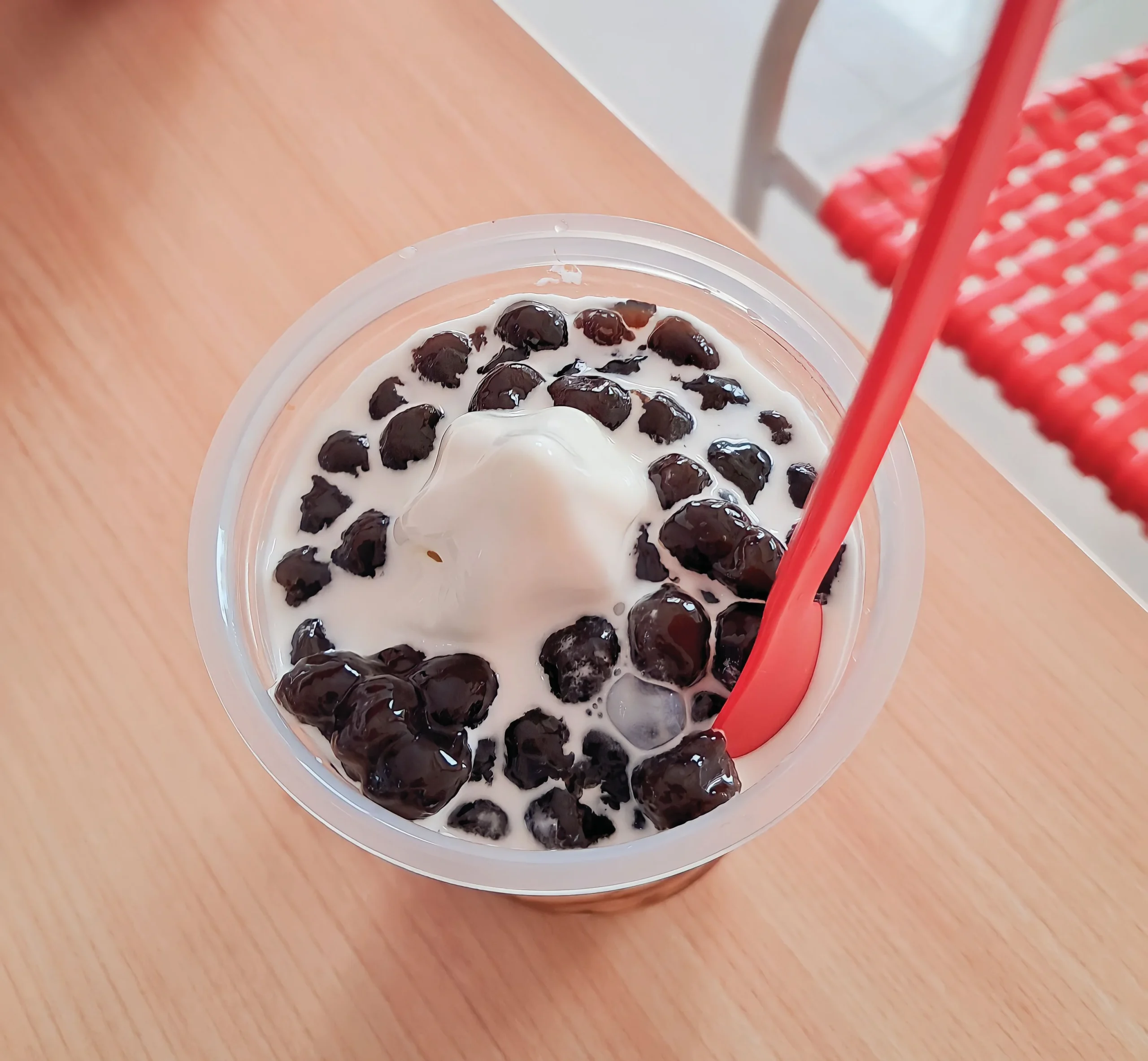
Mixue turns boba into dessert with its Boba Sundae—swirling soft-serve with chewy pearls to create a textural treat that blurs the line between snack and dessert.
Jollibee’s growth reflects a widespread appetite for food that feels both emotionally warm and globally connected. Its famed Chickenjoy platform sheds light on why this approach resonates. “Our chicken is crispy and juicy,” says Joy Cruz, VP, research and development, Jollibee North America. “Then you add the gravy—that silky, rich, smooth texture and umami bomb—and that proves to be a winning attribute for us.”
Cruz also identifies authenticity as a differentiator: “Familiarity gives us an approachable entry point. But once guests experience the food, they feel, ‘Oh, this is authentic.’” At a time when younger diners are attuned to cultural respect and originality, this matters. “When they experience our brand, they feel it’s genuine and represents our values. Authenticity and approachability combined help us attract new audiences and retain them. We don’t want a one-and-done experience; we want lifelong fans,” she says.
LESSONS TO LEARN
The rise of these Asian fast-food concepts offers a clear message to U.S. menu developers. First, texture, heat, aromatics and contrast are undeniably essential considerations in modern flavor strategy. Second, value must be reframed. These global chains show that value means delivering more than expected at a price point that is accessible in today’s economy. Consumers reward brands that exceed their expectations at a fair price. Third, authenticity—when delivered with clarity and confidence—has become a competitive advantage. Parlapiano emphasizes that these brands succeed because, in many cases, “They’re bringing the same menu they run in Singapore or Manila, and consumers respect that.” U.S. operators need not chase full cultural replication, but they must approach global flavors with purpose and integrity.
The momentum propelling these quick-serve brands signals opportunity in American fast food. Their achievements reflect the direction that consumer desire is headed: toward richer stories, deeper flavor, textural delight and value that feels progressive rather than margin driven. “In the constellation of consumer drivers reflected in the success of these brands, you can pick out the top three or four that matter to your segment. If one is inaccessible—like deep cultural authenticity—then you lean more heavily into the others,” says Tastewise’s Oved. “So, if U.S. restaurant brands can’t compete on authenticity, they can compete on flavor combinations, affordability and aesthetics.” For operators willing to adapt with intention, this moment isn’t competition—it’s inspiration.
About the Author
 Katie Ayoub serves as managing editor of Flavor & The Menu and content strategist for the Flavor Experience, an annual conference geared toward chain operators. She is president of Katie Ayoub & Associates, serving up menu trends expertise, content creation and food & beverage consultancy. Based in Chicago, Katie has been working in foodservice publishing for more than 20 years and part of the Flavor team since 2006. katie.ayoub@gmail.comRead More Stories by Katie Ayoub
Rip, Tear and Pull-Apart Breads Menuing four fun, interactive styles
Flavor Trends, Strategies and Solutions for Menu Development[google_sidebar_ad adslug="2026-04-Surround-Kens-320x50"...
Tart Cherries Make Flavor Magic Reimagine ways to put their power of sour to work in modern menu development
Flavor Trends, Strategies and Solutions for Menu Development[google_sidebar_ad...
Spread a Little Indulgence Clean-label nut butters deliver dairy-free creaminess with a naturally premium read
Flavor Trends, Strategies and Solutions for Menu Development[google_sidebar_ad adslug="2026-05-Surround-Puratos-320x50"...
