Innovation is unfolding in two directions, from dessert-like decadence to drinks designed for how consumers want to feel.
Credit: Kwanisik
The New Beverage Era
A two-track surge is rewriting the rules of innovation
Major restaurant brands are responding with beverage-first strategies that leverage this momentum. Taco Bell’s Live Más Café and Chick-fil-A’s Daybright Coffee & Refreshment both signal a future where beverage-first thinking drives participation. Operators increasingly understand that today’s beverages are platforms—vehicles for trend translation, flavor experimentation and emotional connection.
“It’s a fabulous time for beverage innovation,” says Miriam Aniel Oved, head of integrated marketing at Tastewise. She notes that macro forces in food culture—personalization, permissible indulgence, wellness experimentation—are all colliding most visibly in beverages. Dirty soda, protein cold foam, adaptogenic add-ins, probiotic sodas and natural energy blends may seem disparate, but, she says, “No trend exists in a vacuum. Everything is intimately connected.”
This convergence is propelling two dominant streams: a surge in bold, dessert-adjacent beverages and an equally powerful rise in drinks built around functional cues and clean energy.
 Credit: Live Más Café
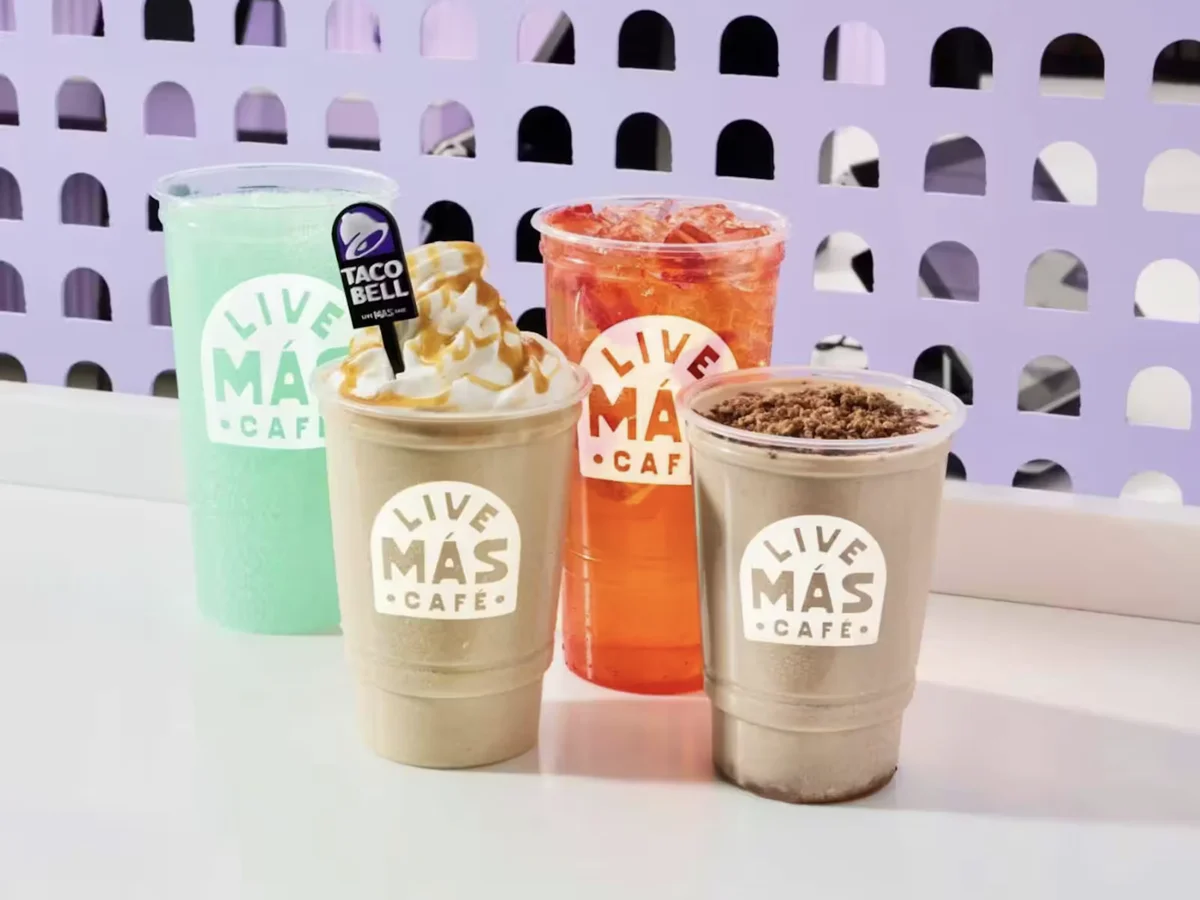
 Taco Bell’s Live Más Café highlights a shift toward beverage-led development, where signature drinks shape brand identity and guest engagement.
THE INDULGENCE EFFECT
Within this broader cultural context, one of the strongest forces reshaping non-alc beverage innovation is indulgence. Consumers are reaching for drinks that offer escapism, multisensory pleasure, nostalgic comfort and/or “little treat” culture. Dirty soda is one of the clearest examples here, pairing traditional sodas with fruit syrups and creamy elements like coconut milk, half-and-half or coffee creamer. Restaurant brands across the country are getting in on the trend, filtering it through their specific brand ethos. Swig, the Utah-based soda shop widely credited with igniting the dirty soda movement, proved early on that soda could become a fully customizable treat platform—triggering a broader movement across foodservice. Jack in the Box rolled out Twisted Sodas, including offerings like Mint Twisted Soda with mint flavoring, sweetened cream and a flourish of whipped cream. Sonic Drive-In leaned into the personalization side of the dirty soda trend, inviting guests to “make it dirty,” adding coconut cream and lime to a soda of their choosing.
“The proliferation of dirty soda reinforces consumer drivers that are going to be with us for a while,” says Oved. “It brings in that intensity of flavor and texture, and it also ties into personalization and customization.” Dirty soda’s rise aligns with what Oved identifies as a broader emotional need: playful, familiar formats elevated just enough to feel modern.
Dutch Bros helped set the pace for today’s over-the-top sweet-drinks culture. Long before dirty sodas and hyper-customizable cold beverages hit the mainstream, the brand understood that younger consumers want drinks that feel like an event. They built a sense of community around indulgence. Dutch Bros doesn’t just serve beverages; they have created a beverage identity. By normalizing maximalist sweetness and customization, they reframed indulgence as joyful rather than taboo. They leaned into delight, proving that Gen Z doesn’t reject wellness—they simply want room for celebration, too. Their model foreshadowed the broader beverage landscape: personalization as the value proposition, indulgence as self-expression and beverages as cultural experiences.
Live Más Café, a beverage pop-up that lives within pilot Taco Bell locations in California and Texas, is grounded in this maximalist approach with drinks engineered for visual drama and personalized storytelling, with Taco Bell already exploring stand-alone units as the next evolution of the concept. Permissive beverages work because they sit at the intersection of fun, familiarity and shareability. They are made for social feeds, but also for emotional resonance—a reward, a pick-me-up, a moment of joy.
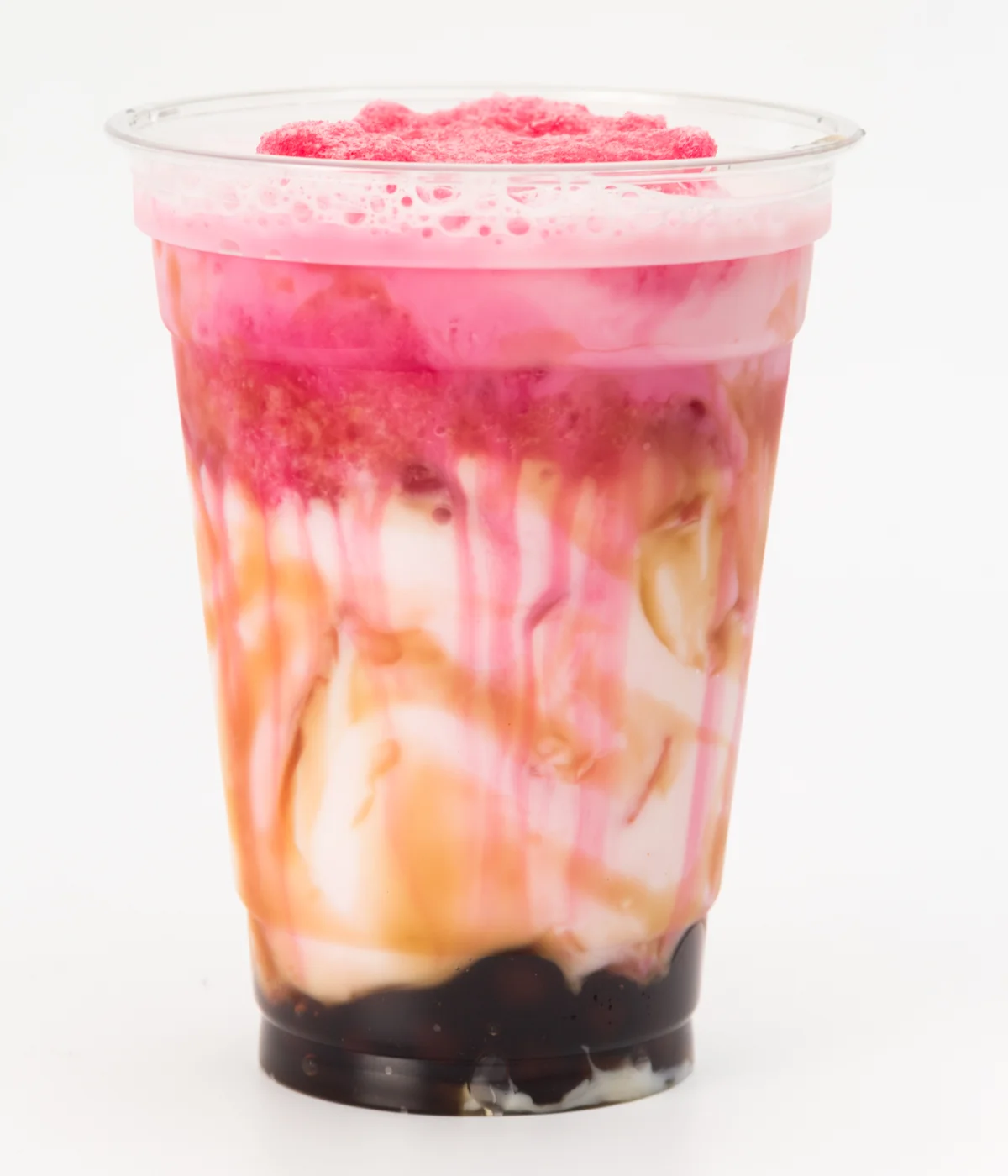
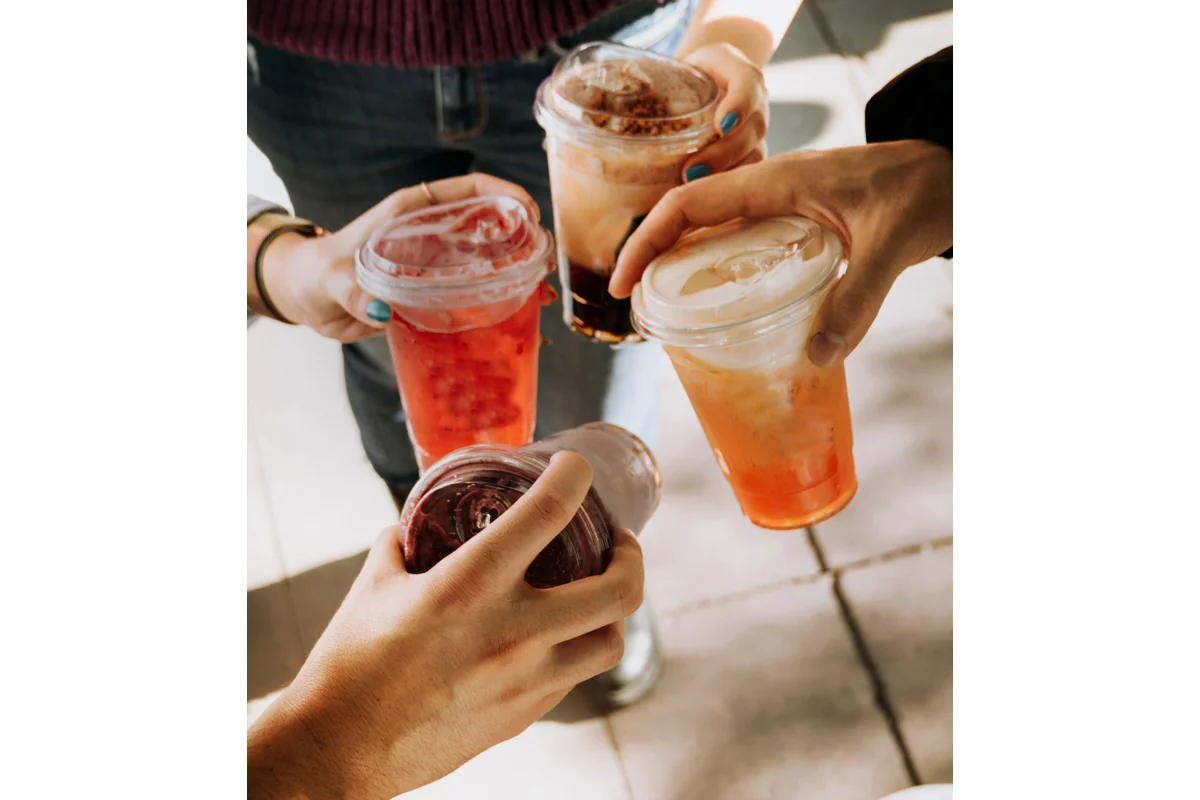
Beverage innovation today finds the sweet spot with fun, fruity flavors and modern texture inclusions, like chewy boba and a slushy float.
This indulgent playbook is gaining traction across the beverage landscape. Daybright, Chick-fil-A’s new beverage-forward concept, taps into a different strand of indulgence: housemade drinks that balance nostalgia with novelty, giving guests permission to treat themselves in a way that feels modern and joyful. One example from the menu: the La-Tea-Da, hibiscus tea with swirls of creamy whole milk, topped with pink edible glitter.
THE FUNCTIONAL FRONTIER
Functional beverages are undergoing a meaningful shift—one defined by personalization, whole ingredients and emerging wellness rituals. A growing number of concepts are embracing what feels like the early stages of a possible “wellness beverage era,” where drinks become a common carrier for functional boosts. Operators are experimenting with customizable add-ins, and consumers are responding to beverages enhanced with calm-focus blends, hydration formulas, gut-friendly ferments and protein-forward components. Volta, a “clean energy drink” café in Nashville, is a prime example: Its menu offers build-your-own “serum” upgrades ranging from creatine to reishi to collagen. Menus include Ocean Water, prompting guests to “drink your hyaluronic acid” with ingredients that include blue spirulina, lime and coconut, while offering deep hydration and soothing minerals. This do-it-yourself add-in culture is likely to migrate into broader foodservice and the RTD space. Starbucks’ expansion into protein cold foam illustrates how quickly these ideas scale.
Cold foam, in particular, has become one of the most important carriers for functional storytelling. “Personalized wellness is huge,” says Oved. “Starbucks’ protein cold foam is a great example, and we’re going to see tons of movement around functional cold foams in the year ahead. Think stress-relief cold foam and the like.”
Consumers are increasingly comfortable sitting in what Oved calls “the gray space,” wanting pleasure and wellness simultaneously. “They can say, ‘I want a little treat. I want something sweet, but I don’t want to give up this sense of health,’ even if it’s a health halo,” she says. That dual desire is driving innovation in beverages that promise calm, mental clarity, digestive support and hydration. Gut-friendly sodas like Olipop are bridging indulgence and intention in ways that feel accessible rather than medicinal. Probiotic and prebiotic beverages illustrate this duality especially well; they satisfy sweetness cravings while signaling gut health, immunity or balance.
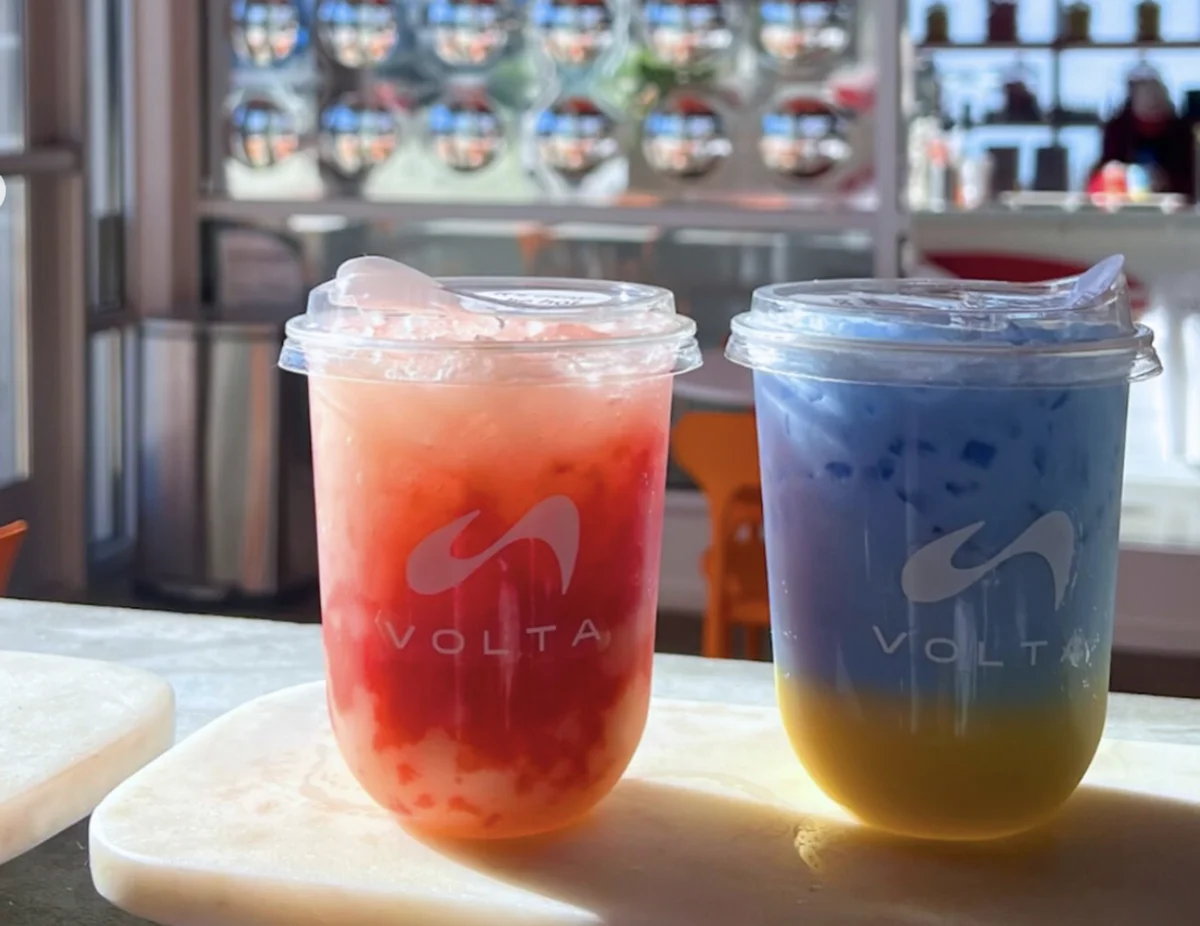 Credit: Volta
 Volta, a wellness café in Nashville, offers mood- and health-enhancing upgrades to its menu of beverages like Strawberry Lemonade (left) and Ocean Water (right).
Functional beverages, in this new chapter, are less about performance claims and more about creating small, intentional rituals: morning matcha that boosts clarity, an afternoon soda that supports digestion, a cold foam that introduces protein or botanicals in a low-barrier, high-pleasure format. They are everyday wellness tools disguised as flavor-driven drinks.
THE RISE OF CLEAN ENERGY
Energy is experiencing a transformation, moving away from high-octane, high-sugar options toward beverages positioned around clarity, calm focus and “clean” stimulation. “We’re going to see a lot more innovation around clean energy drinks; the data supports that. Clean ingredients and other health considerations like gut health are coming into the energy drink world,” says Oved.
Ingredients like L-theanine, an amino acid derived from tea that promotes calm, are gaining awareness among consumers, creating opportunities for operators to deliver energy without jitters. The implications for foodservice are significant. Guests across generations—not just Gen Z—are seeking beverages that support digital lifestyles, which can include long workdays, intense gaming sessions, focus-intensive roles and overall screen fatigue. “One of the most interesting trends we’re seeing is around digital flow states—think of the millions of Americans who work in front of a screen all day and perform deep-focused work,” says Oved. She predicts a wide-open lane for innovation: “There’s a gap to fill. How do we sustain long-term digital focus without the jitters of a traditional energy drink, using natural ingredients? I think we’re going to see a lot more messaging around that, along with new products positioned specifically for digital focus, digital fatigue and even eye health.”
That gap is attracting significant innovation. Ingredients once considered niche are starting to be considered everyday tools: L-theanine for clarity and calm, cordyceps and lion’s mane for cognitive lift, guayusa for smoother caffeine curves and herbal stimulants like rhodiola for stamina. For operators, this creates exciting opportunity. Menu-ready formulations that combine familiar flavors with purposeful functional cues can elevate beverage programs without adding operational complexity.
The moment is rich with possibility. Cold beverages offer high margins, strong storytelling and operational simplicity. They meet consumers where they already are—seeking novelty, seeking balance, seeking experience. And perhaps most importantly, today’s breakthrough beverages provide a platform for identity.
About the Author
 Katie Ayoub serves as managing editor of Flavor & The Menu and content strategist for the Flavor Experience, an annual conference geared toward chain operators. She is president of Katie Ayoub & Associates, serving up menu trends expertise, content creation and food & beverage consultancy. Based in Chicago, Katie has been working in foodservice publishing for more than 20 years and part of the Flavor team since 2006. katie.ayoub@gmail.comRead More Stories by Katie Ayoub
Rip, Tear and Pull-Apart Breads Menuing four fun, interactive styles
Flavor Trends, Strategies and Solutions for Menu Development[google_sidebar_ad adslug="2026-04-Surround-Kens-320x50"...
Tart Cherries Make Flavor Magic Reimagine ways to put their power of sour to work in modern menu development
Flavor Trends, Strategies and Solutions for Menu Development[google_sidebar_ad...
Spread a Little Indulgence Clean-label nut butters deliver dairy-free creaminess with a naturally premium read
Flavor Trends, Strategies and Solutions for Menu Development[google_sidebar_ad adslug="2026-05-Surround-Puratos-320x50"...
