



Trends on the Horizon
The next chapter in flavor inspiration
1Through the Grapevine
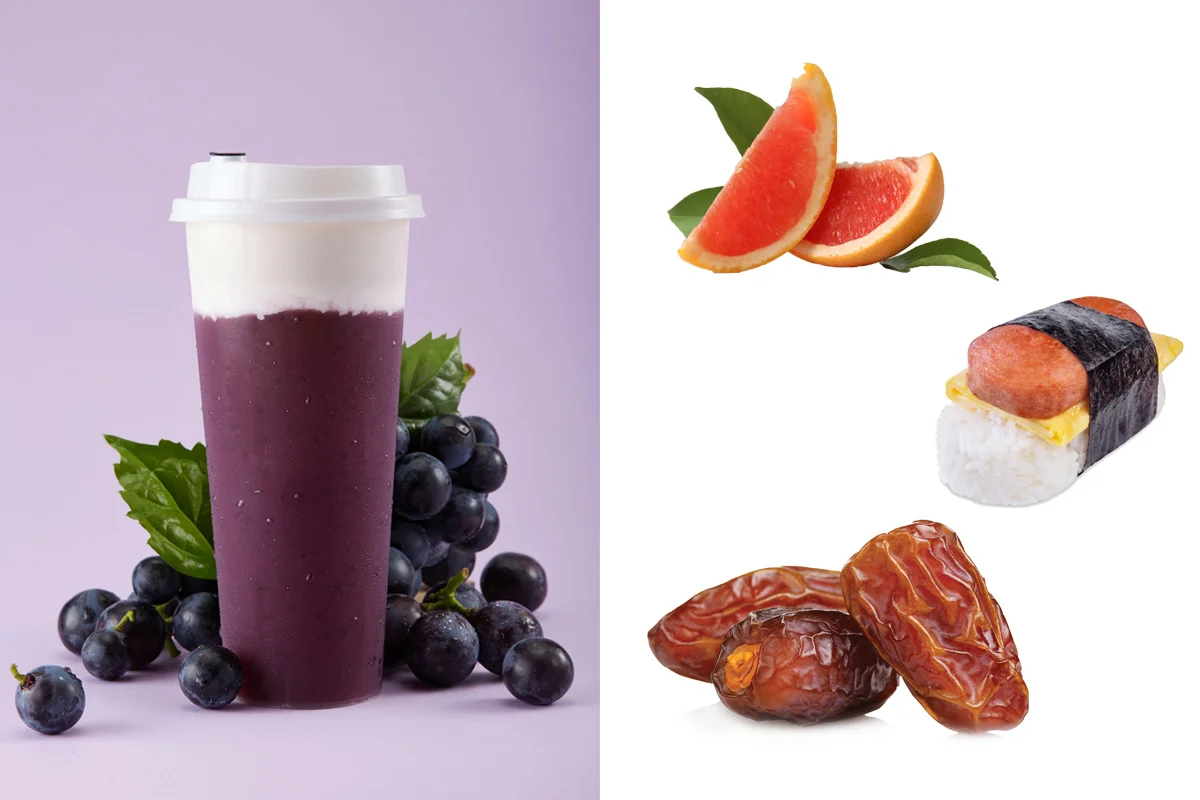
Grape is stepping forward as a breakout flavor—not through American nostalgia but thanks to the influence of Asian dessert and beverage brands treating it as bright, textural and modern. Early signals include Mixue’s Grape Series, with its Taro Ball Grape Tea and Grape Sundae; Korean-style grape sodas with chewy add-ins like coconut jelly; and Luckin Coffee’s Grape Fizzy Americano, blending ristretto, grape pulp and seltzer. And late last year, HeyTea brought back its Green Grape Boom, which blends juice with jasmine green tea into a slushie. The Chinese brand is largely credited with popularizing the cheese tea craze of the 2010s, so it’s only fitting that a Cloud Green Grape Boom (featuring a whipped cheese cloud) also be part of the lineup. For operators, grape offers familiar, juicy flavor, vibrant color, cross-beverage versatility and a fresh point of differentiation across teas, refreshers, coffee builds and sweet treats.
2Getting Salty
Salt is breaking through as an unexpected hero in the beverage space, fueled by the rise of functional hydration and global inspiration. From Mexico’s suero—a lime, salt and sparkling water rehydration staple—to Japan’s heat-relief drinks like salty watermelon soda, operators are tapping salt for both wellness and flavor lift. Celtic and Himalayan salts signal “natural electrolytes” cues, while salt foams and mineral-salt accents amplify flavor. As buzz around hydration rituals grows, strategic salt inclusion offers a fresh, wellness-forward way to differentiate beverages. Case in point: This March, beverage leader Sonic debuted its Refresher lineup, featuring three flavors: Strawberry Passion Fruit, Mango Peach and Berry Citrus. Although these drinks offer some caffeine via green tea, they are positioned as “hydrating” and fruit-forward, a notable shift from competitors’ focus around caffeine.
3The Future Is Fiber
Fiber is emerging as the next big wellness driver—an evolution in focus beyond protein rather than a replacement for it. As consumers of all ages tune into gut health, satiety and overall digestive wellness, operators have clear opportunities to build fiber into menus through ingredients like dates, chia seeds, lentils and fiber-rich grains. The key is telegraphing it. Just as protein became a menu callout, fiber is poised to follow suit, especially as brands like Sweetgreen normalize macronutrient transparency. For high-volume operators, developing a credible “fiber story” offers an early advantage in the next phase of functional eating. Fast casual Bellagreen is among the brands leading the charge. Its spring 2026 menu, which runs through the end of May, “embraces the ‘fibermaxxing’ movement, spotlighting high-fiber, nutrient-dense ingredients.” Among the LTOs are a Golden Glow Roasted Veggie Bowl, Seared Salmon with Veggie Noodles and Gluten-Free Lemon Blueberry Cheesecake.
4Cocoa With Benefits
Hot chocolate is entering the wellness era as consumers look for comfort with purpose. Functional builds layer nutrient-rich cacao with boosts like adaptogens, nootropics and anti-inflammatory spices. At Volta, a wellness-driven café in Nashville, a standout version of functional hot chocolate stars ceremonial-grade cacao, coconut oil, reishi, lion’s mane, ginger, turmeric, cinnamon and red maca—turning a nostalgic beverage into a personalized wellness ritual. For operators, functional hot chocolate offers a low-barrier gateway to mood, energy and focus-forward beverages while keeping indulgence at the core.
5Grapefruit Glow Up
Grapefruit is standing out as a next-gen fruit for U.S. beverage development, propelled by the growing familiarity of Asian beverage culture, where citrus is prized for both its fresh, acidic flavor and juicy, pulpy, chewy texture. Korean-inspired coffee shops are leading U.S. adoption, but the momentum is broader—seen in Taiwan’s grapefruit green teas, Japan’s seasonal citrus sodas and Vietnam’s grapefruit juices that highlight bright segments and fresh pulp. At Stringria Coffee and Tea Bar, housed in Chicago’s Gangnam Market Food Court, the Grapefruit Tea Slush is a tea-based ice slush flavored with grapefruit and topped with fresh grapefruit pulp. Bubble tea and smoothie chain TBaar combines the citrus with another functional ingredient in its Aloe Grapefruit Tea while the creamy Grapefruit & Yogurt beverage adds a probiotic boost. And in Seattle, Ghost Note Coffee deftly melds grapefruit and coffee (both with bitter tasting notes) in two of its top-sellers: Lush Life (iced espresso, grapefruit aromatics, almond milk and orange blossom honey) and Sun Ship (iced espresso, smoked grapefruit rosemary syrup, coconut water, sparkling water and lime). For operators, grapefruit’s sweet-bitter brightness and built-in natural texture offer a modern way to energize coffee and tea builds, telegraphing real-fruit integrity on menus.
6Customizable Musubi
Musubi is moving from Hawaiian comfort staple to high-impact, format-driven opportunity. Its tidy build—rice block, protein, nori—offers instant recognition and endless adaptability, making it a powerful carrier for global flavors. While Spam remains a nostalgic anchor, chefs are experimenting with other proteins like mojo pork, bulgogi beef, fried chicken and shrimp tempura, and layering with craveable accents such as gochujang mayo or furikake. Case in point: Forthcoming New York fast casual Kine Musubi will offer signature musubi rolls as well as an option to build your own “Chipotle-style.” As consumers seek portable, customizable, bold snacks, musubi delivers a familiar format with limitless flavor potential, from premium riffs to bowl-inspired builds.
7Koji Takes Off
Koji—Aspergillus oryzae cultivated on grains and the foundation of miso, soy sauce, sake and mirin—is fast becoming the next umami power move, shifting from behind-the-scenes ferment to overt menu star. Chefs are embracing its ability to amplify depth, tenderness and savoriness across both plant-forward and meat-centric dishes, pushing it into seasonings, brines and butters. At the same time, koji’s role in fermentation is drawing attention for its digestive and gut-health benefits, adding another layer of relevance as wellness cues rise. A notable example: INI Ristorante in Fountain Valley, Calif., menus Koji Butter Shrimp, a dish where koji drives the flavor identity. As operators hunt for high-impact flavor tools, koji offers a compelling, trend-forward path for differentiation. And across the country, New York will soon welcome fermentation-focused Hacco Bakery, which leverages koji flour and koji syrup to unlock subtle sweetness and a bit of umami funk. As operators hunt for high-impact flavor tools, koji offers a compelling, trend-forward path for differentiation.
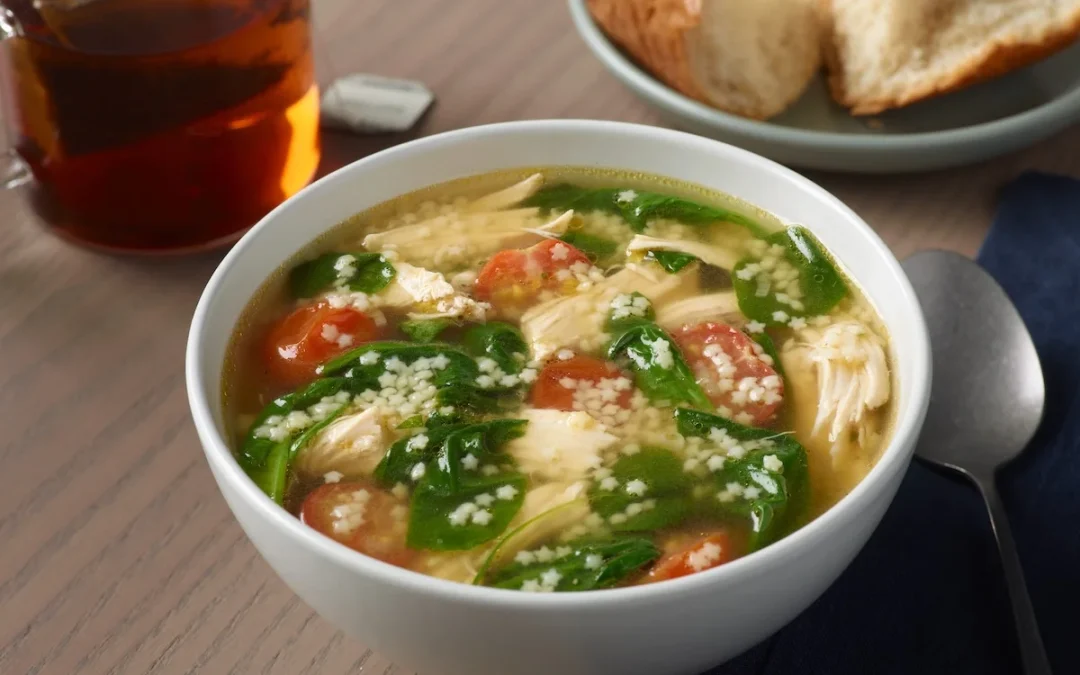
Simple Comfort Pastina proves that restraint still resonates
Flavor Trends, Strategies and Solutions for Menu Development[google_sidebar_ad adslug="2026-04-Surround-Barilla-320x50"...
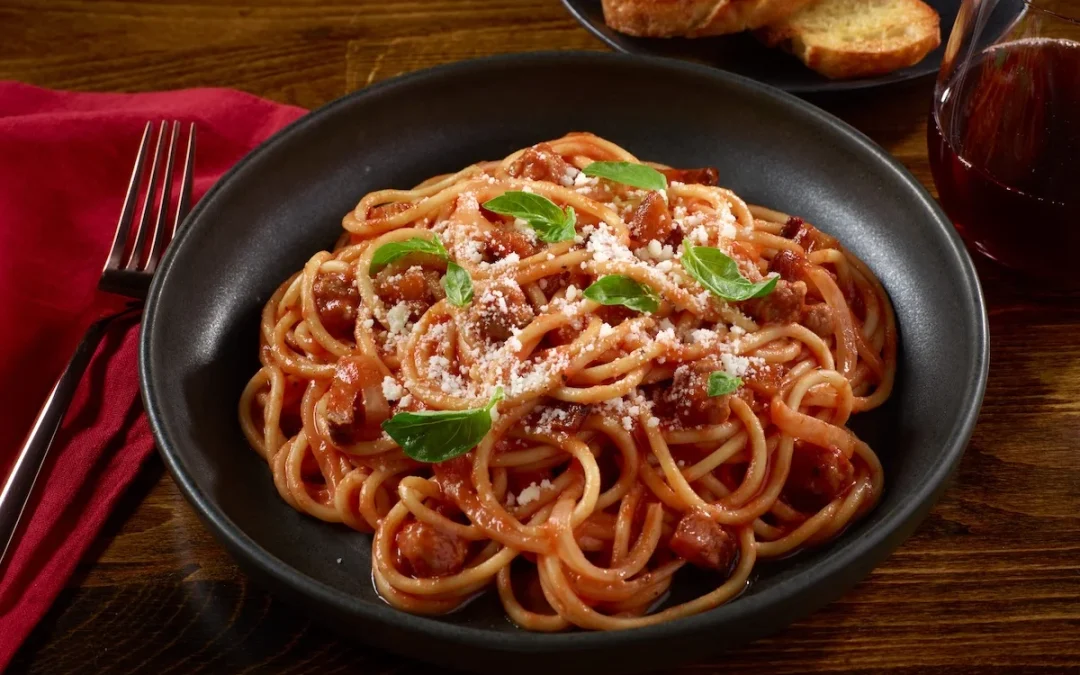
More Is More Alla Zozzona amplifies tradition into craveable indulgence
Flavor Trends, Strategies and Solutions for Menu Development[google_sidebar_ad adslug="2026-04-Surround-Barilla-320x50"...
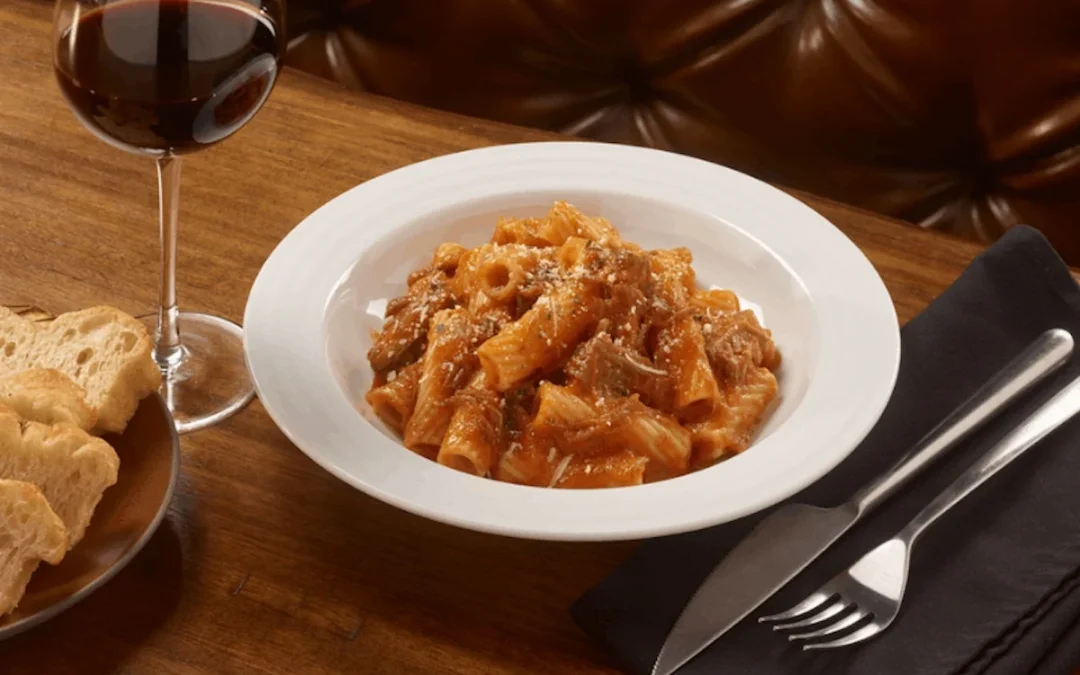
Slow Craft Pasta alla Genovese channels time, memory and menu storytelling
Flavor Trends, Strategies and Solutions for Menu Development[google_sidebar_ad adslug="2026-04-Surround-Barilla-320x50"...
