
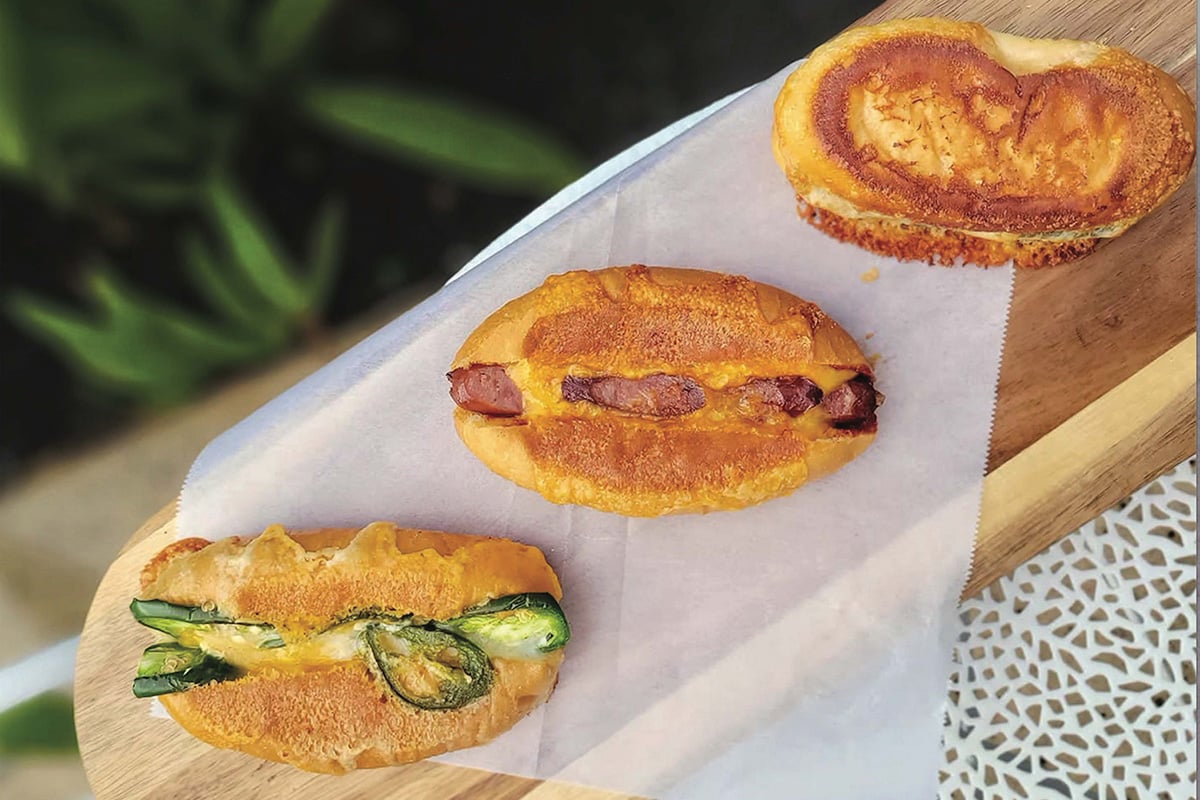
Okayama Kobo Bakery & Café, with locations in Los Angeles, Anaheim, Calif., and Honolulu, serves up highly craveable soft-bun paninis, including (L to R) the Cheesy Jalapeño with cheddar, Monterey Jack, fresh jalapeños, Japanese mayo and chile flakes; a Hot Dog with Japanese pork sausage, ketchup, mustard, mayo and cheddar; and the Japanini with shiso leaf, basil pesto, bacon, cheese and tomato.
Credit: Okayama Kobo
A Soft Sell on Handhelds
Discovering new pathways for differentiation
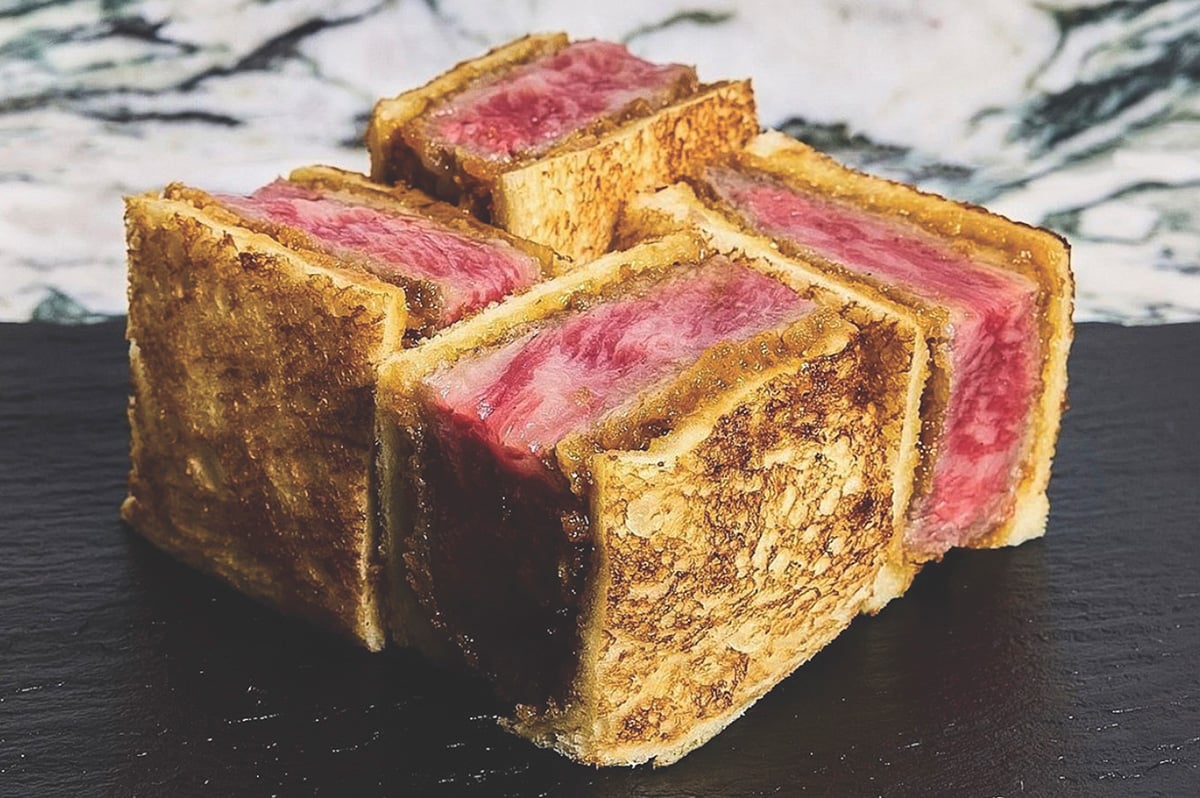
Inspiration can be found throughout the U.S. at Asian-inspired restaurants, bakeries and cafés, as well as at those specializing in modern American fare. Proper Sandos by Kishi, a pop-up at the Austin Proper Hotel, in Austin, Texas, offers creative twists on the sando, the classic Japanese sandwich. The menu proudly proclaims use of milk bread, letting its reputation for a pillowy soft, slightly sweet and very rich texture help to sell the inventive builds. For example, the Nasu Sando features eggplant, pickled red cabbage, caramelized onion, yuzu-miso mayo and pickled mustard, and the Japanese A5 Wagyu Sando stars a slice of A5 Wagyu striploin expertly coated and fried, with tonkatsu sauce and honey mustard.
 Credit: Proper Sandos by Kishi
 The A5 Wagyu Sando at Proper Sandos by Kishi in Austin, Texas, features the traditional milk bread, griddled to great effect.
Okayama Kobo Bakery & Café, a Japanese bakery chain with locations in Los Angeles, Anaheim, Calif., and Honolulu, showcases signature Japanese breads in a number of builds. The Curry Pan boasts baked, panko-crusted bread encasing Japanese-style vegetable curry, while the Tomato-Basil Salt & Butter features salt bread filled with sun-dried tomato and topped with pesto and mozzarella.
Indeed, salt bread is one to watch in the coming years. Hailing from Japan, it’s become popular in South Korea and has potential to make its move onto mainstream menus in the U.S. The buttery roll, sprinkled with salt, is best described as a marriage between a croissant and a dinner roll. At JiWoo Bake, a Korean-influenced bakery in Madison, Wis., customers can order Salt Bread Boxes that include fillings like scallion-bacon cream cheese and ang-butter (red bean paste with butter).
“This is where the future of handhelds is headed: Toward a place where simplicity meets sophistication and where street-food staples transform into something more nuanced, memorable and utterly craveable. The beauty of these handheld innovations lies in their versatility,” says Liz Moskow, food futurist and consultant.
 Credit: Hello Em
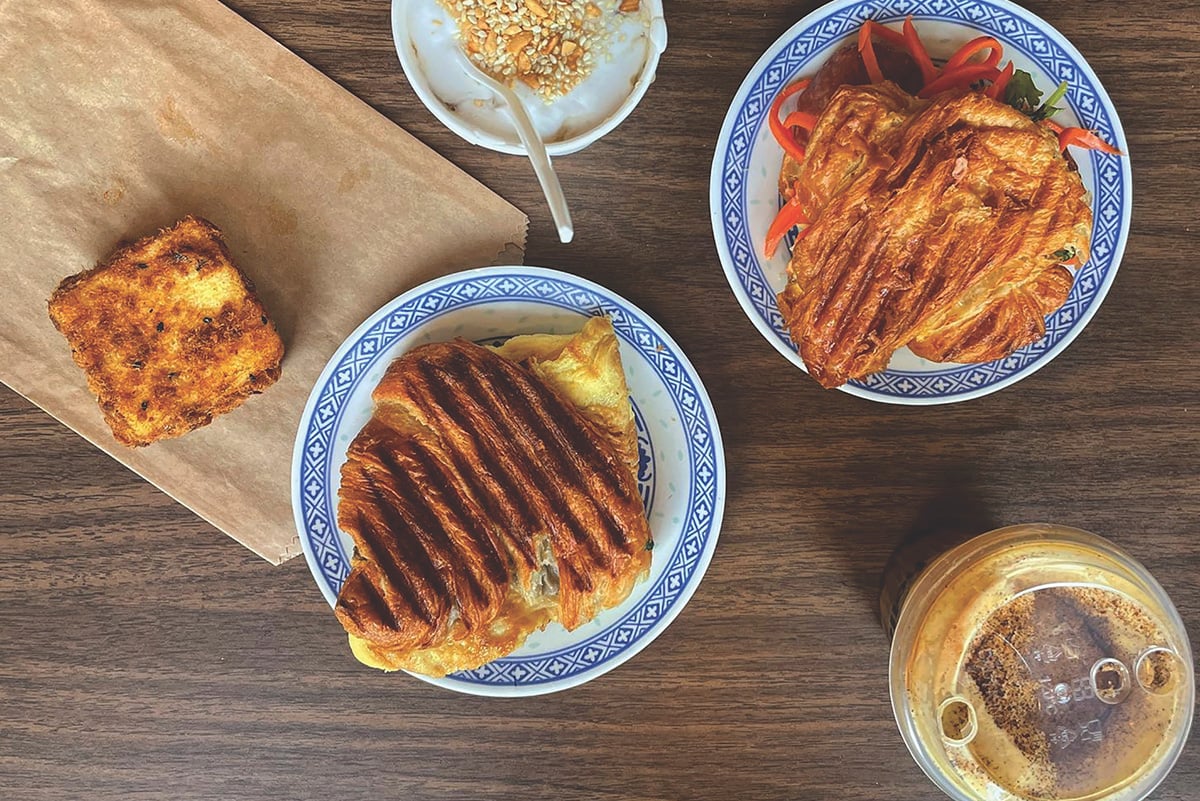
 Hello Em Viet Coffee & Roastery in Seattle is doing its part to propel a movement around pressed-and-grilled croissant sandwiches. Of particular note is its Croissant Pâté, a pillowy soft croissant that is cut open, filled with bone marrow pâté, an omelette, mayo, scallion oil and fried shallots, and then pressed, melding the flavors and activating the butter in the croissant to reveal its crispy, crackly deliciousness.
OPPORTUNITY IN HAND
Soft breads are one hallmark of this modern sandwich trend. Another is found in the use of techniques that put craveability front and center and broaden the opportunity for wider adoption among today’s consumers. We’re talking about grilling, pressing, griddling and toasting.
“As consumer demand for global food connections rises, operators will need to deploy more diverse food options with bolder flavors,” says Rob Corliss, founder of ATE (All Things Epicurean) culinary consultancy. “Texture has sprung to the forefront of this flavor conversation, as chefs strive to implement the next alluring crunch attributes that capture the hearts of patrons. All levels of texture are on the table, with handhelds being the next platform for culinary exploration. Pressing sandwiches and the craveable melding of flavors speaks directly to this opportunity.”
Hello Em Viet Coffee & Roastery in Seattle, a wildly creative Vietnamese-themed café, turns the familiar banh mi on its head in the Croissant Pâté, which ditches the classic dense baguette for a pillowy soft croissant that is cut open and filled with bone marrow pâté, an omelette, mayo, scallion oil and fried shallots. Here’s the magic: It’s then pressed, melding the flavors together and activating the butter in the croissant to work its crispy, crackly deliciousness. Okayama Kobo cleverly spins the panini toward a Japanese sensibility with its Japanini, which sees a soft bun—made with Hokkaido flour, yielding an exceptionally fluffy bread—filled with shiso leaf, basil pesto, bacon, cheese and tomato, and then pressed for a delightfully crispy exterior.
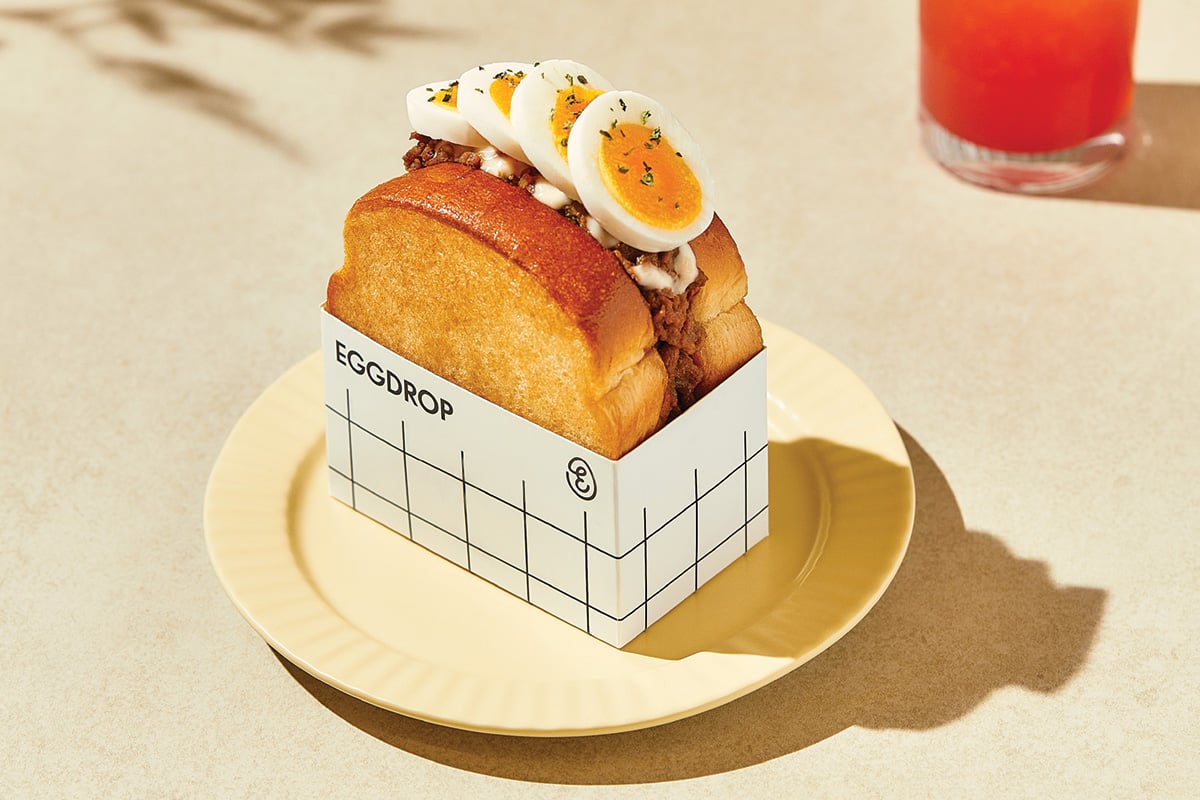 Credit: Egg Drop
 With 33 ghost kitchen partnerships dotting the U.S., the Egg Drop Sandwiches concept is helping introduce consumers to Korean-inspired breakfast sandwiches, anchored by toasted brioche for maximum crave factor.
Breakfast inspiration is overflowing in this trend. Smoking Tiger, a Korean-inspired bakery with multiple locations in Southern California, opts for a nontraditional carrier for its breakfast sandwich, with successful results. Its Korean Egg Sando, with avocado, egg, bacon and spicy garlic mayo, is served on a griddled Hawaiian roll. Another muse is found in gilgeori toast, the Korean-street-food-meets-breakfast sandwich, which typically sees a filling of fried egg, cabbage, ham and cheese carried by a range of white breads. Toast’N Egg in San Francisco specializes in Korean egg drop sandos, serving 10 variations, including the Curry Up Crunchy Chicken Toast with chicken, egg, cheese, purple cabbage, pickle, curry sauce, mayo and sweet cream. The build for the Shrimp Talk Toast features a shrimp-and-fish patty, egg, cheese, purple cabbage, pickle, sweet chile sauce, mayo, sweet cream, seaweed and chip crumbs.
Such inspired sandwich builds reflect overarching trends that promise to inform menu development for years to come, including the swell of innovation brought on by third-culture cooking. “In the evolving culinary landscape, globally inspired handhelds are rewriting the playbook on what it means to enjoy a sandwich,” says Moskow. “These creations are not just food—they’re edible experiences that merge techniques, cultures and narratives in each bite.”
About the Author
 Katie Ayoub serves as managing editor of Flavor & The Menu and content strategist for the Flavor Experience, an annual conference geared toward chain operators. She is president of Katie Ayoub & Associates, serving up menu trends expertise, content creation and food & beverage consultancy. Based in Chicago, Katie has been working in foodservice publishing for more than 20 years and part of the Flavor team since 2006. katie.ayoub@gmail.comRead More Stories by Katie Ayoub
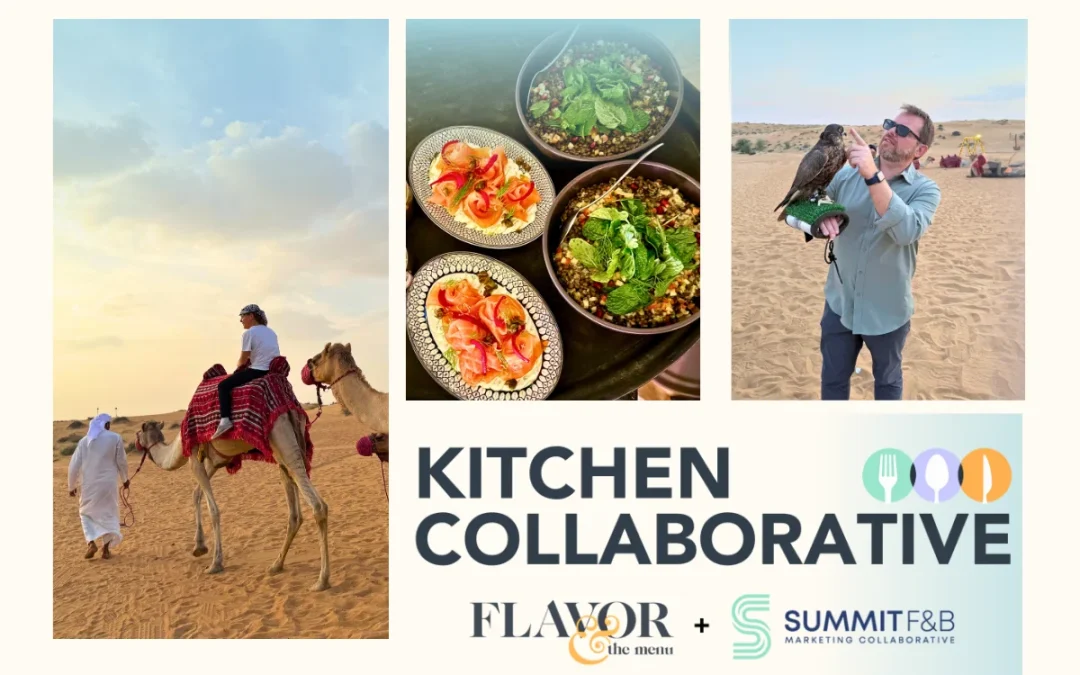
Day Four Markets and the Desert
Flavor Trends, Strategies and Solutions for Menu Development[google_sidebar_ad...
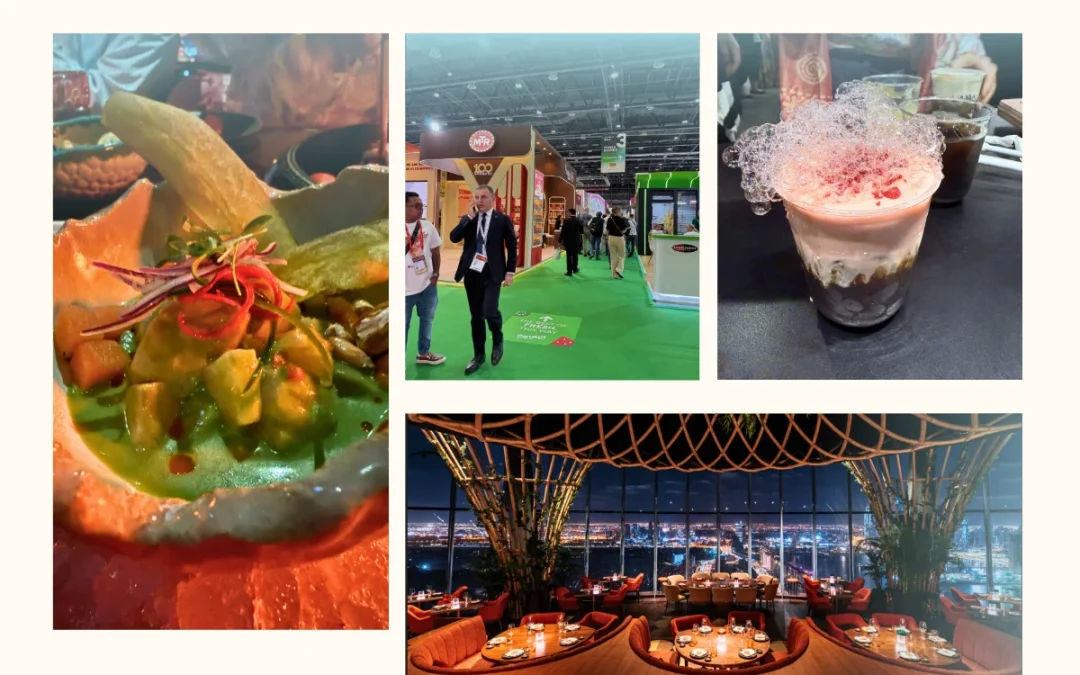
Day Three Gulfood, panoramic views and late-night libations
Flavor Trends, Strategies and Solutions for Menu Development[google_sidebar_ad...
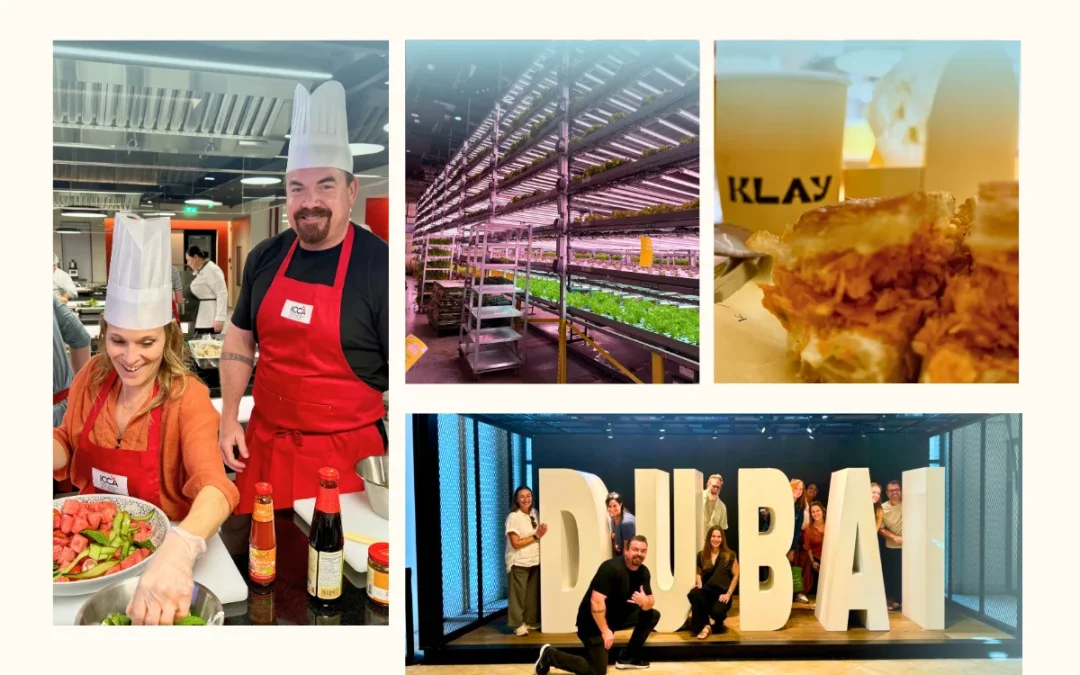
Day Two Vertical farms, paratha buns and culinary school
Flavor Trends, Strategies and Solutions for Menu Development[google_sidebar_ad...
