
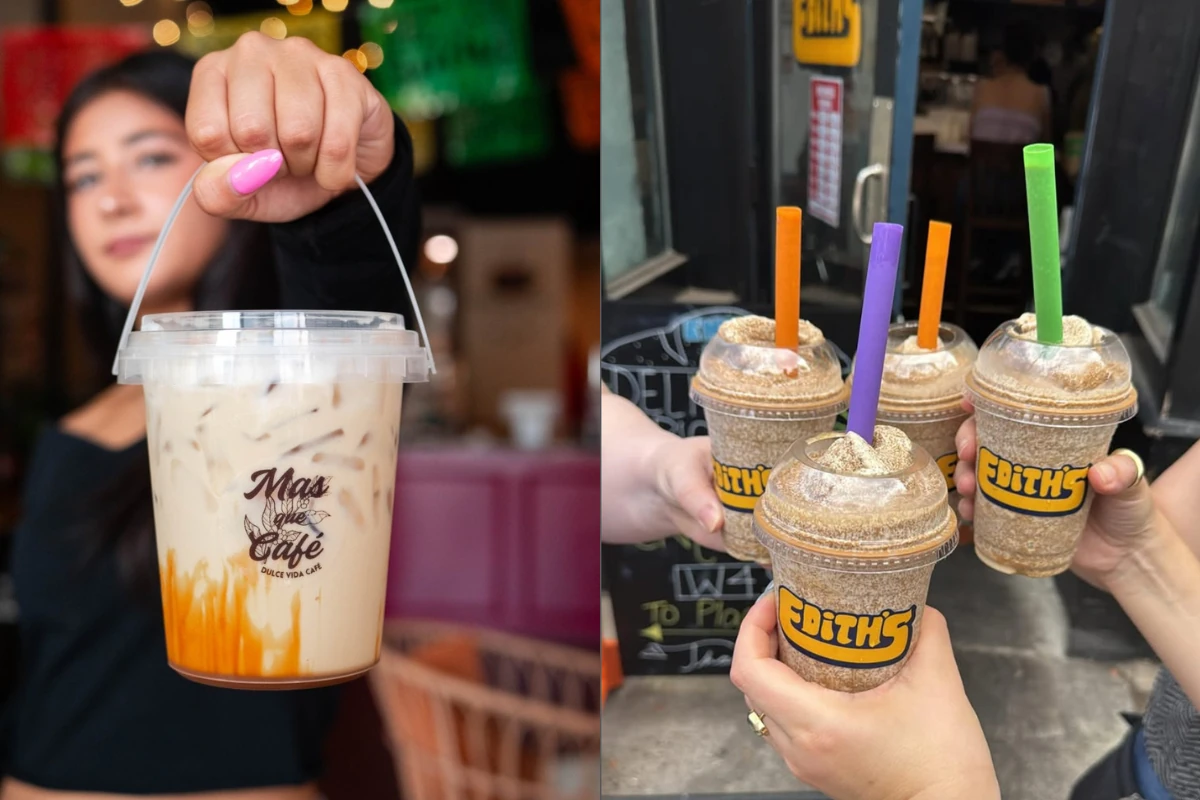
Across the coffee category, operators are going big and bold. Dulce Vida Café serves a 34-ounce “bucket” latte for extreme caffeine, while Edith’s Sandwich Counter ups the protein via its tahini in its Iced Café Slushie.
Credit: Gregorys Coffee | Edith’s Sandwich Counter
Bites and Sips: Protein-Packed Coffee and Regional Specialties
Exploring microtrends, one bite and sip at a time
Innovation is the lifeblood of menu development, with countless new items invigorating restaurant brands and energizing the industry as a whole. While many of these may not evolve into long-term trends with major-league status, they still represent valuable niche opportunities to perk up offerings and generate buzz. Each month, we’re serving up a platter of ideas that aim to create a connection with customers and deliver a promotional pop.
I. Inventive Coffees
One of the most remarkable category transformations in restaurant history came courtesy of Starbucks, when the brand proved that a commodity could be transformed into a value-added, flavor-enhanced, traffic-generating specialty. Creativity in the coffee segment continues at a fever pitch, with new-item introductions addressing a range of hot-button trends.
Protein enhancement keys into both the ongoing popularity of lifestyle diets and the increasing use of GLP1 drugs that emphasize the nutrient. And, in common with many other food-and-beverage trends, protein coffee is getting a strong tailwind from TikTok. Posts relating to what has been dubbed “proffee” have garnered well over 20 million hits, and operators are responding to the opportunity. Peet’s Coffee welcomed the New Year with its January launch of a trio of protein-powered lattes, while Dutch Bros jumped onboard early with its own energy-boosting lineup. And category leader Starbucks told analysts this summer that it is testing protein-added cold foam in selected markets; following that success, the brand is slated to roll out its Protein Cold Foam across the U.S. and Canada at the end of September.
Other coffee makers look to the global pantry for inspiration. Yelp reported a 900 percent increase in searches for tahini latte and a 678 percent surge in tahini coffee searches in March. A Middle Eastern staple made from sesame paste, tahini imparts a velvety, dairy-free mouthfeel under a halo of healthfulness. It appears on the menu at Edith’s Sandwich Counter in New York City and Brooklyn, where the Iced Café Slushie combines frozen cold brew with oat milk and tahini. It has also been added to the lineup at New York-based Gregorys Coffee, where cardamom-inflected Carda’mama Latte is made with espresso, oat milk and tahini mocha sauce.
In a development of truly epic proportions, dedicated caffeine connoisseurs can rev up their day with by-the-bucket, super-sized pours that have been cropping up at independent coffee shops looking to stand apart from the chains. Dulce Vida Café in Tulsa, Okla., sells a 34-ounce specialty “Latte Bucket” known as La Cubeta, which boasts four shots of espresso, is priced at $14 and reportedly represents more than 30 percent of orders. Smart money is on the convenience store chains to boost their business by out-sizing the competition with moderately priced mega quaffs. After all, 7-Eleven continues to promote its signature, bathtub-sized Big Gulps that have been hydrating customers since the 1970s.
II. Regional Accents
One of the primary characteristics of American cuisine is the vitality of regional and local foods that engender passionate support from their hometown fans. Hot dog adherents in Chicago defend their favored “dawgs” (which are tucked into poppy seed buns and sport peppers and neon-green relish) against opponents like Cincinnati’s chili dogs, with their generous dollop of cinnamon- and cocoa-inflected chili, cheddar cheese and onions.
But adaptation in the broader market remains challenging. Despite many attempts over the years to export these and other dishes like, say, the Philadelphia cheesesteak, beyond their point of origin, the items have failed to catch fire in the mainstream.
It will be interesting, therefore, to watch how Culver’s navigates regional bias as it expands from its base in Wisconsin (the brand is entering 12 new states in addition to 15 new locations within its existing footprint). Among its upper-Midwestern favorites are the iconic frozen custard and popular cheese curds. Richer than ice cream, frozen custard is a prized treat that the chain makes fresh throughout the day; its robust menu of flavors includes the limited-time Salted Caramel Pumpkin Concrete Mixer. Cheese curds, which are available as a side or snack, are made with fresh, not aged, Wisconsin cheddar in a proprietary breading. Both items are an easy bet to break taste barriers: Frozen custard answers the demand for affordable indulgence, and cheese curds offer the irresistible duo of gooey cheese and deep frying.
Other local favorites may have a longer journey in crossing state lines. One under-the-radar example is Biloxi-style pizza, the eponymous specialty found only along Mississippi’s Gulf Coast. Its distinguishing characteristic is a topping of French dressing with which in-the-know natives liberally douse their preferred pies. The practice originated with the 1951 opening of now-defunct Hugo’s Restaurant in Biloxi, which introduced pizza to the area. Culinary historians speculate that the familiar orange condiment may have eased trial of the unfamiliar Italian dish.
Then there are the all-you-can-eat sushi bars that dot Reno, Nev. While these concepts would never pass muster with their authentic, austere Japanese counterparts, they attract legions of locals. Ground rules generally prohibit to-go boxes, and some operators charge extra for leftovers. One such restaurant, Hinoki Sushi, doesn’t just go big on the volume of sushi; it also embraces big flavors with unconventional offerings such as the hefty 300 Roll, made with salmon, tempura shrimp, tempura crab, cream cheese, cilantro, onion, jalapeño, lemon, avocado, mayo, Sriracha, chile oil, habanero and teriyaki.
III. Nibbles and Bits: A Few More Quick Takes
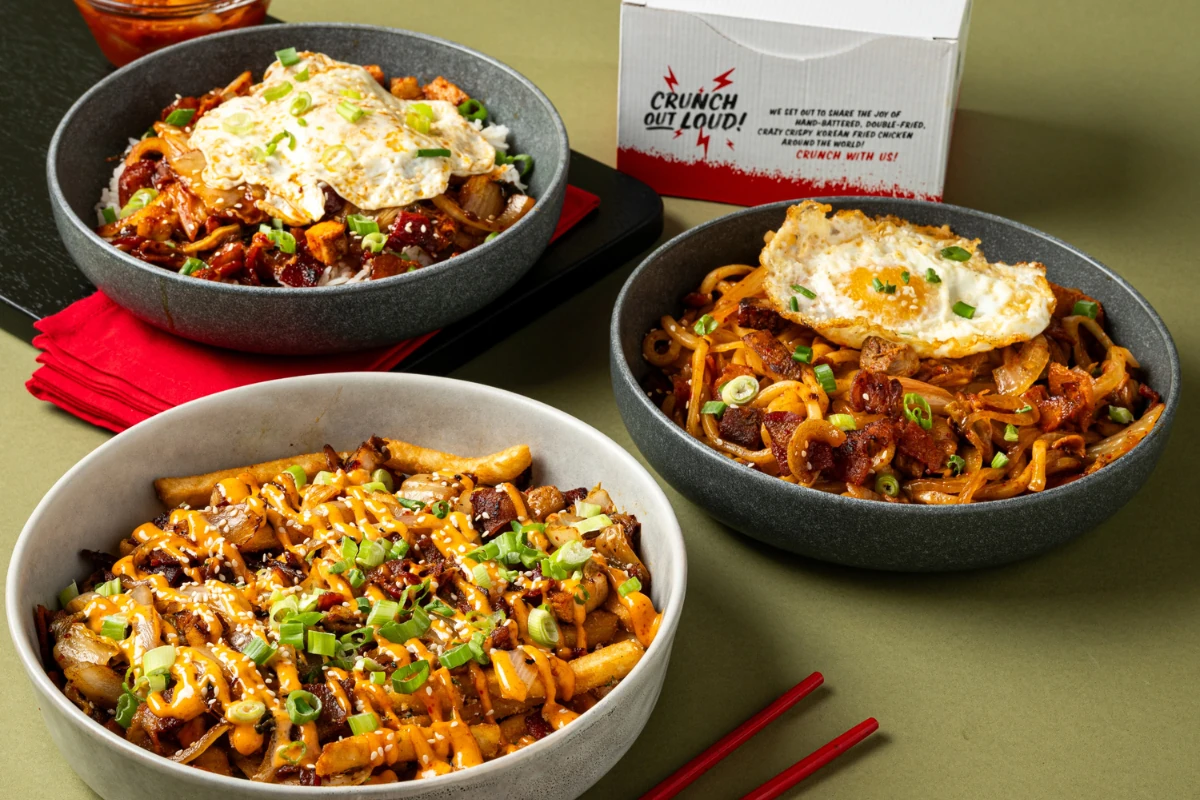
Bonchon is capitalizing on the irresistible combination of bacon and kimchi, applying it to fries, stir-fry and rice bowls.
Jimmy Nardello peppers are an heirloom variety from southern Italy and are named for the family that claims to have brought them to the U.S. Now, the variety is grabbing press attention as it crosses over from farmers markets to supermarket produce aisles and restaurant menus. Heat seekers will be disappointed, however, as sweet and citrusy “Jimmies” are virtually burn-free. But the flavor profile and bright-red color contribute to these peppers’ photogenic versatility, and their ease of preparation suggests blistered Jimmies may be the next-gen shishitos to grace appetizer lists.
Datassential reports that bacon is American’s favorite meat, and creative marketers respond with can’t-miss items like the new bacon-and-kimchi pairings appearing across the menu at Korean-fried chicken specialist Bonchon. Bacon Kimchi Fries are finished with mozzarella, scallions and spicy mayo; Bacon Kimchi Stir Fry Udon tops the title ingredients with spicy sauce, fried egg and scallions; and the Bacon Kimchi Rice Bowl is also garnished with fried egg and scallions.
The matcha bandwagon rolls on with the recent opening of the first-ever matcha gelato shop in the U.S. In a bid for differentiation in a crowded market, Aokō Matcha, located in New York City, invites patrons to level up their matcha with five taste-and-color levels. Level 1 is described as gentle and sweetly green, while Level 5 has a more flavor-forward, ceremonial grade finish. Flights allow for sampling and aim to make the product approachable to matcha neophytes.
Speaking of bandwagons, the Dubai chocolate craze continues its race to saturation. This summer, it has popped up in pancakes at IHOP, cookies at Crumbl, shakes at Shake Shack, ice cream at Marble Slab Creamery and frozen Greek yogurt at Nick the Greek. A range of items introduced in August at Paris Baguette runs the gamut, from a Dubai Chocolate Mochi Donut to the Dubai Chocolate Matcha Latte. This latter item nods to two current social media-driven menu phenomena and provides an obvious lure for Gen Z and younger Millennial trendinistas.
About the Author
 Nancy Kruse is a recognized authority and widely quoted spokesperson on food and menu trends. She is president of The Kruse Company, which is dedicated to assessing trends and directions in food, menu and restaurant concepts; she has tackled these topics in the pages of leading industry publications and forums. Prior to founding her own company, Nancy served as Executive Vice President for Technomic, Inc., where she conducted a wide range of consulting assignments for Fortune 500 food and restaurant companies. She has served on several boards, and she has been an active member of the Women's Foodservice Forum and Las Dames d'Escoffier International.Read More Stories by Nancy Kruse
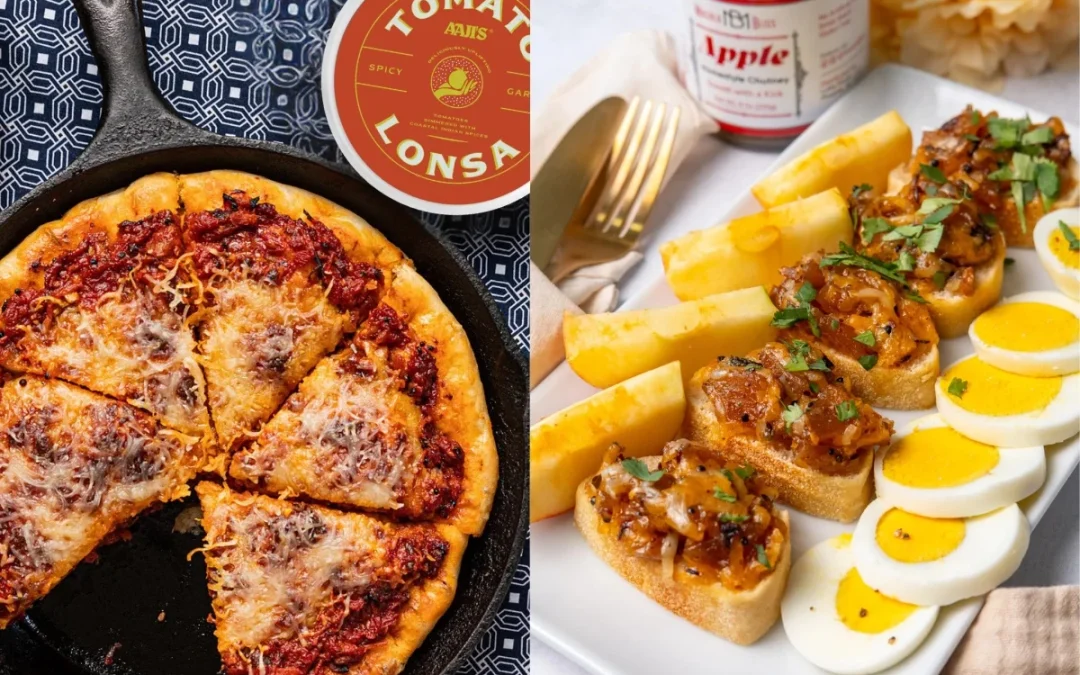
Bites & Sips: Inspiration From the Winter FancyFaire Exploring microtrends, one bite and sip at a time
Among the more notable categories at this year’s...

Flavors on the Edge: Fish Sauce Caramel Global flavors, ingredients and menu concepts inspire modern menu development
With centuries-old roots in Southeast Asian...
Move Over Mint Epazote lends an herbaceous edge
Flavor Trends, Strategies and Solutions for Menu Development[google_sidebar_ad...
