
Photo Credit: Ototo
Create Drama With Dressing
Eight areas of opportunity for salad dressings
A number of approaches keep trends top of mind; sorting them by flavor type is a good way to create a salad dressing laboratory.
- SALT: Smoked, black, pink, Himalayan, fish sauce, soy sauce, miso, anchovies
- FAT: Egg yolk, mayo, nut butters, tahini, olive oil, nut oils, sour cream, heavy cream, yogurt, coconut milk
- ACID: Vinegars, pickled ingredients, citrus, lime, lemon, orange, grapefruit, yogurt, sour cream, tamarind
- HEAT: Chiles, salsa, hot sauce, chile paste, chile oil
- SWEET: Infused simple syrups, steeps (lavender or hibiscus honey/syrup), rose water, date syrup, tamarind paste, maple syrup, fruit preserves or purées, brown sugar, molasses
- UMAMI: Hoisin, fermented yeast extracts, miso, anchovy, tomato paste, tomato or mushroom powder
- WILD-CARD FLAVORS: Matcha powder, roasted, smoked or pickled veggie or fruit purées, shallot, scallion, ginger, galangal, lemongrass
- COLOR: Chile paste, carrot, saffron, turmeric, achiote, pesto, butterfly pea flower, beet, cabbage, ube
About the Author
 LIZ MOSKOW is an F&B industry vet with more than two decades of brand, culinary, hospitality and CPG experience. Liz is considered a global leader in food industry and hospitality trends. She has been tapped by numerous food and beverage, CPG, hospitality, foodtech and virtual restaurant companies as a strategic advisor at the intersection of food and tech. Liz translates for, educates and updates decision-makers on the rapidly changing food and beverage landscape and identifies leading-edge culinary trends that will impact menus, product development, and off- and on-premise consumer behavior. She is based in Denver and is Principal of Bread & Circus Ltd., an advisory focused on the future of food.Read More Stories by Liz Moskow
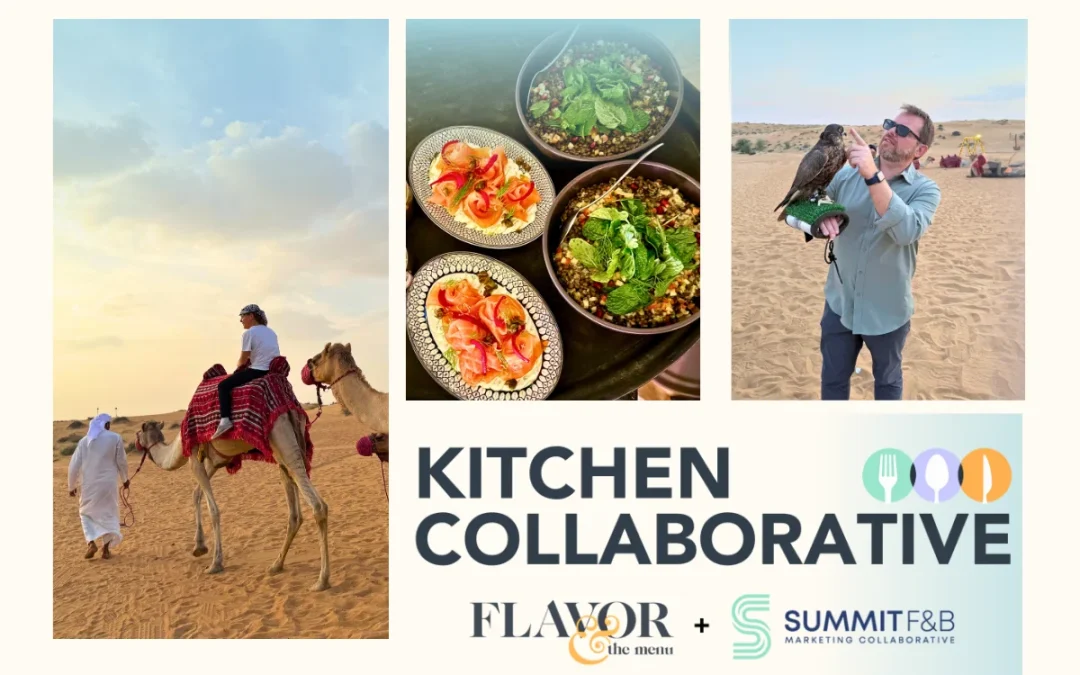
Day Four Markets and the Desert
Flavor Trends, Strategies and Solutions for Menu Development[google_sidebar_ad...
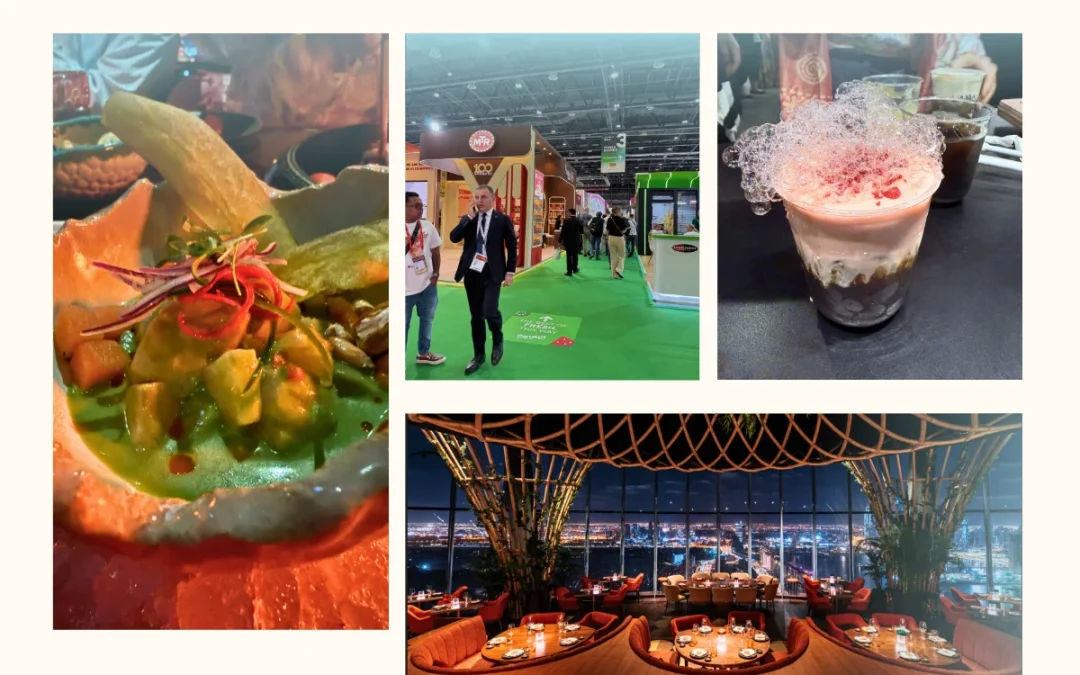
Day Three Gulfood, panoramic views and late-night libations
Flavor Trends, Strategies and Solutions for Menu Development[google_sidebar_ad...
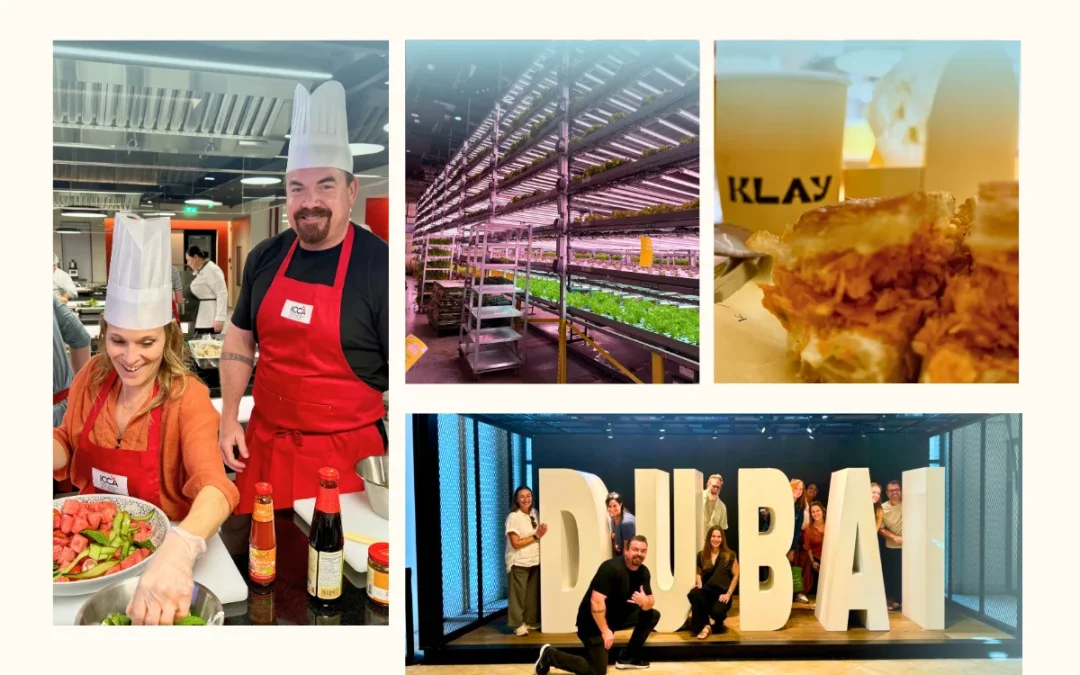
Day Two Vertical farms, paratha buns and culinary school
Flavor Trends, Strategies and Solutions for Menu Development[google_sidebar_ad...
