






Saba, also known as grape syrup or grape molasses, plays well in both the sweet and savory arenas, offering a fresh sub for maple syrup atop French toast or introducing a fruit-forward dimension to humus.
Finding the Next “It” Ingredient
Six high-impact foods across core flavors
Truffles and other powerhouse players have paved the way for new global ingredients to break onto the culinary scene, making their merits known—and relished. With so many potential options, it can be challenging to know where to start. Here, we zero in on a single ingredient for each of the five basic flavor notes—sweet, salty, sour, bitter and umami—plus a bonus spicy pick. Each is ready to fuel future-forward menu concepts and, perhaps, become the next “it” ingredient.
1Sweet: Saba
Maple and honey varietals have opened the door to nuanced sweetness with depth of flavor over saccharine extremes. Saba, an Italian grape syrup, hits the sweet spot—literal and figurative—in multiple ways. Its “natural” origins (compared to refined sugars) appeal to more health-conscious consumers, and in terms of flavor, it subverts expectations, with fruity-sweet and subtle sour flavors. Additionally, saba’s syrupy texture lends itself to a litany of sweet and savory applications. Ideas for implementation entail: swirling into labneh or hummus; blending into a dirty soda; pouring as a syrup atop pancakes, waffles or French Toast; tossing with roasted fruits or root vegetables; glazing over chicken wings; and drizzling over Gorgonzola risotto.
Try This
Grape Syrup Butternut-Portobello Taco: roasted portobello + butternut squash wedges + saba syrup drizzle + feta crumbles + spiced pepitas + white-corn tortillas
2Sour: Black Lime
Hibiscus and yuzu have proven the menu potential of sophisticated, bright sour notes. Consumer appreciation of new tongue-tingling experiences leaves the door wide-open for next-level sour exploration.
Black lime offers an assertive lime tanginess, fermented salty undertones and subtle smokiness. While its name may be less familiar to consumers, its fragrant flavor delivery is not. Ideas for implementation entail using it whole as an infusion into slow-cooked, birria-style carnitas stews; sprinkling as a finishing touch over broths and soups; powdering into a bevy of global spice blends; zesting as a salad dressing enhancer; juicing into pesto, dips, chutneys and barbecue sauces; or reducing into a simple syrup for a dark rum cocktail or Thai coconut milk ice cream.
Try This
Savory Power Congee: red rice congee (cooked in chicken broth) + peppered bacon crumbles + poached egg + chives + crispy frizzled onions + black lime powder dusting
3Salty: Caper Berries
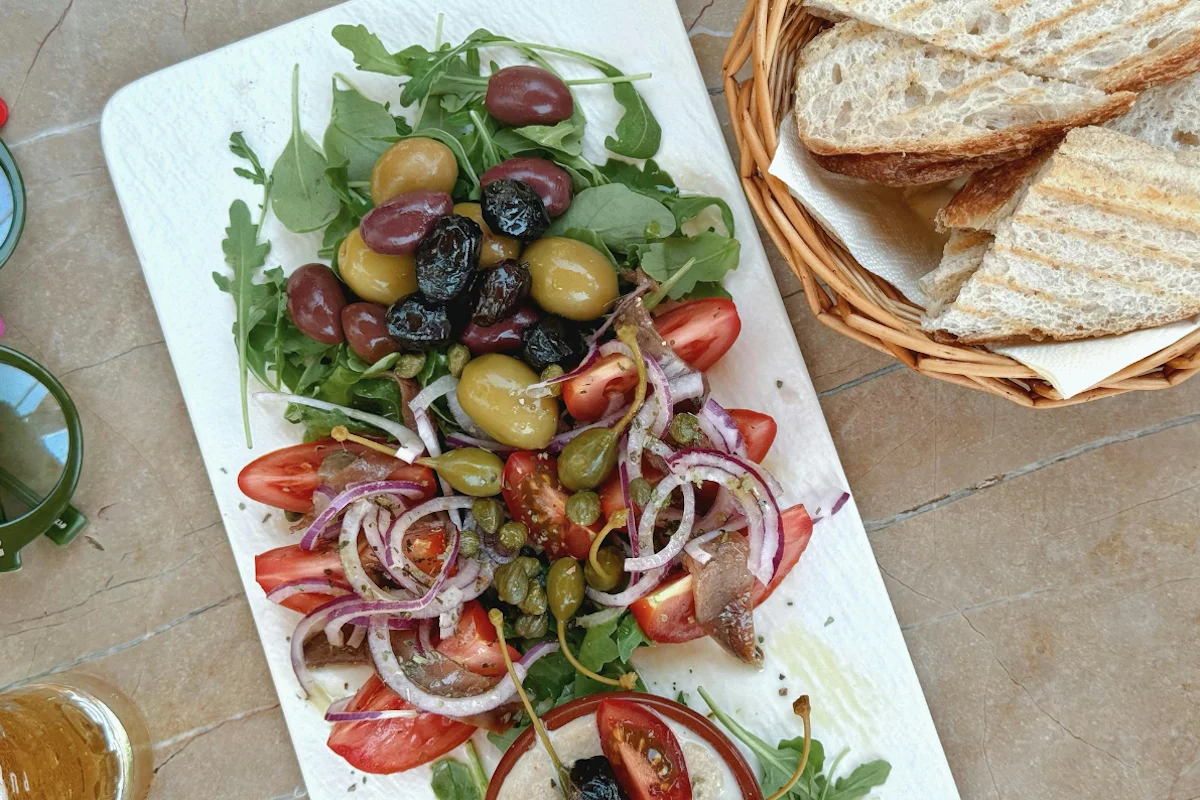
Similar in appearance to olives but with the same flavor profile as their better-known buds, caper berries brighten other notes while also bringing salty, lemony undertones.
In recent years, the proliferation of gourmet sea salts and caviar has set the stage for fresh ways to amplify flavors via sublime saltiness. Bold flavor blasts and intriguing textures are the current salty battle cry, with caper berries poised to reign as champion. While capers (the plant’s tiny flower buds) are commonplace enough, their berries remain under the radar.
These plump, olive-shaped beauties add high visual appeal, whether presented stemmed or sliced. Their soft-and-crunchy, seeded texture and lemony, salt-brined flavor are ideal for cutting through richer foods. Ideas for implementation include garnishing a cocktail with a whole caper berry; adding it to a portable charcuterie cone; slicing as a creative pizza or salad topping; chopping into potato salad; or stirring into a tomato sauce.
Try This
Caperliscious Chicken Sandwich: fried chicken breast + sliced caper berries + butter lettuce leaf + tomato slice + caper aïoli + brioche bun
4Bitter: Cacao Nibs
If there were ever any doubt that bitter can be a craveable flavor, look no further than Americans’ collective worship of coffee and dark chocolate, plus the popularity of grapefruit, radicchio and kale. Looking forward, refined bitter flavors that deftly balance other tastes will play a more prevalent flavor role on menus.
Cacao nibs may be small, but they are mighty. With a satisfying, crunchy texture contrast that delivers chocolatey, fruity and earthy notes, cacao nibs are the irresistibly bitter side of dark chocolate. Ideas for implementation include sprinkling atop ice cream, donuts or cupcakes; stirring into nut butters; garnishing a meaty chili; or tossing in strawberry-spinach salad.
Try This
Dreamy Cacao-Pistachio Babka French Toast: chocolate babka French toast + pistachio paste gelato dollop + liberal sprinkle of cacao nibs
5Umami: Nutritional Yeast
Miso and soy sauce have paved the way as a savory behind the scenes, yet highly influential, umami flavor unifier. Big umami experiences are poised to shine front and center, providing next-gen nutrition while adding dimension to everything they grace. Nutritional yeast is an easy-to-apply, flavor-boosting game changer ready for its time in the spotlight. Flakes of nutritional yeast transform an array of dishes, providing an instant, rich, Parmesan-like cheesy, nutty flavor. Ideas for implementation are: substituting in place of Parmesan over pasta; stirring into creamy polenta/risotto; tossing with roasted potatoes and other veggies; or seasoning bar snacks like nuts.
Try This
Wok-Fired Sambal “Parm” Brussels: wok-fired Brussels sprout slices + sambal oelek-honey glaze + nutritional yeast coating
6Spicy: Berbere Spice
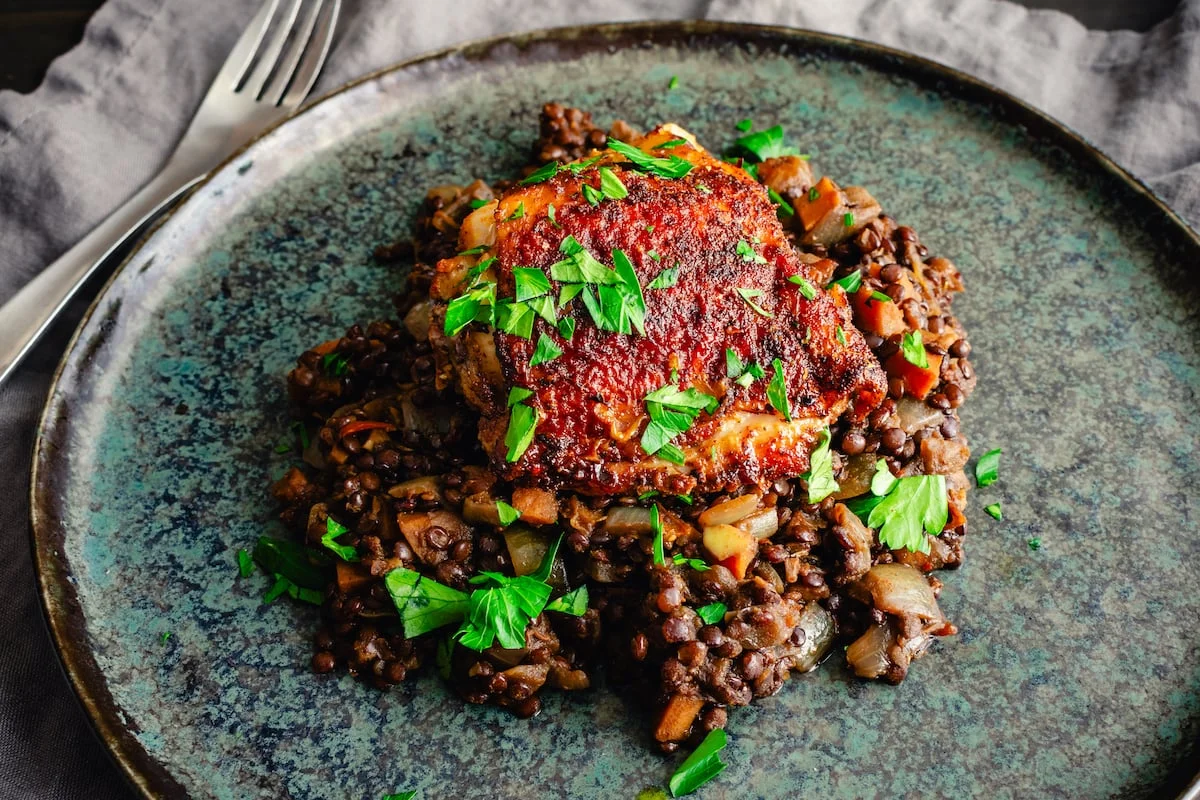
Berbere spice blend is a foundational ingredient in Ethiopian cuisine but its complex flavor profile is ideal for cultural mash-ups, from bringing richer undertones to burgers to heating up mango slices a la Tajín.
The popularity of ingredients like chipotle and wasabi speaks to the demand for lingering heat and tenacious warmth that open the palate and senses. Consumers’ desire to be transported by global spiciness shows no intention of slowing down. Paired with the evolution of clean eating, spicy-hot ingredients can bridge the flavor gap, easily adding punch with minimal calories.
Berbere spice is an aromatic, fiery Ethiopian darling of a complex spice blend. Although typically featuring chile, paprika, ginger, garlic, fenugreek, coriander, cardamom, cloves and cinnamon, berbere seasonings offer operators the flexibility to craft their own signature blend. Furthermore, its superpower lies in elevating familiar foods through a worldly twist. Ideas for implementation entail: an alternative seasoning for fajitas or burgers; a modern poke seasoning; a blackening spice for fish; an infused oil marination on meat or vegetable kabobs; or a vibrant flavor dusting on fresh mango slices.
Try This
Double Berbere Tibs Mac: classic mac and cheese + Ethiopian (beef) tibs + berbere-spiced panko breadcrumbs topping
About the Author
 Rob Corliss is a three-time James Beard House guest chef with more than 30 years of experience that includes running world-class hotels, launching new concepts, working in top marketing agencies and owning the culinary consultancy ATE (All Things Epicurean) since 2009. Based in Nixa, Mo., ATE has an energizing passion focused on flavor innovation and is dedicated to connecting people to their food, environment and wellness. Rob is also a regular contributor to Flavor & The Menu.Read More Stories by Rob Corliss
Culinary Versatility in a Nutshell Crack open the many ways to get more from walnuts
Flavor Trends, Strategies and Solutions for Menu Development[google_sidebar_ad...

Generation Next: Across the World for a Sweeter Beginning The future of food is evolving, one culinary student at a time
Flavor Trends, Strategies and Solutions for Menu DevelopmentCaera Stone (right) profiled her friend...

Modernizing Five Classic Dips Easy upgrades to enhance the dipping experience
Flavor Trends, Strategies and Solutions for Menu Development[google_sidebar_ad adslug="2026-03-Surround-Kens-320x50"...
