

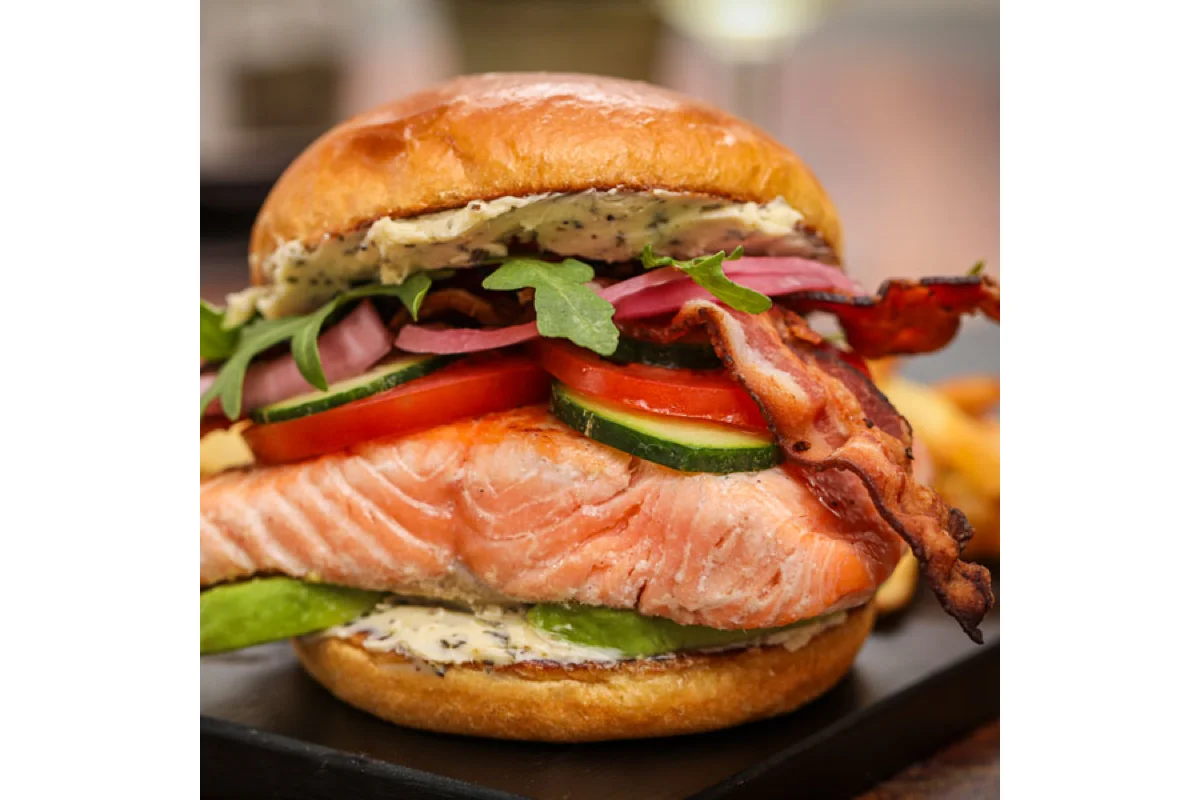
This Lemon Herb Salmon Sandwich doubles down on the citrusy-savory Lemon Garlic Herb Flavored Butter from Epicurean Butter, using it as the medium for skillet-cooking the salmon and then as a generous spread on the top and bottom buns.
Credit: Epicurean Butter
SPONSORED EDITORIAL
Flavored Butter: Crafted for Impact
Seizing the advantages of a flavor compound that compounds interest
As chefs seek streamlined ways to infuse dishes with standout flavor, compound butter has emerged as an unassuming powerhouse. It is packed with potential, but light on effort, bringing distinctive, often indulgent, flavor dimension to the plate.
This is not news to chefs trained in classic French cuisine, who have relied on butter and compound butter for centuries. “They were often ‘secret recipes’ that delivered a signature flavor unique to a restaurant or dish,” says Rick Prow, R&D chef/procurement manager, Epicurean Butter. Today, the secret is out, as restaurants tout their use of flavored butter in menu descriptions, hoping to attract guests intrigued by cues that promise an elevated dining experience.
Compound butter has long graced the top of a premium steak, been delivered with warm, crusty bread or crowned a stack of fluffy pancakes. But truffle butter on french fries? Garlic butter mixed with mozzarella on pizza? Tomato-chipotle butter spiking fajitas? Use of chef-created compound butter can provide a new translation of favorite menu items—and provide foodservice operators with signature takes that command buzz and drive return visits.
Trend watchers are reporting strong opportunity in the overall butter category. According to Technomic, fats and oils are projected to grow over the next year, highlighting the value in operator experimentation with flavored butter. In addition, the company’s recent
“State of the Menu” snapshots see “indulgence” and specialty toppings growth across dayparts; this is an umbrella that’s a perfect fit for flavor play with compound butter.
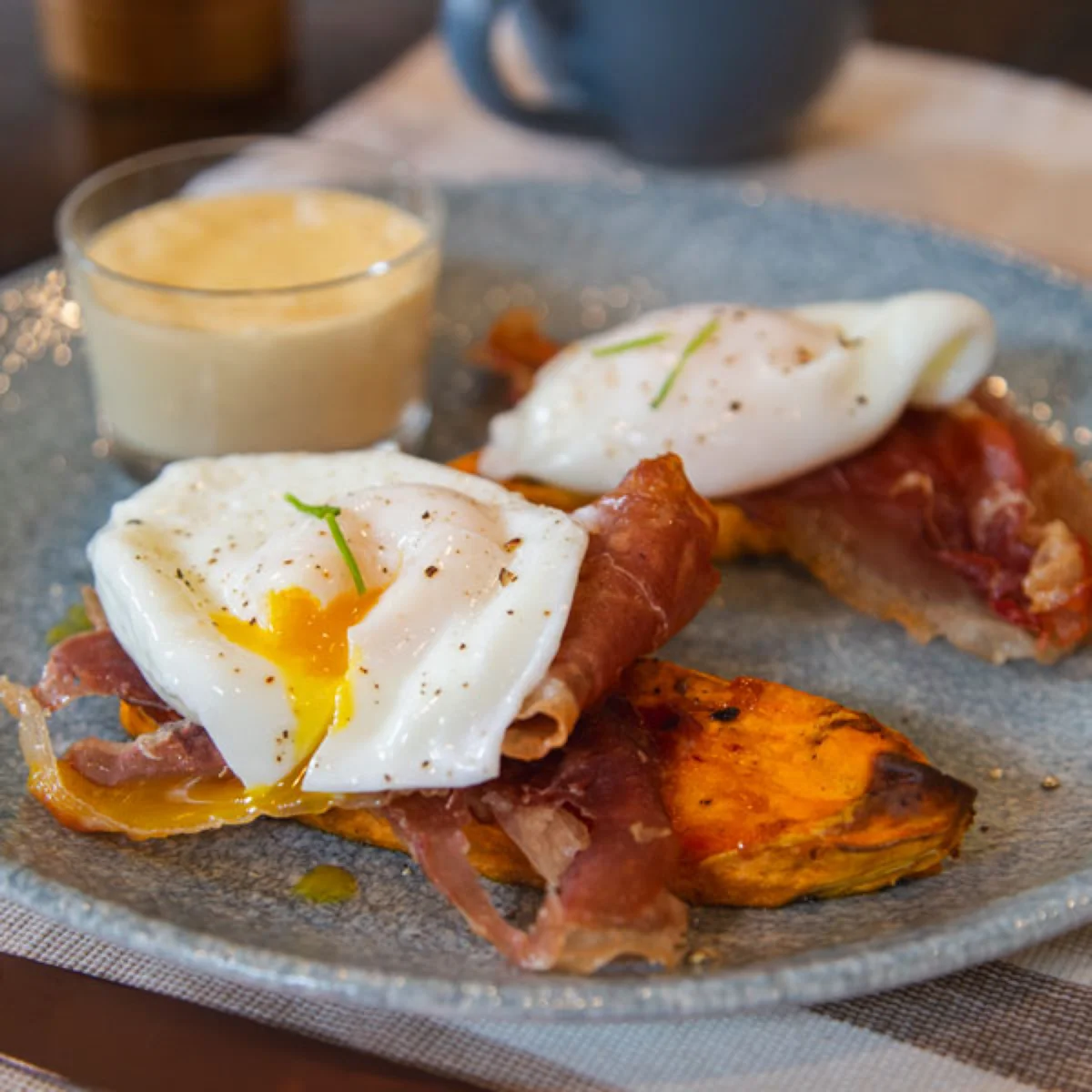
Up the flavor ante on the classic eggs Benedict by replacing a traditional hollandaise with one made with A.1. Steakhouse Butter from Epicurean Butter. The infusion of bold, savory notes packs a memorable punch.
COMPLEXITY, COMPOUNDED
There may be no easier way to drive menu innovation, given the countless flavor profiles that compound butter can inject into dishes. “Today’s chefs see butter as an ideal ingredient for delivering big spice and herb flavors across diverse cuisines,” says Prow. “When we launched in 2004, customer demand centered around traditional flavors like garlic butter or Maître d’ butter, the classic French compound butter. Now, we see butter used as a tool for much more innovative flavor delivery, such as Black Truffle Butter or Ginger Umami Butter.”
While flavored butter can tap into the global pantry, bringing new fusions to the fore, the wealth of inventive opportunities in this space are worth a deeper dive in their own article. Here, we drill down on ways to key into sweet and savory—both in the flavored butter and in the menu application. These are broad categories to explore and make for a good starting place for using compound butter in recipe refreshes or new menu item ideation.
For operators not yet ready to push at the edges of the envelope in flavor play, there are still many on-trend butter flavors that will lift your menu. To up the ante for your savory game, Prow suggests:
- Roasted Garlic Herb Butter—This fairly traditional compound butter features bold flavors and boosts the profile of sautéed vegetables or wild game. A less-conventional application is to use it as a base layer on your pizza crust!
- Chipotle Lime Butter—This delivers spice and acidity, so it will pair well with high-fat proteins, like a skirt steak or a ribeye.
- A.1. Steakhouse Butter—This new offering from Epicurean Butter combines iconic A.1. Sauce with fresh garlic and herbs. “It’s great for blending into mashed potatoes or topping a grilled New York strip,” says Prow.
Sweet stars in the flavored butter firmament include:
- Cinnamon Brown Sugar Butter—This can enhance a stack of pancakes or French toast or be used as an ingredient when baking croissants or sweet biscuits.
- Maple Syrup Butter—With a taste of rich, Canadian maple syrup that features a hint of salt, this butter flavor is ideal for numerous breakfast applications. Or spread it on the cooked sides of a grilled cheese made with Gruyère.
- Hot Honey Butter—Sweet-heat continues to dominate on menus, says Technomic, citing the hot honey trend as one that shows no signs of slowing down. In other research, Technomic found Hot Honey Butter featured in a top-five list of appetizers and sides (specifically on a baked sweet potato). This compound butter flavor relies on a sweet honey varietal, delivering a slightly acidic and spicy finish. “It’s great for chicken sandwiches, wings or for basting grilled pork chops,” Prow notes.
Been there, done that? Chefs eager to position themselves on the leading edge of a trend might want to take inspiration from these suggestions offered by Prow, where the chef likes to “go a little crazy” with flavor combinations.
Ponzu Black Truffle Butter (Savory): “This is an umami-rich flavor bomb that works on anything and everything from burgers to crab legs,” he notes.
Meyer Lemon Blueberry Butter (Sweet): These fruits offer a classic sweet-tart combination, says Prow, noting that it’s effective as an ingredient in baked goods, while also being good on various breakfast items.
Elote Butter (Savory): Tap the flavor components of the ever-popular Mexican street corn, which is becoming a bona fide flavor system. Here the butter features classic creamy cotija and lime, with a touch of smoky chile, says Prow. “It works well with corn dishes, including brushing on cornbread.” He also recommends it as an option to sauté an array of different vegetables.
Agave Habanero Butter (Sweet): “The flavor of sweet agave is finished with a punch of heat from fresh habanero purée, cilantro and lime,” explains Prow. “It’s great for sautéed shrimp or to baste mahi-mahi.”
Black Garlic Herb Butter (Savory): The butter variety features traditional garlic butter flavor notes, but is elevated, producing a bold, funky, fermented garlic and umami undertone, says the chef.
Bourbon Maple Butter (Sweet): Building on the popularity of maple butter, this is a sweet-savory combination that works particularly well for finishing smoked meats and topping steaks.
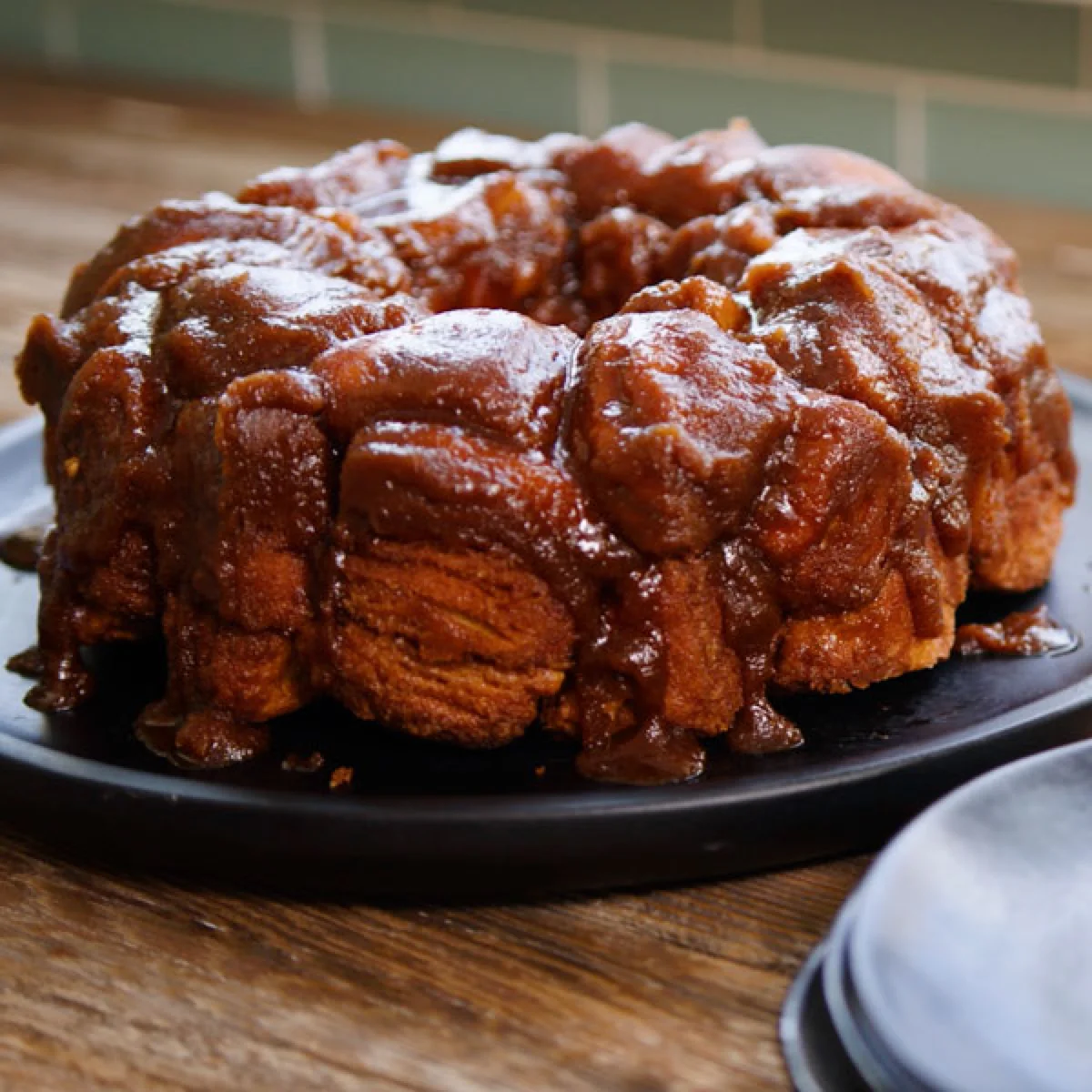
Tear-and-share breads are trending, finding particular appeal among Gen Z diners who seek social experiences. Flavored butter is a great way to add a signature spin. This Cinnamon Pull-Apart Monkey Bread uses Cinnamon and Brown Sugar Flavored Butter from Epicurean Butter in a craveable glaze.
A PORTFOLIO THAT IS ALWAYS PERFORMING
Epicurean Butter can further streamline the menu reinvention process, supplying a broad range of chef-created flavored butter in various formats and pack sizes (bag-in-box, tubs, dollops, squeeze packets). Consistency is the marquee benefit here. While some butter flavors may be relatively “easy” for a restaurant kitchen to produce in-house, doing so in larger volumes that are consistent in flavor, texture and overall quality is another challenge altogether. If measurements are slightly off or a mince or chop isn’t performed and blended the exact same way every time, it can impact the flavor of an entire dish.
“As labor becomes more of a challenge in the restaurant world, we’ve found a niche in providing high-quality, bold butter flavors with consistency and cost savings,” says Prow. These are top qualities sought after by modern chefs who refuse to compromise on flavor integrity or ingenuity.
Epicurean Butter stands ready to partner with customers who want to develop a signature product unique to their brand. “Our use of fresh, high-quality ingredients and the ability to customize flavor profiles to suit any chef’s needs creates great opportunities to partner and develop the ‘right’ flavor, packaging, portion control and consistency. Our development process sets us apart as a leader in the category,” notes Prow. “Over our 21 years in business, we have learned a thing or two about how to develop flavor and be a great partner in flavor delivery.”
The team at Epicurean Butter understands the premium that many chefs place on scratch-prepped menu items. But as budget belts tighten in foodservice, use of pre-flavored ingredients offers numerous benefits, as outlined in How Use of Pre-Flavored Ingredients Can Improve Your Restaurant Operations, an 11-page digital download the company produced to highlight the value of their products and others in this category.
As noted above, consistency is a top value. Another advantage is menu simplification and optimization. Flavored butter is a multi-use item that can be applied across the menu as a signature flavor without in-house prep every time it gets added to a new dish. Products like Epicurean Butter’s portfolio also can help kitchen teams improve efficiency and reduce errors that might arise through staff turnover and continual training. They can also have a positive impact on shelf life and food waste.
SPREAD THE WORD
Foodservice chefs know and understand the valuable role that butter plays in both recipe preparation and as a condiment or topper. But they may be overlooking just how much depth and impact that chef-created butter can bring to the flavor game. It’s simply smart strategy to explore a butter way forward.
Click here to learn how you can partner with Epicurean Butter to elevate menus across all dayparts.
Culinary Versatility in a Nutshell Crack open the many ways to get more from walnuts
Flavor Trends, Strategies and Solutions for Menu Development[google_sidebar_ad...
Generation Next: Across the World for a Sweeter Beginning The future of food is evolving, one culinary student at a time
Flavor Trends, Strategies and Solutions for Menu DevelopmentCaera Stone (right) profiled her friend...
Modernizing Five Classic Dips Easy upgrades to enhance the dipping experience
Flavor Trends, Strategies and Solutions for Menu Development[google_sidebar_ad adslug="2026-03-Surround-Kens-320x50"...
