




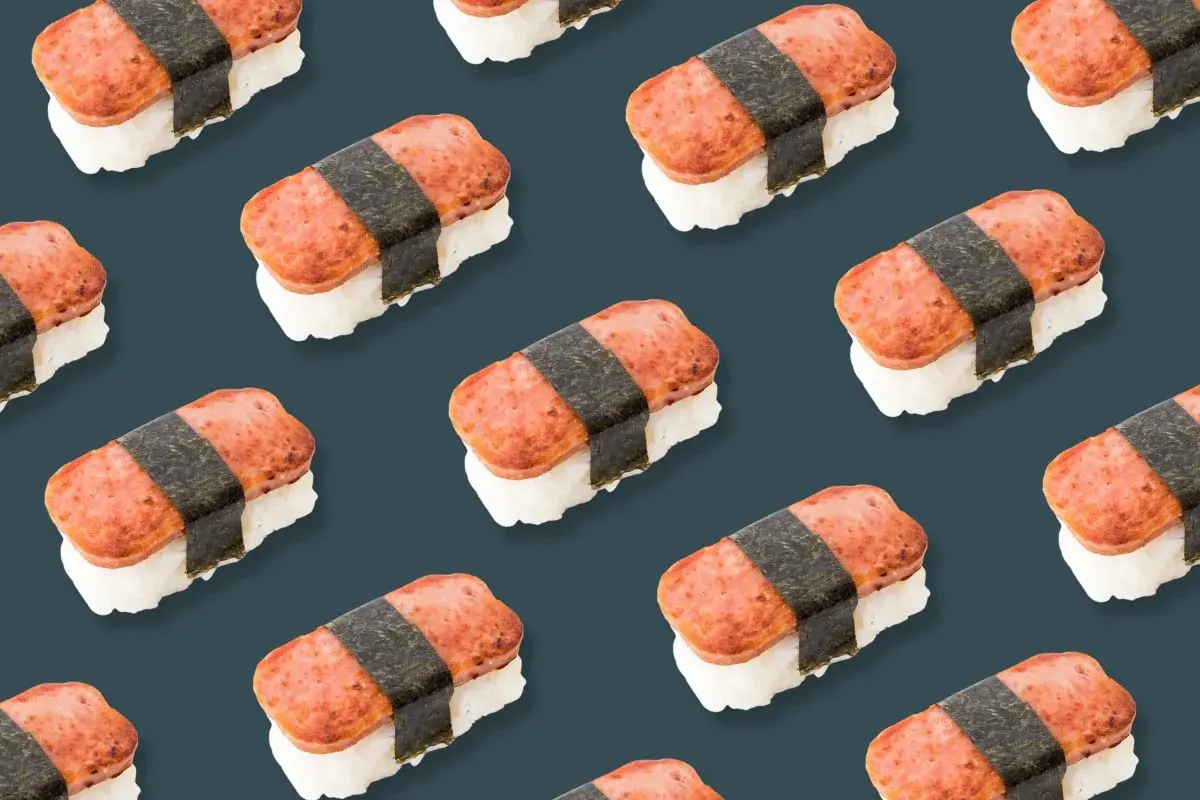
With a unique culinary backstory and format flexibility, musubi is demonstrating broader menu potential beyond its comfort food roots.
Flavors on the Edge: Musubi
Translating Hawaiian comfort onto mainstream menus
The classic Spam version remains iconic, but musubi is poised for flavor adoption far beyond its origins. Operators are already swapping in proteins like mojo pork, bulgogi beef, fried chicken and shrimp tempura. Sauces, condiments and seasonings, from gochujang mayo to furikake, add both craveability and global flair. Musubi’s snackable format hits squarely on consumer demand for portability, personalization and bold flavors in smaller bites.
For menu developers, musubi represents more than Hawaiian comfort food: It’s an endlessly customizable flavor carrier—even leaving the friendly confines of rice wrapped in nori. From bowl builds and baked goods to premium riffs with unagi or Wagyu, musubi’s evolution reflects today’s culinary landscape where format familiarity meets limitless possibility.
Flavors on the Edge is an ongoing series that explores emerging ingredients poised to become high-impact flavor builders.
You May Also Like

Day Four Markets and the Desert
Flavor Trends, Strategies and Solutions for Menu Development[google_sidebar_ad...

Day Three Gulfood, panoramic views and late-night libations
Flavor Trends, Strategies and Solutions for Menu Development[google_sidebar_ad...
