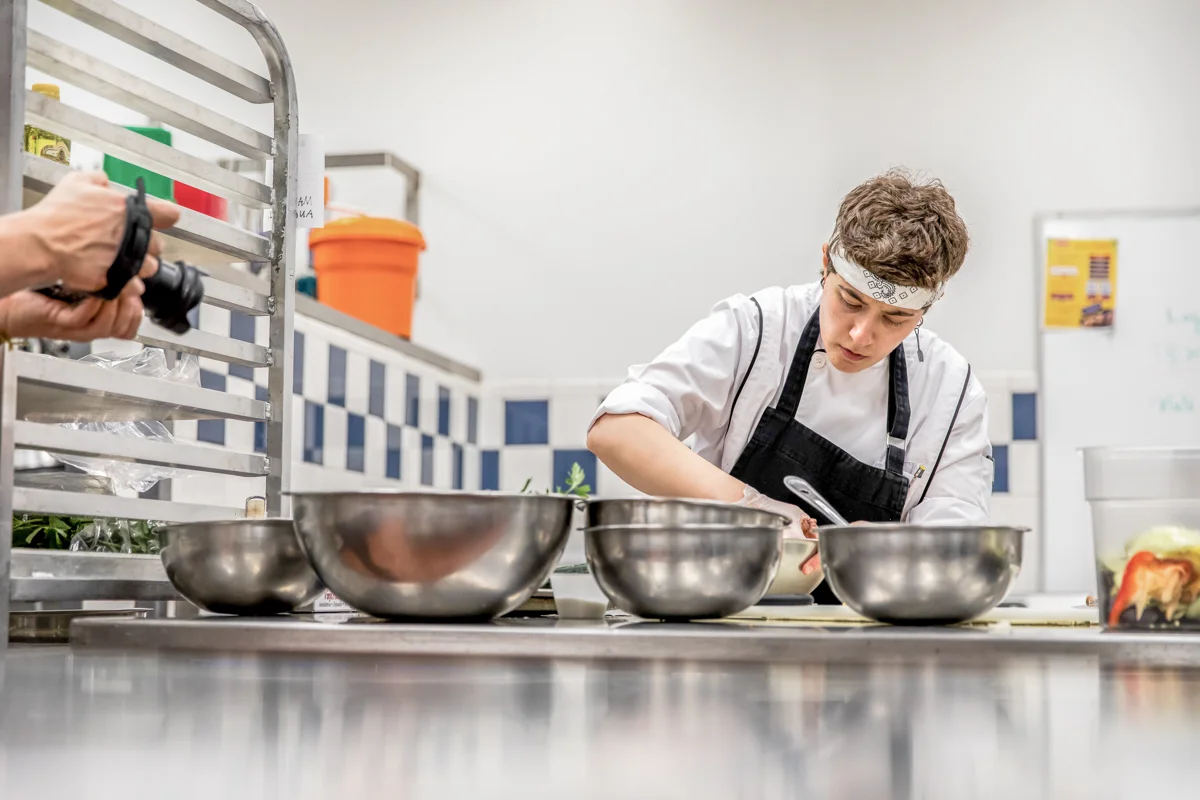
Growing up in Lebanon, Marwa Anchassi didn’t view the culinary arts as a viable career path. That all changed when she entered—and won—JWU’s Future Food Scholarship Competition.
Credit: Johnson & Wales University
Generation Next: Balancing Culinary Innovation With Lebanese Traditions
The future of food is evolving, one culinary student at a time
“Food tells a story, and it is a part of our identity,” she says. She sees food as a vehicle for connection. Her culinary approach stems from the Lebanese traditions she grew up with, with some of her earliest memories centering around family time in the kitchen.
Anchassi’s path to culinary school at Johnson & Wales University (JWU) took a unique path. Growing up, her family emphasized education as the pathway to a different future; her mother worked in administration at a small college, and her father worked in construction. Anchassi and her two siblings excelled academically and earned merit scholarships. In her secondary school graduating class, she was the only student who would go to the U.S.
In 2021, she left Lebanon to attend Smith College in Massachusetts on a full scholarship. As it so happened, one of the college’s most celebrated alums was Julia Child, a childhood hero of Anchassi’s. At Smith, Anchassi pursued a bachelor’s degree in Quantitative Economics with a focus on Community Engagement & Social Change, graduating in December 2024. Her choice was practical; culinary arts was not considered a “real” degree in her family or in Lebanon, but her passion never dimmed. She pursued every food-related job she could and carved out time between studies to cook. She even wrote her economics capstone on the relationship between food insecurity and crime.
The pivotal moment that shifted her path came when she entered JWU’s Future Food Scholarship Competition. Though she had no formal training, Anchassi won first place—and a full-tuition scholarship to JWU.
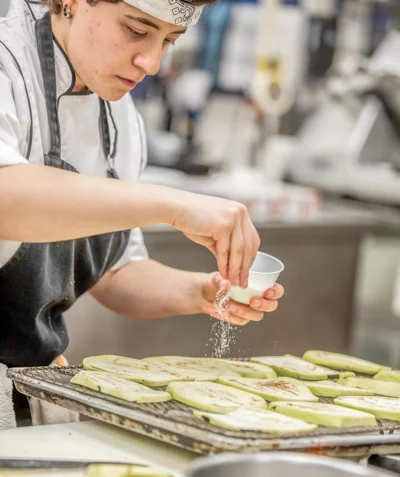
Now, she is working toward her B.S. in Culinary Arts at JWU, with plans to graduate May 2027. Through her studies, she is learning new techniques, questioning old habits and balancing innovation with tradition. Her dream is to open a Lebanese-Italian fine-dining restaurant, where the recipes and flavors of her childhood are elevated. As part of this dream, she imagines her mother in the kitchen beside her.
Beyond cooking itself, Anchassi is fascinated by the history and sociology of food. She loves researching ingredients: how they’ve spread across the globe and how different cultures have adapted and embraced them. Though she didn’t travel as a child, she grew up watching Middle Eastern cooking shows and following Western chefs even when she could barely understand the language. Food became her window into other cultures.
Anchassi’s culinary identity is perhaps best illustrated by what she calls her “holy trinity” of ingredients: cinnamon, yogurt and lemons. This trio is foundational to Lebanese cuisine, with cinnamon imparting warmth, yogurt balancing it with coolness and lemons bringing a brightness. Together, these elements create a distinctive flavor profile that Anchassi applies with authenticity and cultural pride.
“Food comes from the heart, it comes from the soul, it comes from the laughter and joy around,” she says.
About the Author

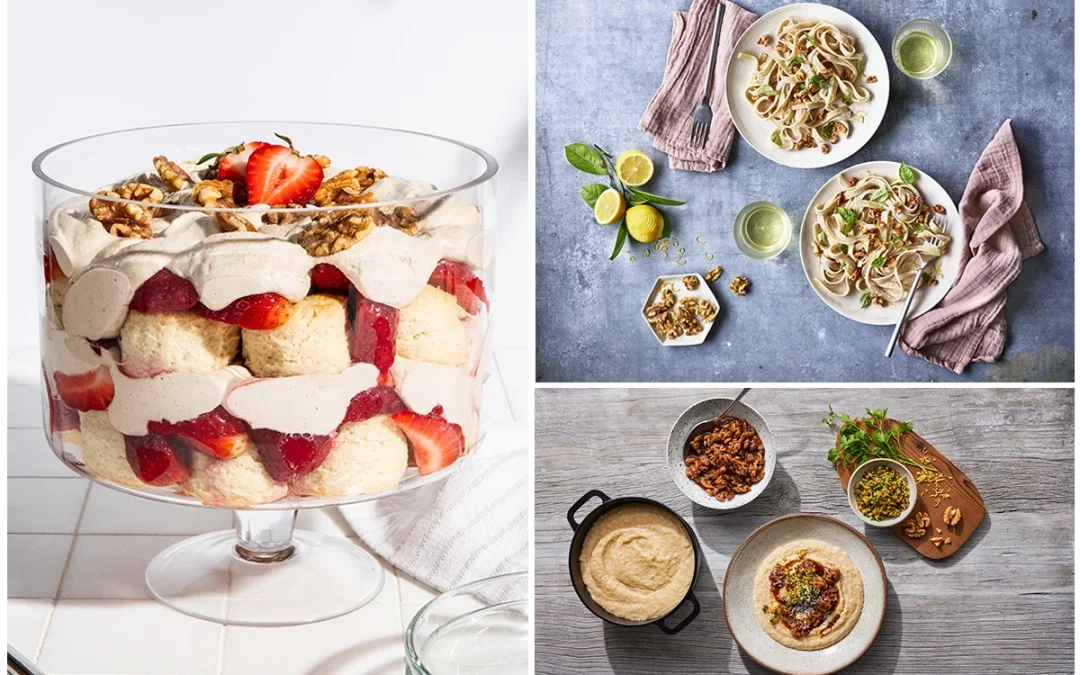
Culinary Versatility in a Nutshell Crack open the many ways to get more from walnuts
Flavor Trends, Strategies and Solutions for Menu Development[google_sidebar_ad...
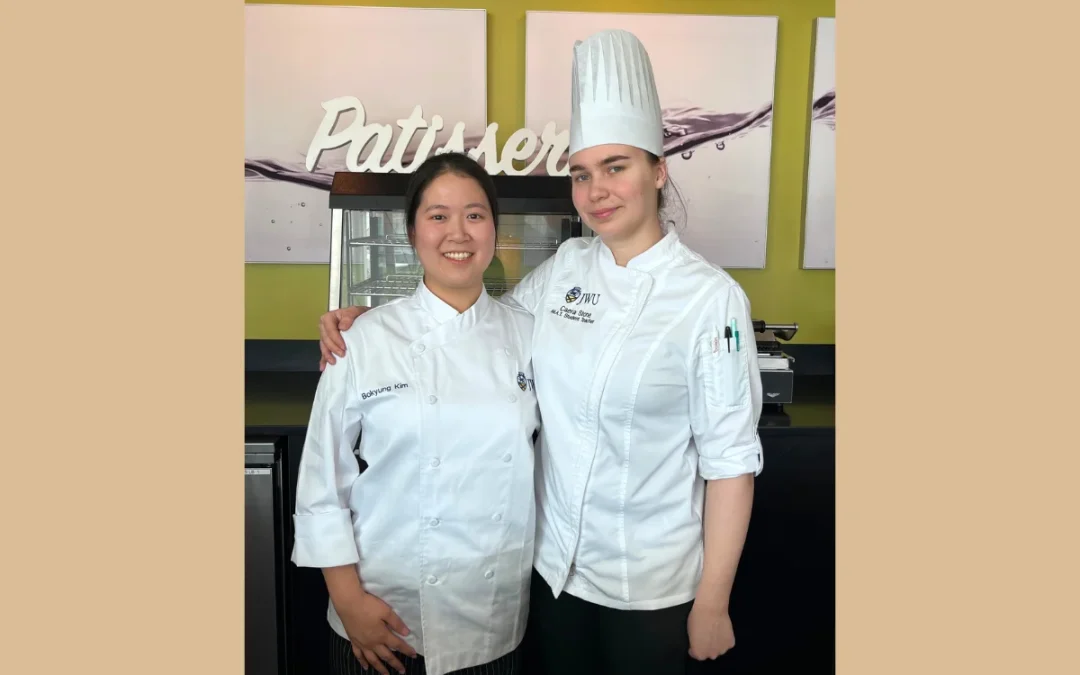
Generation Next: Across the World for a Sweeter Beginning The future of food is evolving, one culinary student at a time
Flavor Trends, Strategies and Solutions for Menu DevelopmentCaera Stone (right) profiled her friend...
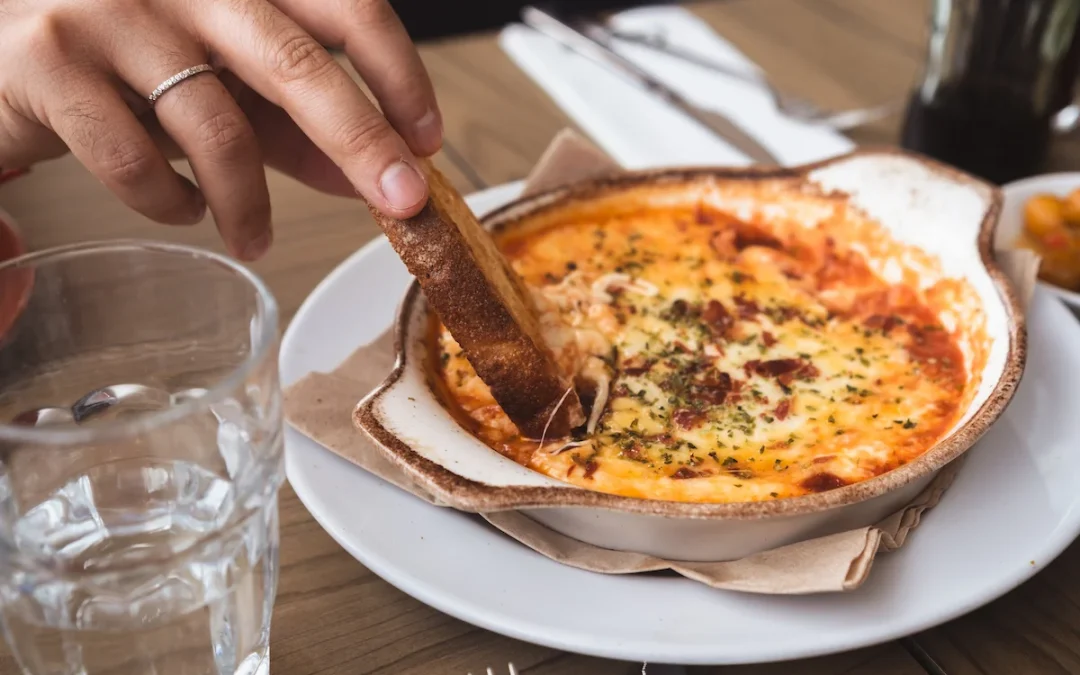
Modernizing Five Classic Dips Easy upgrades to enhance the dipping experience
Flavor Trends, Strategies and Solutions for Menu Development[google_sidebar_ad adslug="2026-03-Surround-Kens-320x50"...
