




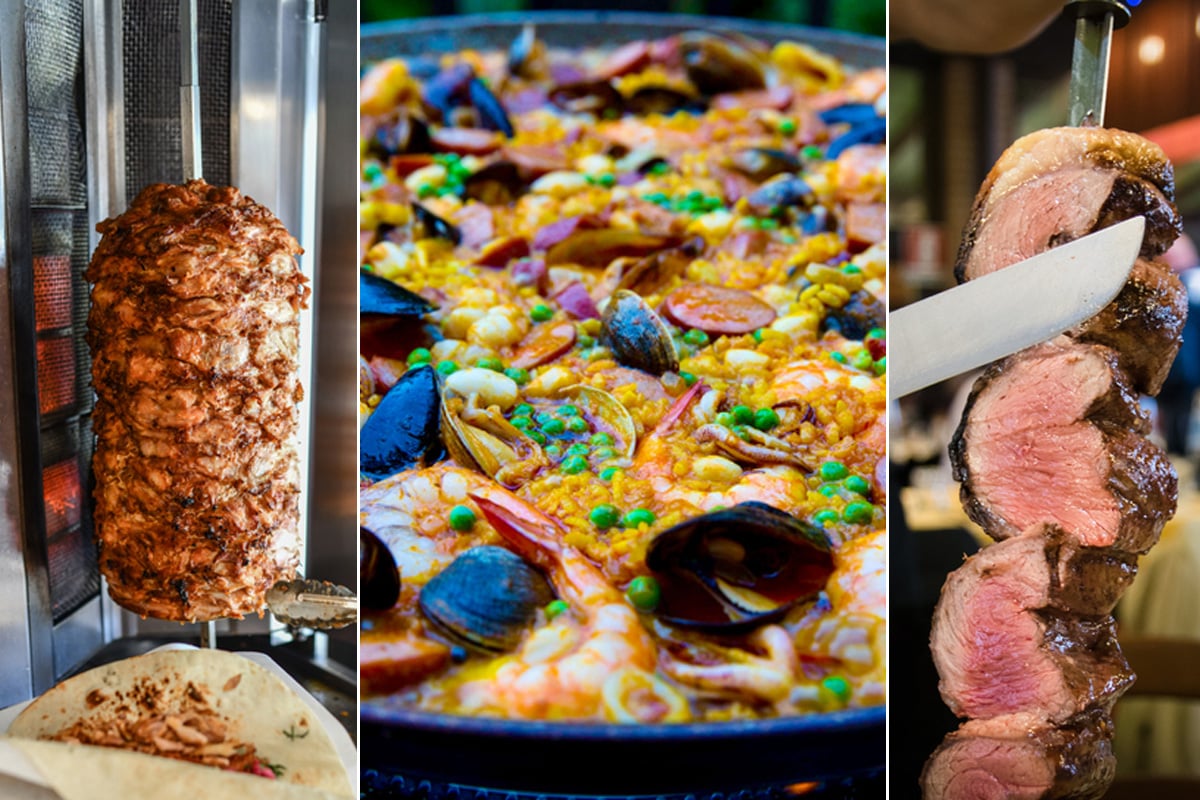
Shawarma, Paella and Churrasco
Service with a bit of showmanship
Many Korean barbecue proteins have eclipsed their original formatting, appearing in a number of global mash-ups and carriers (with tacos being an especially popular handheld). While these fresh takes demonstrate the versatility of bulgogi, galbi and other Korean meats, the original format is hard to surpass in terms of experience-forward dining. “The hands-on component transforms a simple meal into a memorable event, leaving guests feeling satisfied not just by the delicious food, but by the fun, interactive experience they’ve shared,” says KPOT’s Farrell.
The brand’s Korean barbecue options are just as plentiful as its hot pot choices, with the protein section accounting for the lion’s share of choices. The requisite bulgogi (available in beef, spicy beef and pork) are joined by less conventional meats, including ones with global influences, such as the miso pork….The brand’s Korean barbecue options are just as plentiful as its hot pot choices, with the protein section accounting for the lion’s share of choices. The requisite bulgogi (available in beef, spicy beef and pork) are joined by less conventional meats, including ones with global influences, such as the miso pork….
You May Also Like
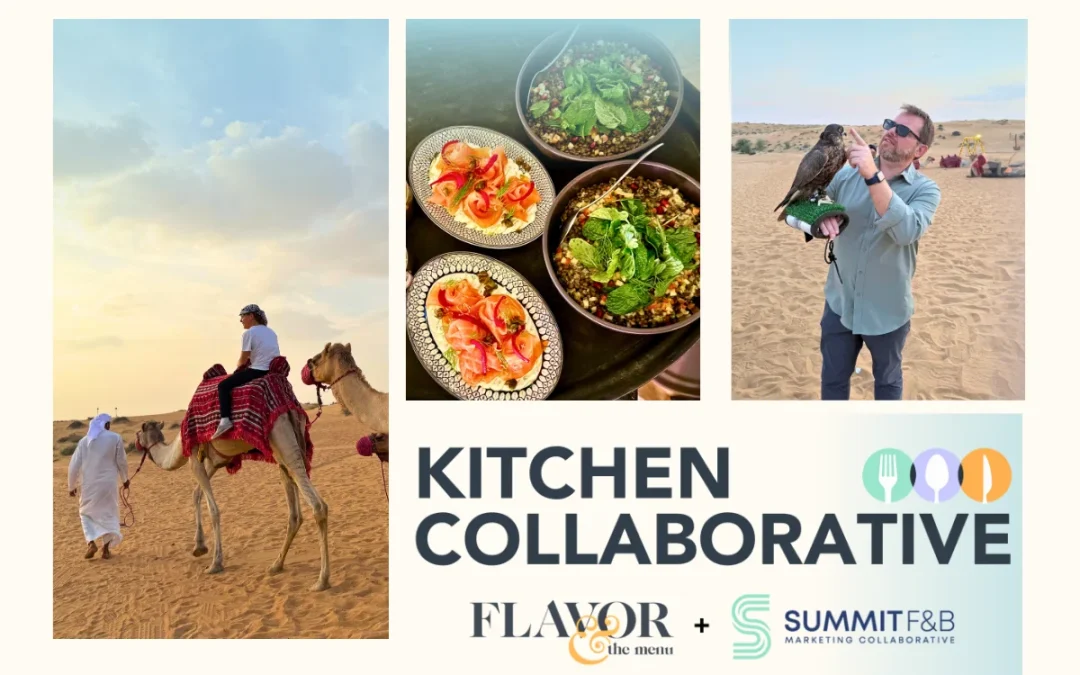
Day Four Markets and the Desert
Flavor Trends, Strategies and Solutions for Menu Development[google_sidebar_ad...
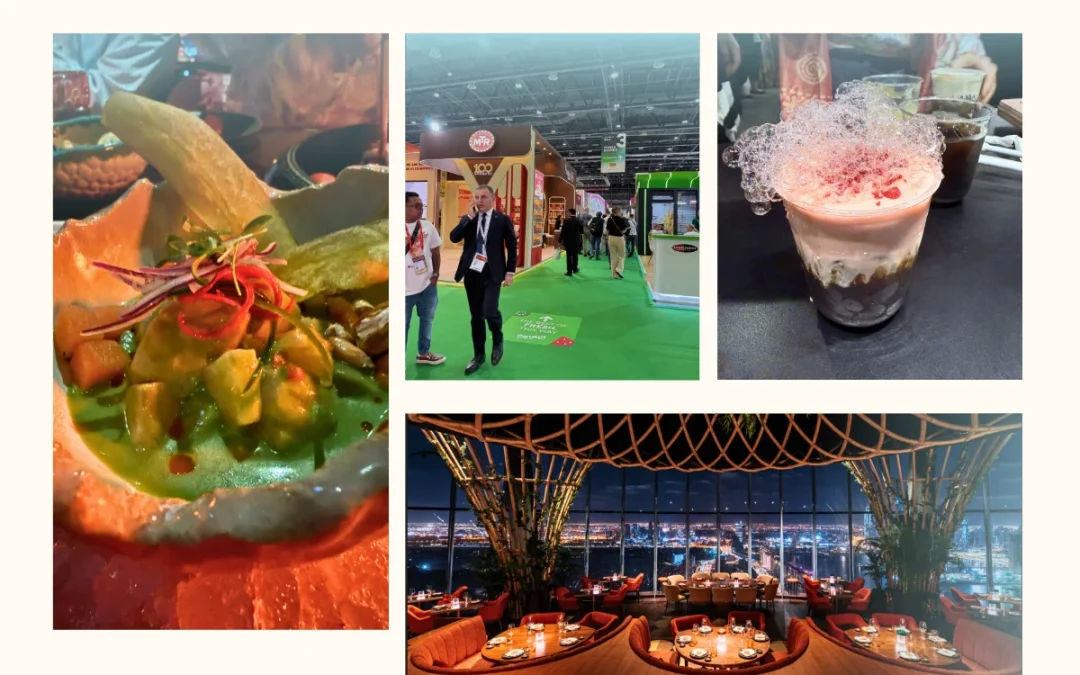
Day Three Gulfood, panoramic views and late-night libations
Flavor Trends, Strategies and Solutions for Menu Development[google_sidebar_ad...
