
Mastering Mascarpone
3 inventive takes on tiramisu
But unlike its typically savory siblings, mascarpone is already a go-to cheese for sweet dishes, given its ultra-creamy texture and slightly piquant notes. Tiramisu is a classic example, with mascarpone bridging the gap between the traditional layered dessert and fresh formats—including lighter-than-air pancakes.
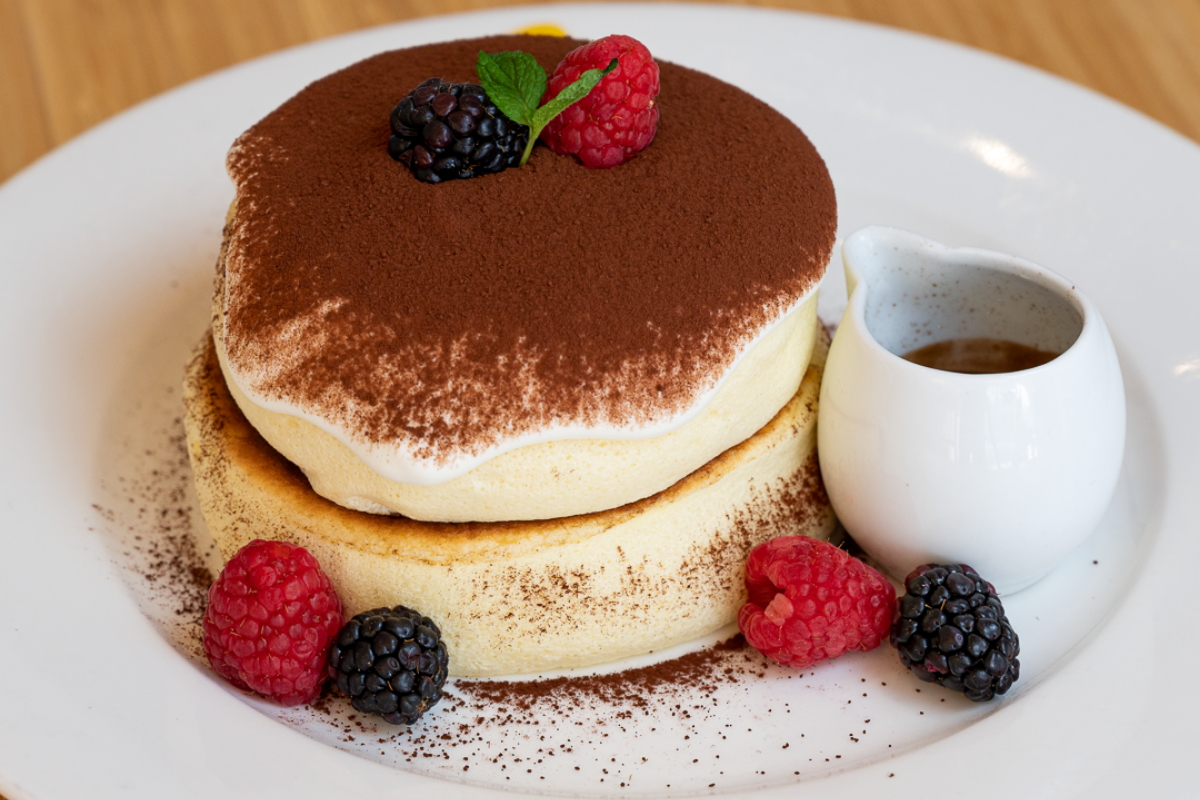 Photo Credit: Fluffy Fluffy Dessert Café
 Whipped cream, cream cheese and mascarpone form a thin layer of icing atop Fluffy Fluffy Dessert Café’s Tiramisu Pancake, bringing sweetness and a touch of tanginess.
As the name implies, Fluffy Fluffy Dessert Café is all about airy sweets, and the soufflé-like pancakes are no exception. Among the 15 variations, the Tiramisu Pancake is the best-seller. “The Tiramisu Pancake is inspired by the classic Italian favorite, expertly blending flavors of the East and West together, which is our specialty,” says Benson Lau, founder and director of business development for the Japanese-inspired multi-unit brand.
Indeed, the dish ticks off all the flavor notes of the original, albeit in a deconstructed manner. The mascarpone doesn’t factor into the pancake batter but rather is mixed with whipped cream and cream cheese for a thin layer of not-too-sweet icing. A dusting of cocoa powder and a side of coffee syrup round out the dish. “Each bite is deliciously fluffy, airy, creamy and sweet. The dessert never feels heavy. It suits the palates of all ages and cultures,” Lau adds.
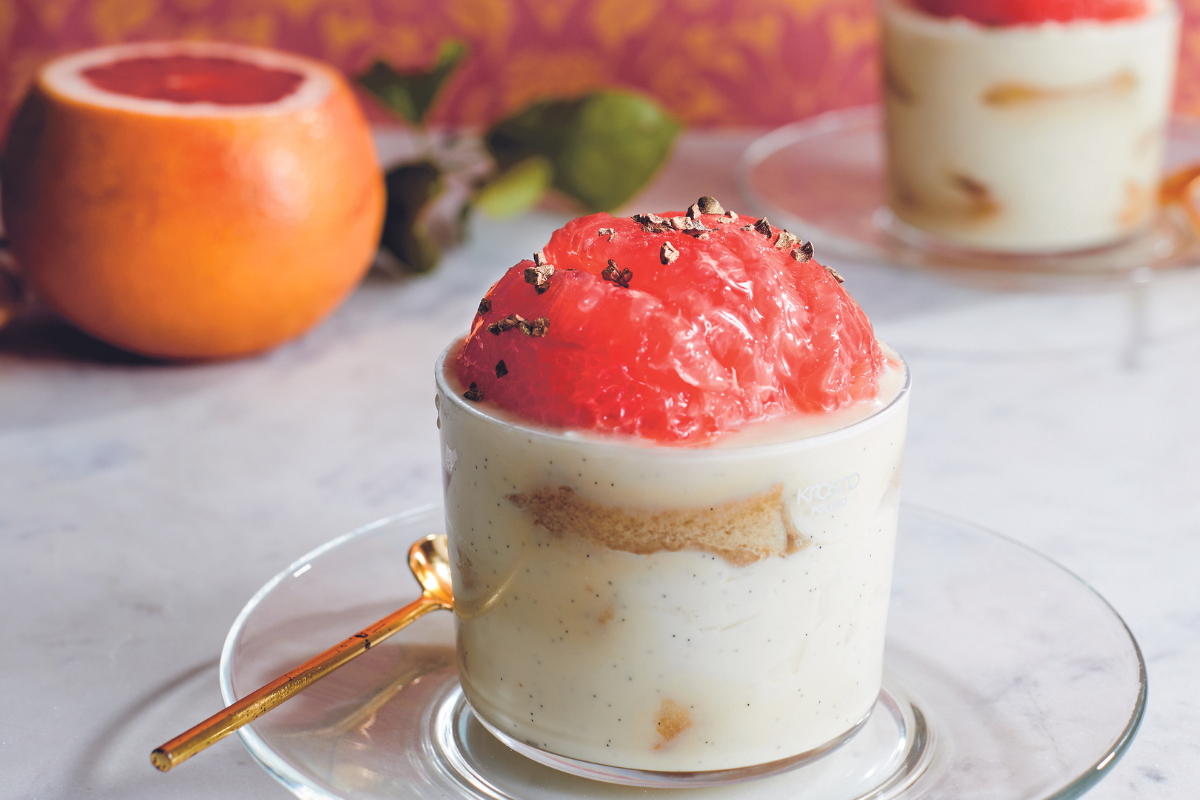 Photo Credit: Halee Holland
 Mascarpone provides a familiar touchpoint in Bakery Lorraine’s Grapefruit Tiramisu, which replaces coffee notes with zesty citrus.
Combining citrus and dairy can be a dicey proposition—milk and orange juice don’t mix, but orange-cream popsicles are proven crowd-pleasers. To that end, success requires careful flavor calibration and the right dairy product. Incorporating citrus into tiramisu is a bold move, but the Grapefruit Tiramisu at Bakery Lorraine sticks the landing, thanks in part to the traditional mascarpone base.
“It’s an unconventional flavor profile that presents itself in a familiar format,” say Anne Ng and Jeremy Mandrell, pastry chefs at the San Antonio-based concept. “It’s a light and satisfying dessert that truly is a unique twist on the classic tiramisu.”
The chefs soak ladyfingers in grapefruit syrup rather than coffee before layering them with creamy—yet slightly tart—mascarpone. A finisher of fresh grapefruit slices rounds out the refreshing dish. “The tartness of the grapefruit, with its floral and citrus notes, provides a nice contrast to the richness and creamy texture of the mascarpone,” say Ng and Mandrell. “It was met by skepticism in the beginning, but once customers taste it, they ask for it again and again.”
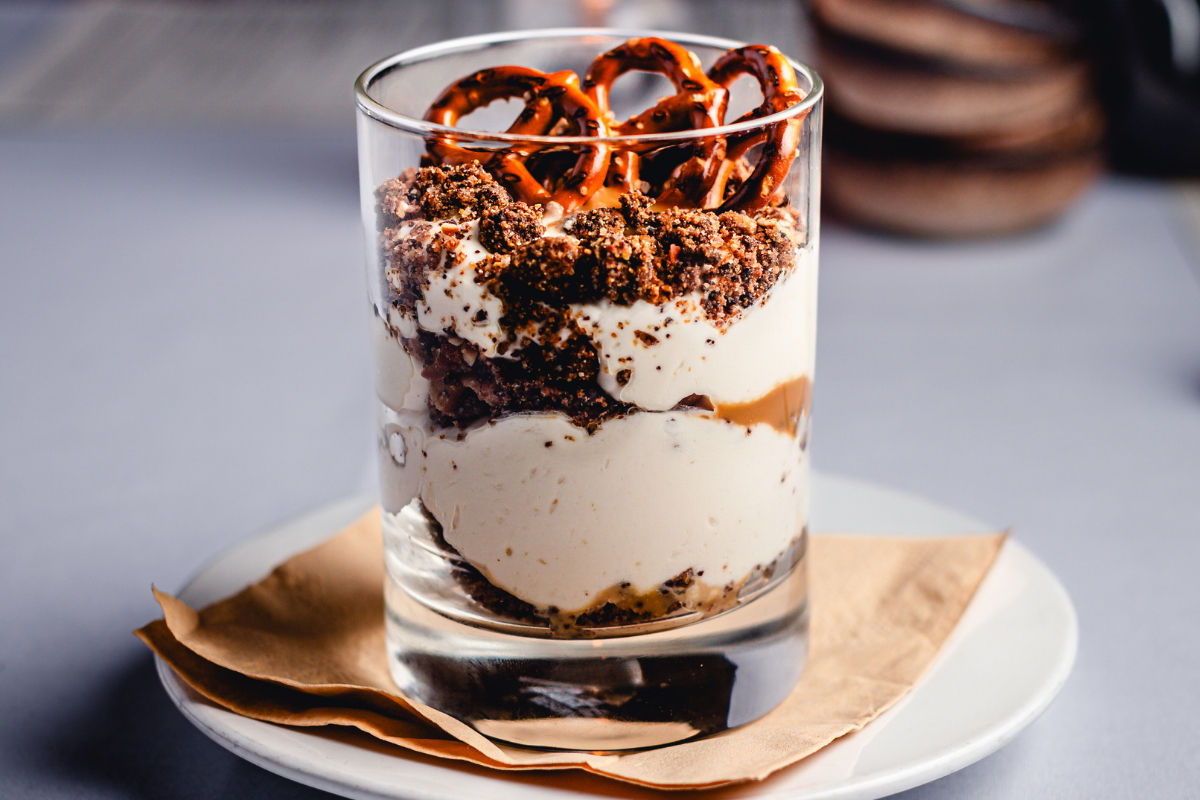 Photo Credit: Ovi Mustea
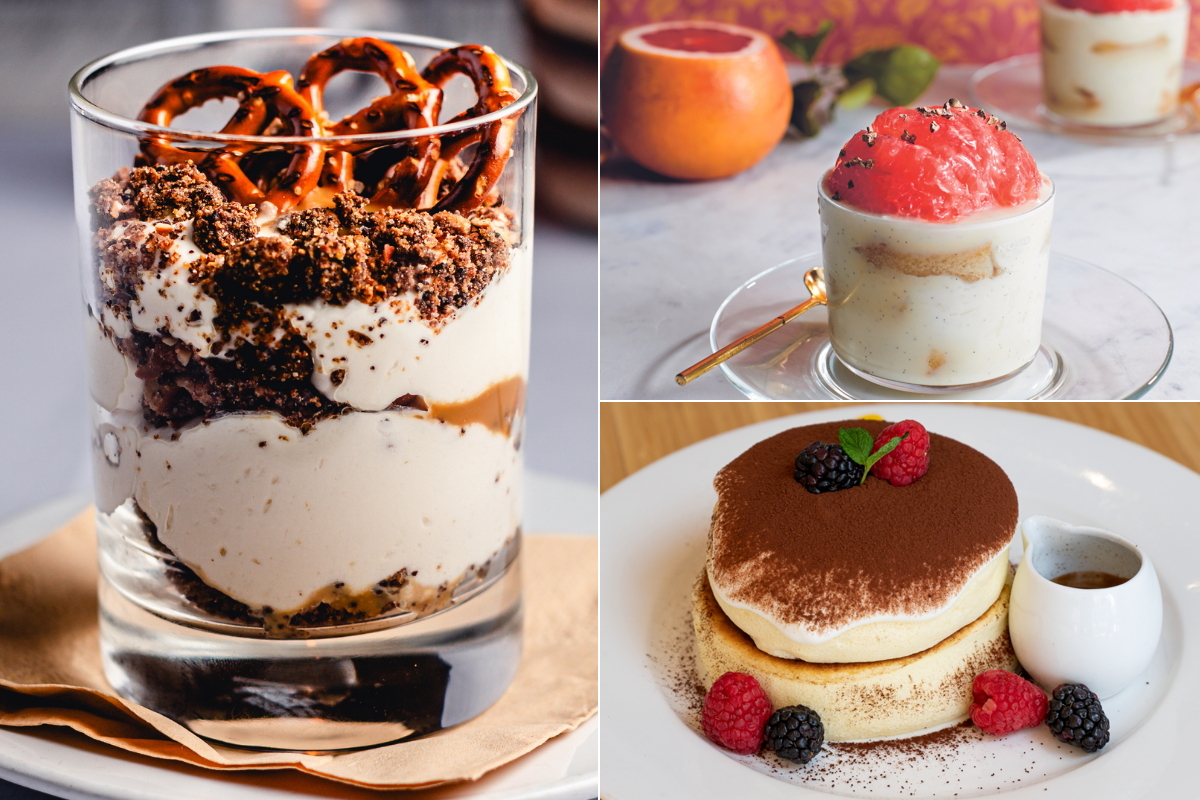
 Mascarpone cheese is combined with vanilla purée and confectioner’s sugar for a sweet, creamy base in LoLa 41’s best-selling Pretzel Parfait.
In addition to serving as a neutral base for multiple flavor combinations, mascarpone can also provide textural contrast—as demonstrated by the Pretzel Parfait at LoLa 41, with four locations along the East Coast. Instead of a yogurt base, sweet mascarpone cheese is blended with vanilla purée and confectioner’s sugar to yield a sweet cream that’s mild and fluffy. It’s topped with dulce de leche, then more mascarpone and finally a pretzel crumble of gluten-free chocolate brownies and pretzels. “This layer provides the salt component, along with a great crunchy texture,” says LoLa 41 Executive Chef Brian Bottge.
The final touch—a crown of cream and mini pretzels—doubles down on the nuance, without overshadowing the other ingredients, including the cream base. “These flavors and textures hit every note you could ask for in a dessert,” Bottge adds. “The dish has been an instant classic since it first hit our menus.”
By pushing flavor combinations, mascarpone can bring fresh intrigue to classic dishes while also opening the door to wholly original builds. Tiramisu, as either a flavor system or a format, offers an accessible starting point to play around with different tasting notes, textures and visual presentations. From there, menu developers should feel empowered to put a signature spin on the Italian dessert and venture into new territory.

Day Four Markets and the Desert
Flavor Trends, Strategies and Solutions for Menu Development[google_sidebar_ad...
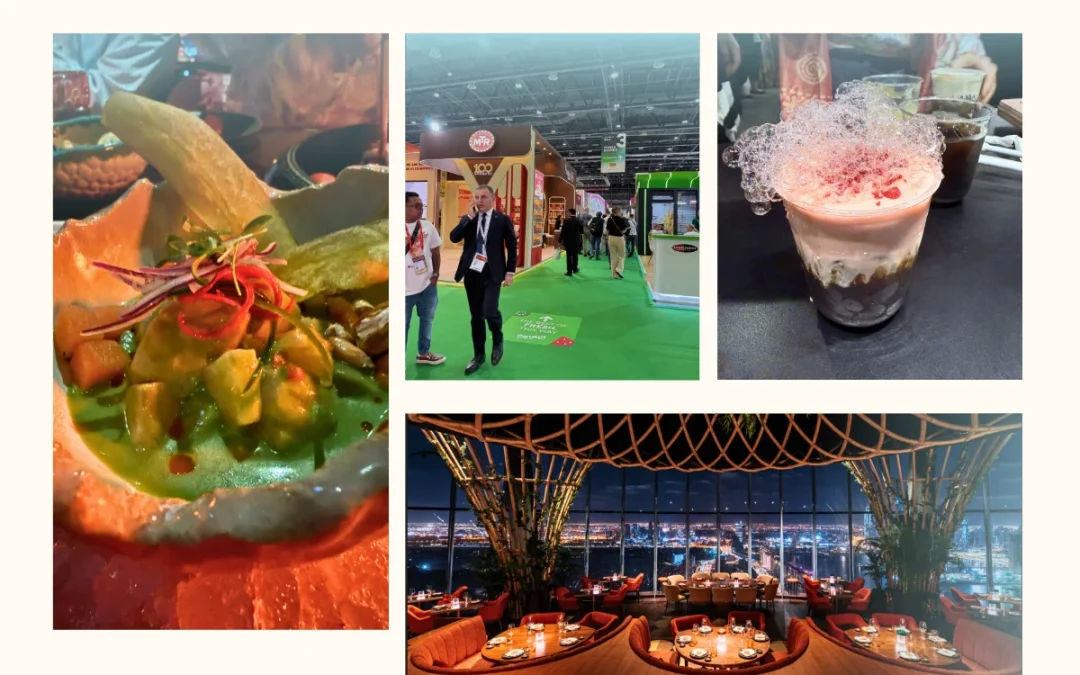
Day Three Gulfood, panoramic views and late-night libations
Flavor Trends, Strategies and Solutions for Menu Development[google_sidebar_ad...
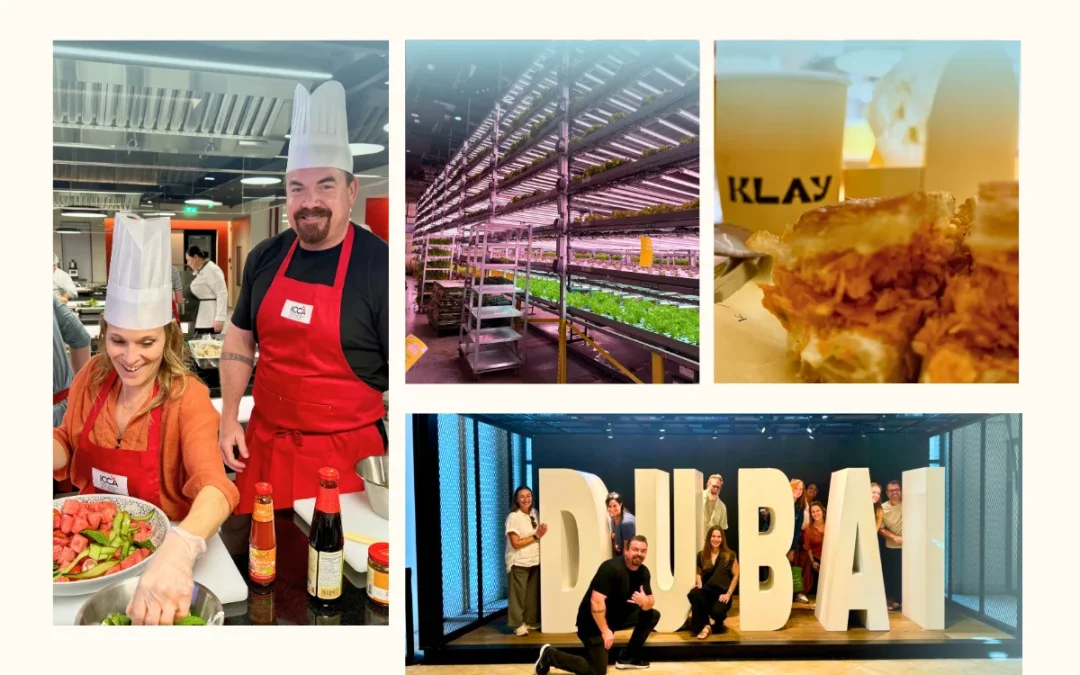
Day Two Vertical farms, paratha buns and culinary school
Flavor Trends, Strategies and Solutions for Menu Development[google_sidebar_ad...
