
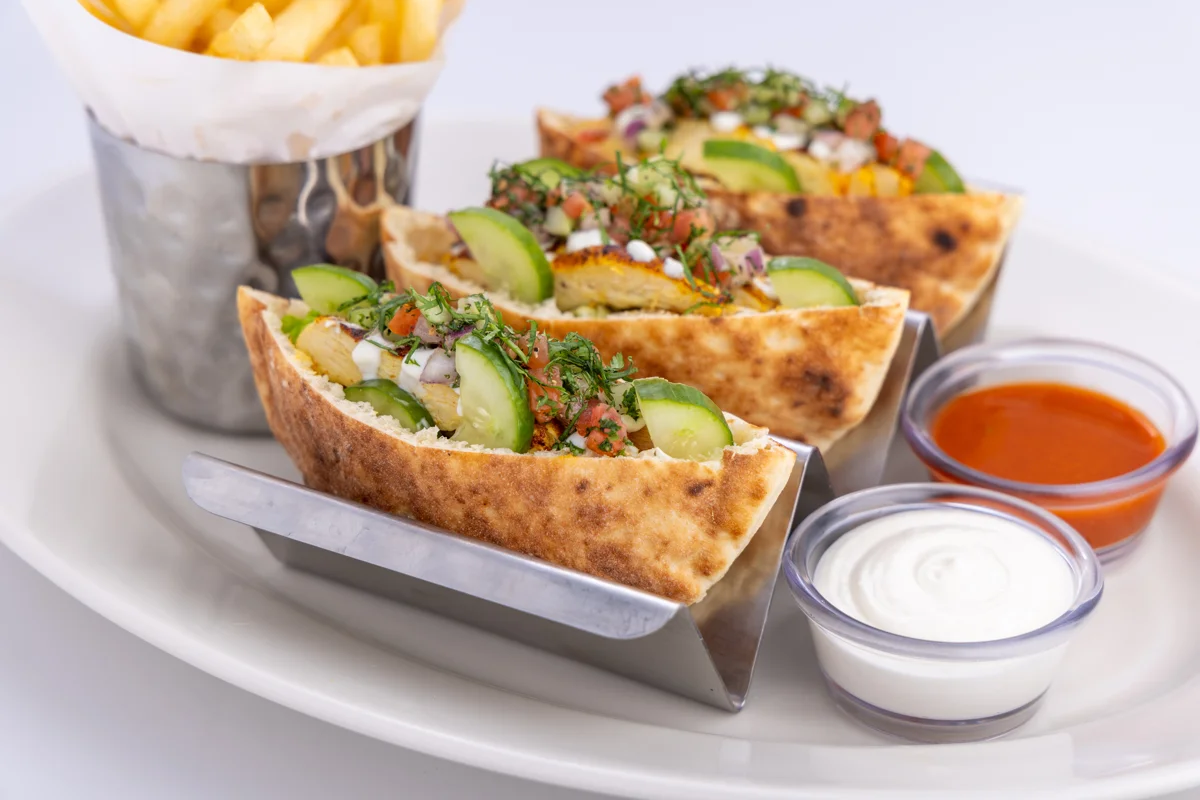
The Cheesecake Factory’s Robert Okura was happily surprised by how well guests received the recent addition of Chicken Shawarma, a pita filled with grilled chicken, tomato, housemade pickles, onion, garlic and cilantro.
Credit: The Cheesecake Factory
Flavor Trailblazer: Robert Okura
A winning balance of value perception and flavor innovation
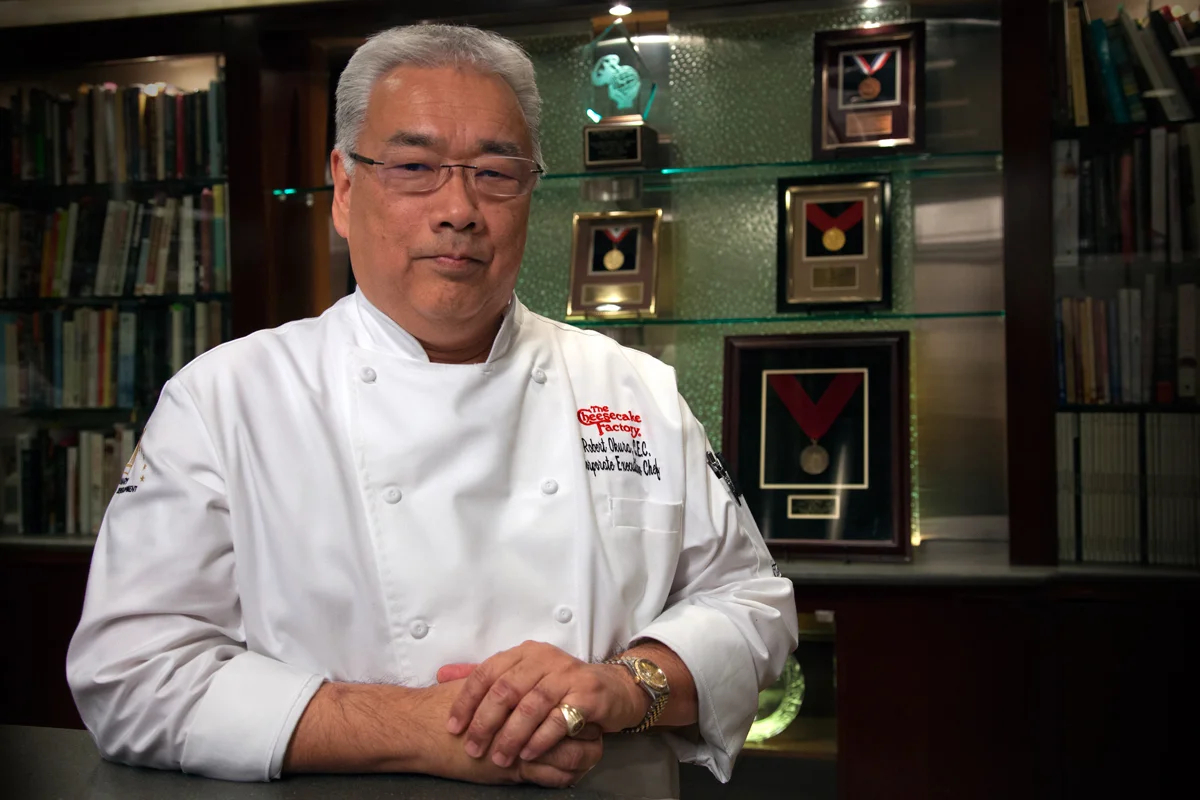
Robert Okura
Katie Ayoub: How long have you been with The Cheesecake Factory, and how have guests changed in that time?
Robert Okura: Thirty-seven years. When I started, we had just three restaurants; now we have more than 200 in the U.S. and around 300 worldwide. While our core menu philosophy hasn’t changed—we’ve always had a large, globally inspired menu—the biggest shift came after the pandemic. Our guests used to dine in restaurants two or three times a week, but now it’s two or three times a month, with much more off-premises ordering. Our to-go business is the highest it’s ever been, and that shift has stayed with us.
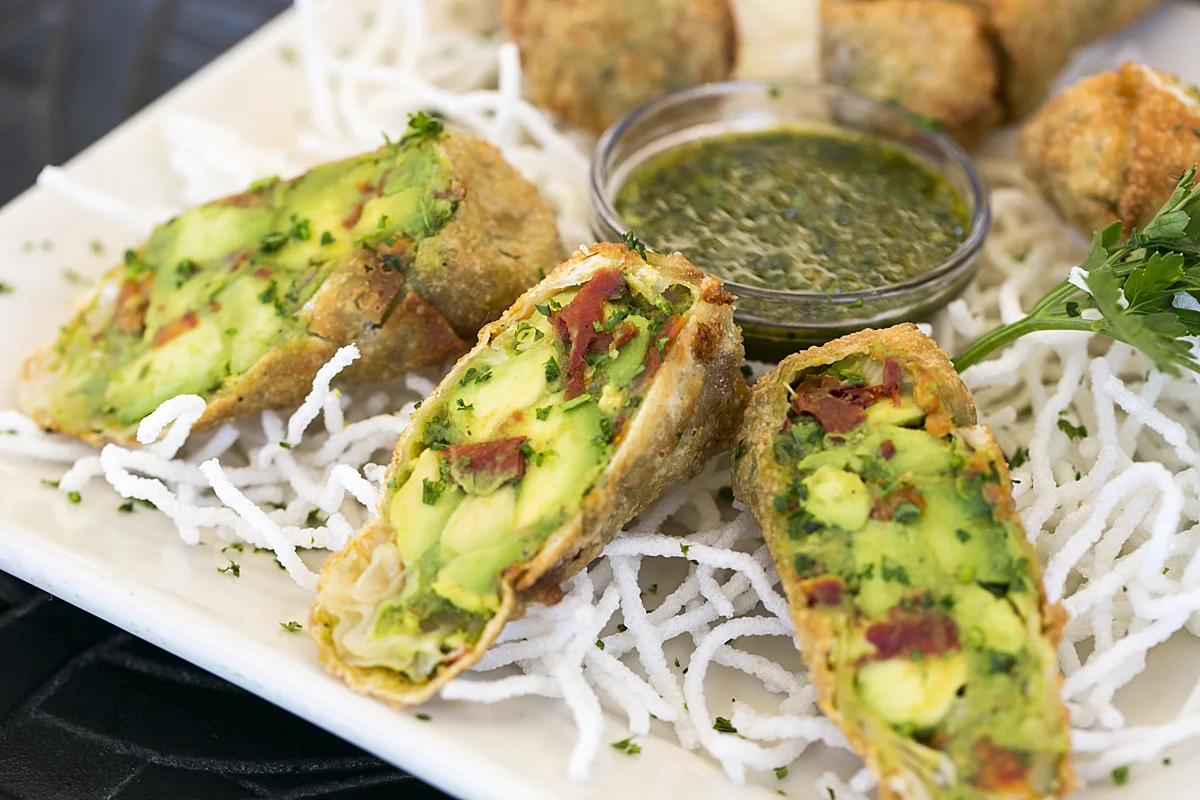
The Cheesecake Factory’s top-selling Avocado Egg Rolls are a longtime fan favorite with serious staying power, starring fresh avocado, sun-dried tomato, red onion and cilantro, served with a sweet tamarind-cashew dipping sauce.
KA: What’s your biggest challenge when it comes to innovation?
RO: The size of our menu is both a strength and a challenge. We already have hundreds of ingredients in house, so when we create new dishes, we aim to work with what we have and cross-utilize ingredients whenever possible. The hardest part is developing something that truly tastes and looks new, without feeling like a variation of an existing dish. It needs to earn its place on the menu.
KA: Have you brought in any ingredients recently that challenged that philosophy?
RO: Yes, gochujang. We brought it in specifically for two dishes: Korean Cauliflower and Korean Chicken. We tried to replicate it ourselves but couldn’t match the quality of the ready-made versions. Once we committed to it, we had to find ways to “Cheesecake-ize” it and make it feel like our own while still letting the core flavor shine.
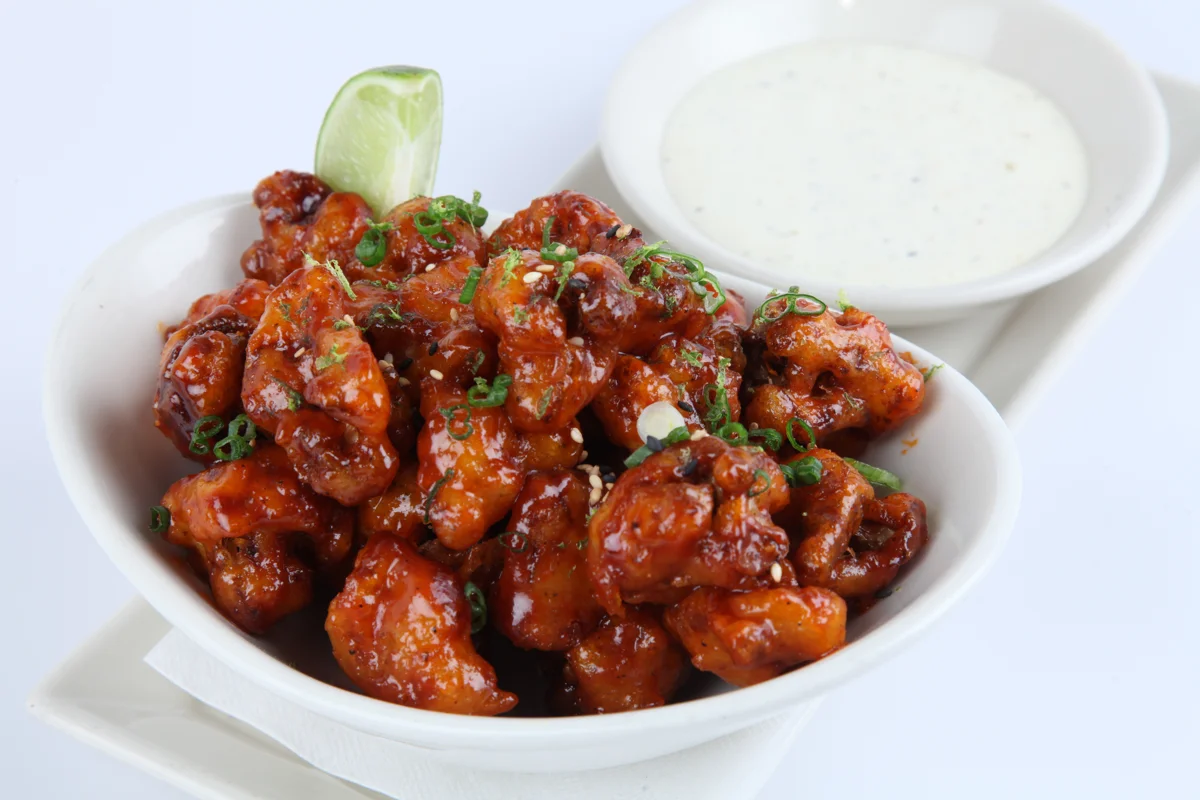
Korean Fried Cauliflower highlights the on-trend flavors of gochujang in a plant-based offering: crispy, golden cauliflower tossed in a sweet-spicy gochujang glaze.
KA: Are you exploring other Korean flavors like doenjang or ssamjang?
RO: Not yet. We’re aware of them, of course, but we need to see a viable path to using them in multiple places. If we can’t, the ingredients just sit in our kitchens unused.
KA: How does The Cheesecake Factory approach value today?
RO: We’ve always been seen as a value-driven brand because of our large portions. That hasn’t changed—we won’t reduce entrée sizes, and we’re trying not to raise prices more than necessary. But we are working on adding more lower-price-point items—dishes that are conceptually smaller, somewhere between lunch portions and entrées, and always shareable. These let us maintain value perception while adapting to changing guest needs.
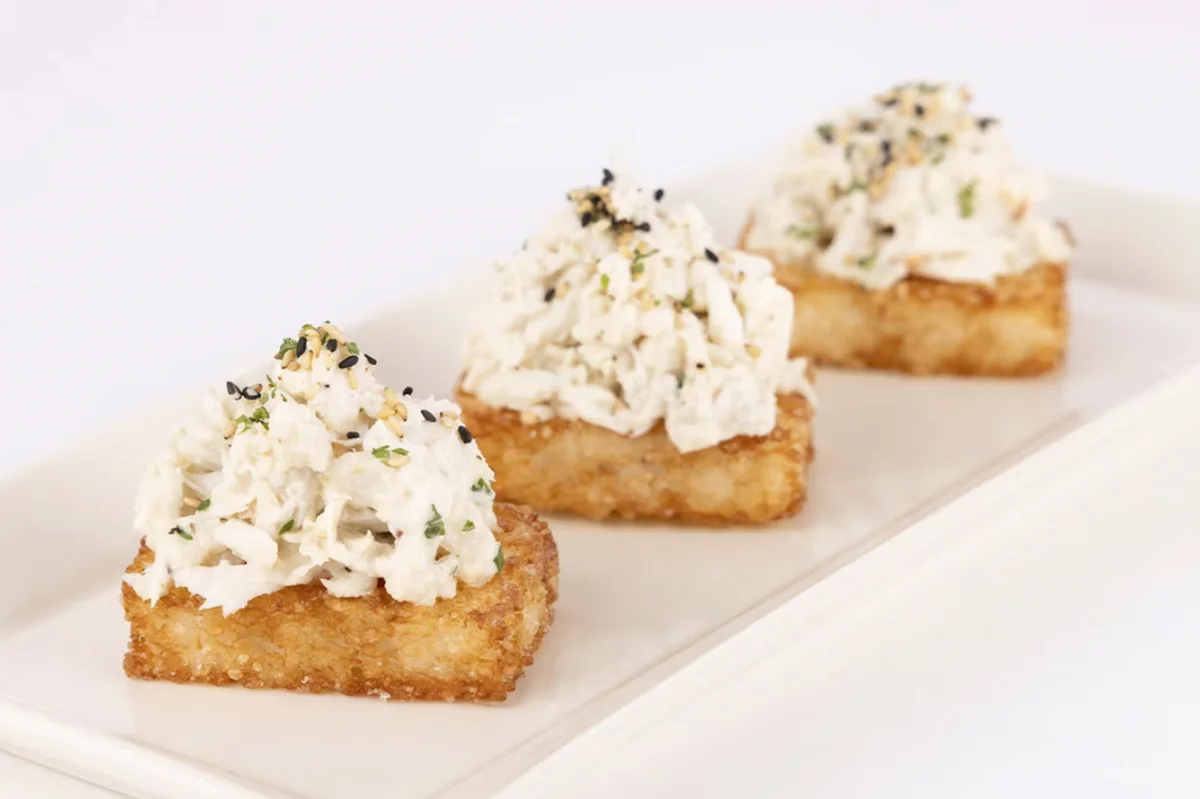 Credit: The Cheesecake Factory
 As part of the rollout of the new Bites Menu, these Crispy Rice Cakes with Crab feature warm sushi rice topped with crab and sesame seeds.
KA: Are smaller portions a response to consumers using GLP-1 medications like Ozempic?
RO: That’s part of it. Offering smaller, shareable dishes lets us meet those preferences without compromising the brand’s DNA.
KA: How do you filter food trends through the Cheesecake lens?
RO: Because our menu is already global, it’s not about adding something totally unfamiliar—it’s about seeing what resonates in culture and adapting it for our audience. Mediterranean cuisine, for instance, is having another moment. One of our most recent additions, the Chicken Shawarma sandwich, surprised us by becoming the second most popular dish in its category. I didn’t see that coming.
KA: What’s in the pipeline that you’re most excited about?
RO: You’ll see more variety in the new shareable category—dishes designed for two to four guests. Some are comfort-focused, others lean into trending flavors like Mediterranean and Korean. They’re meant to broaden the menu without diluting The Cheesecake Factory experience.
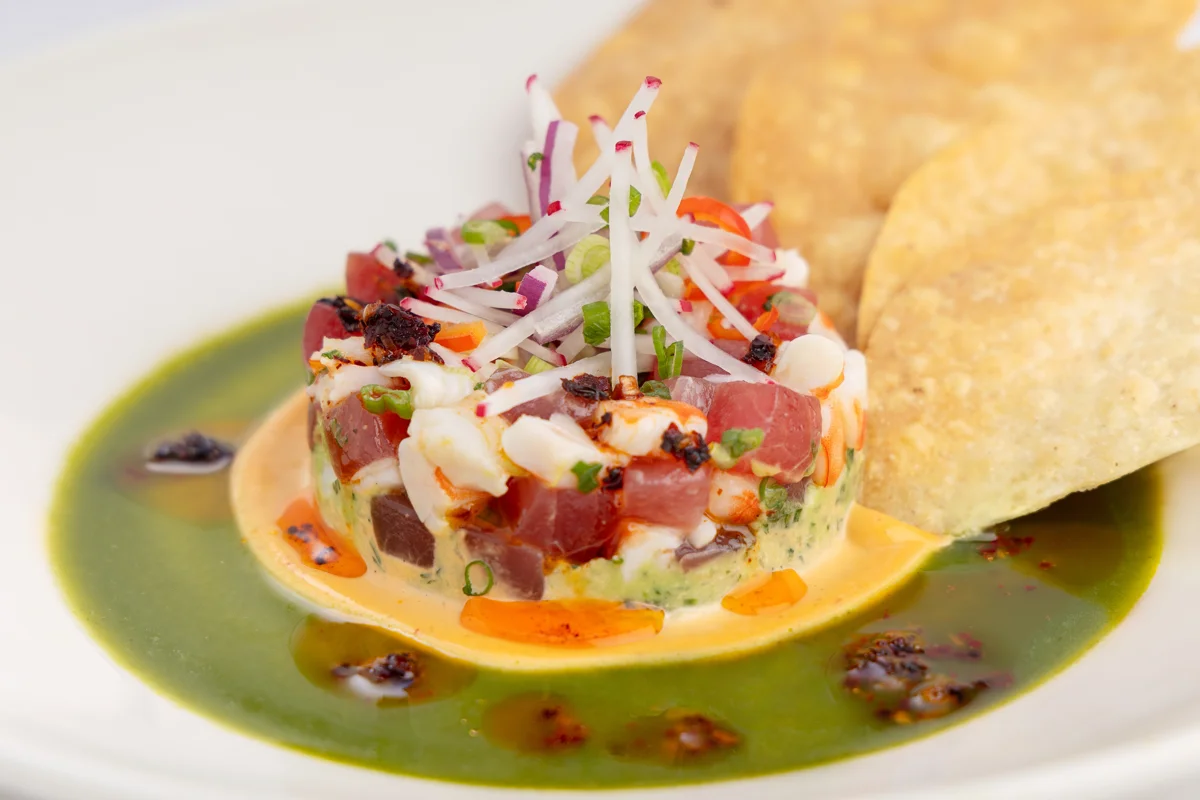 Credit: The Cheesecake Factory
 Another small plate as part of The Cheesecake Factory’s efforts to add more shareables: the Ahi Tuna & Shrimp Ceviche, featuring sushi-grade tuna and tender poached shrimp, brightened with lime, cilantro and green onion, layered over guacamole and served with tortilla chips.
QUICKFIRE
Source of inspiration:
Everywhere—Instagram, restaurants… I don’t even necessarily need to experience great food—it’s more about what the chef is trying to express in terms of their creativity, their commitment to what they define as deliciousness.
Something in your fridge that would surprise people:
I always have some type of pickle in the fridge. I’ll munch on it as a late-night snack, but I also end up putting these pickles in a lot of things that I’ll make when I cook at home for the family. I’m a pickle freak.
Best bite you’ve had recently:
I was just in Hawaii a couple weeks ago, and the best bite I had was this coconut cake at one of the hotels in Honolulu, Halekulani Hotel. It was just the lightest cake—delicate and flavorful without being too sweet. I’ll remember that forever.
Cuisine or ingredient you’re particularly excited to explore:
I always find it difficult to answer this question. Because of my work as a development chef, I don’t start with a single ingredient or flavor when we’re coming up with new menu items. Instead, it’s an overall flavor experience that we’re going for.
Go-to late night snack—other than a pickle:
It’s always going to be ice cream. Whether it’s the dead of winter or middle of summer, ice cream, to me, is the perfect dessert.
About the Author
 Katie Ayoub serves as managing editor of Flavor & The Menu and content strategist for the Flavor Experience, an annual conference geared toward chain operators. She is president of Katie Ayoub & Associates, serving up menu trends expertise, content creation and food & beverage consultancy. Based in Chicago, Katie has been working in foodservice publishing for more than 20 years and part of the Flavor team since 2006. katie.ayoub@gmail.comRead More Stories by Katie Ayoub
Culinary Versatility in a Nutshell Crack open the many ways to get more from walnuts
Flavor Trends, Strategies and Solutions for Menu Development[google_sidebar_ad...
Generation Next: Across the World for a Sweeter Beginning The future of food is evolving, one culinary student at a time
Flavor Trends, Strategies and Solutions for Menu DevelopmentCaera Stone (right) profiled her friend...
Modernizing Five Classic Dips Easy upgrades to enhance the dipping experience
Flavor Trends, Strategies and Solutions for Menu Development[google_sidebar_ad adslug="2026-03-Surround-Kens-320x50"...
