
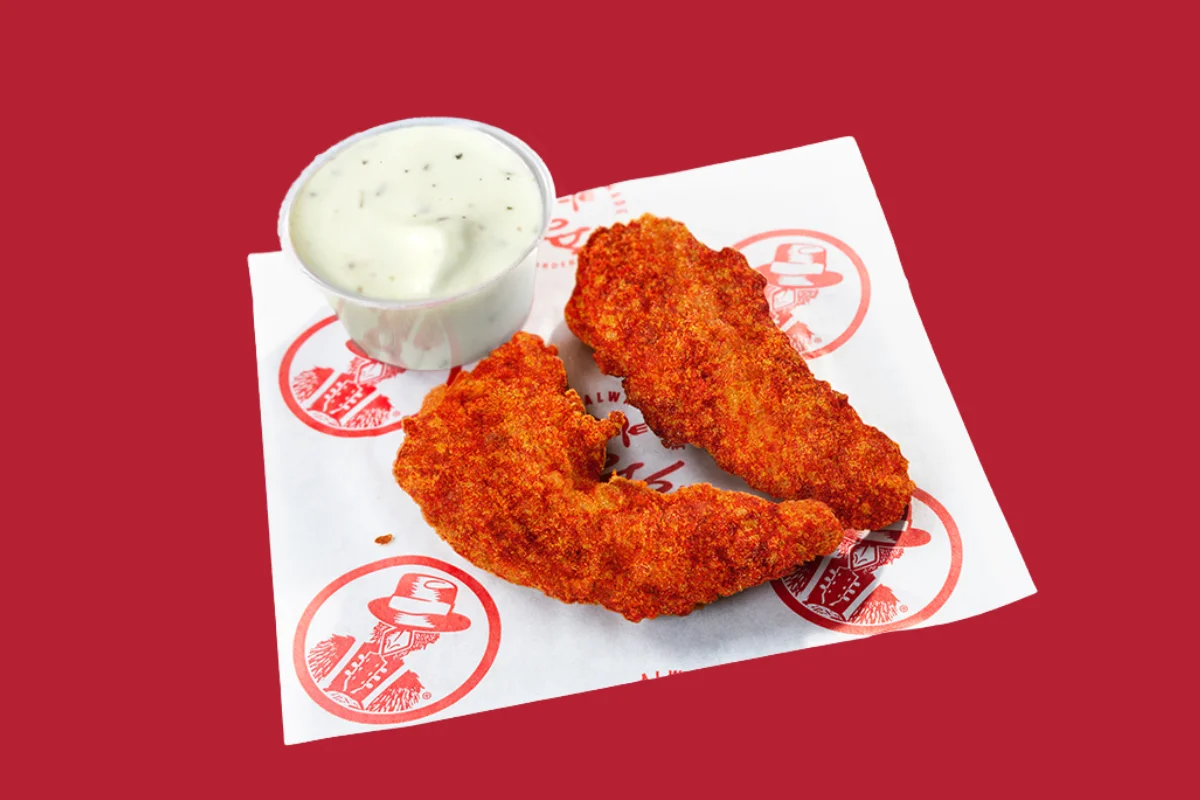
Engineered for today’s heat seekers, Slim Chickens’ Spicy Tenders are a calibrated blend of capsaicin, cayenne and chile flake—landing around 22,000 Scoville. The heat hits with intensity but fades quickly, letting flavor lead.
Credit: Slim Chickens
Flavor Trailblazer: Andrew Ruga
Balancing Southern flavor, nostalgia and modern crave factor
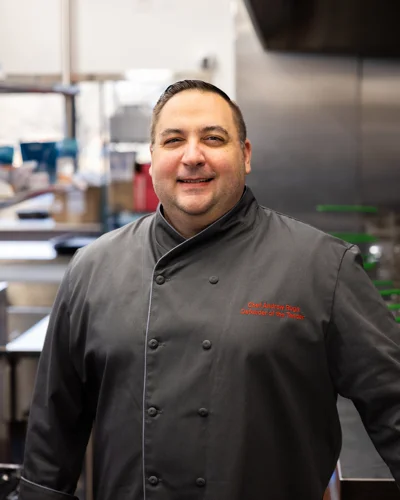
Andrew Ruga
Katie Ayoub: Describe your role at Slim Chickens.
Andrew Ruga: I joined as culinary director in June 2025. My focus is on leading innovation and building a stronger R&D process that supports where the brand is headed. Slim Chickens already has a clear identity and a loyal following. My job is to make sure new ideas build on that foundation and that they excite guests, make sense operationally and can be executed consistently across a growing system. It’s about balancing creativity with discipline and keeping flavor at the center of it all.
KA: What was the impetus for introducing the role of culinary director?
AR: Menu innovation is at the heart of any great restaurant brand. As Slim Chickens continues to expand, we see an opportunity to formalize and elevate our culinary strategy to support that growth. We’ve always built our reputation around fresh, hand-breaded chicken tenders, bold sauces and a welcoming Southern-hospitality type of experience.
My role is about building structure around that foundation, strengthening our R&D process, ensuring innovation works operationally across a growing system and keeping flavor at the center of every decision. It’s not about changing who we are. It’s about sharpening our point of view, protecting what makes Slim Chickens unique and creating a disciplined pipeline that keeps us relevant and differentiated as we scale.
KA: Who is in your competitive set?
AR: There’s a lot of conversation around Raising Cane’s and Zaxbys as direct competitors. We’re very cognizant of Chick-fil-A, even though they’re sandwich-focused and we’re tenders-focused. We all sell chicken, but we focus specifically on tenders that are hand-breaded and cooked to order. That’s a different proposition than pre-breaded or sandwich-driven concepts. We look at KFC and Popeyes, too. There seems to be a drift away from dine-in, and we believe we can hold firm in that our dining experience delivers more of a fast-casual feel than pure quick service.
Our restaurants are designed to feel welcoming and warm, more fast-casual than transactional quick service. That hospitality is part of the brand. Now, half our business is drive-thru. When Slim Chickens started, there was no drive-thru. So we’re catering to guests who want to interact with us in different ways, but there isn’t a drumbeat saying we need to abandon dine-in and only focus on drive-thru.
KA: Yet you are exploring drive-thru only models?
AR: We have two currently and a third in the works that are strictly drive-thru. We don’t think the whole brand will shift to that model, but it helps franchisees fill gaps in a market. Our traditional store has footprint requirements, and there are areas where real estate doesn’t fit. A drive-thru-only model can fill those holes while the market stays anchored by our legacy design.
KA: Who is the Slim Chickens guest today?
AR: We skew family-heavy. Our core is that 28- to 40-year-olds who have a family or is starting one. They want a great-tasting meal cooked to order, and they don’t mind sitting down. Sunday lunch after church is packed. That’s a huge part of who we are. It’s a place where families can sit down, share a meal built around fresh tenders, great sauces and shakes, and feel taken care of.
KA: What is your biggest challenge in flavor innovation?
AR: Two things: First, not hurting the flavor the brand has already developed. We view ourselves as a Southern brand—an ethos fueled by great music, like blues and rock. That means flavor has to work with crispy, freshly cooked tenders and our broad sauce lineup. It has to enhance what we already do well and not distract from it. So while global trends are interesting, sometimes we look at something and say, “That doesn’t line up with what we are or want to be.” Second, if we develop a new flavor, it has to be designed to break through. At Flavor Experience, one speaker summed it up perfectly: Mid equals death. That’s been a drum I beat—if it doesn’t fit our Southern persona, then it had better be so awesome that people get excited anyway.
KA: What’s your approach when bringing in a trending global flavor profile like Korean barbecue?
AR: It’s a legit conversation. We do sell Korean barbecue today, but we’re asking ourselves, should we? That’s why we’re looking at flavor work in two buckets. The first is: If something is on the menu today, is it the best version it can be? Did we turn the dial to 11, or leave it at 7? And second, if we’re developing something new, it’s with the intent to break through.
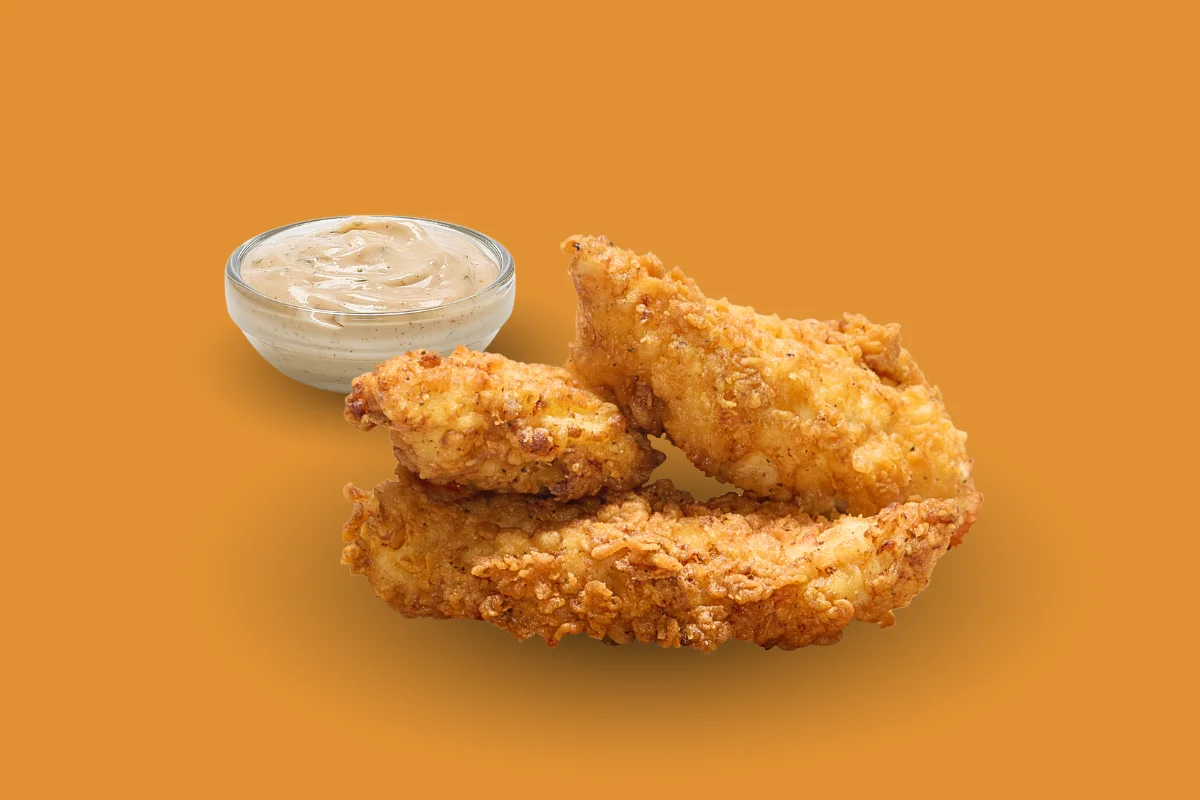 Credit: Slims Chicken
 Ranch’s status as a familiar favorite makes it the perfect canvas for more daring flavor play—without straying too far from the brand’s core ethos.
KA: Let’s talk about ranch, a signature sauce for Slim Chickens. How does it play into your flavor strategy?
AR: Slim Chickens offers more than 14 dipping sauces, one of the broadest sauce lineups in the category. Housemade ranch is our top-selling sauce and something guests talk about unprompted. So instead of chasing every global trend on protein, why not own ranch? We put together a proposal for a Ranch of the Month, something we can execute and use to create excitement. Our guests tend to lock into their order once they know us. We have a lot of sauces, but we aren’t forcing a trial. A rotating ranch creates a reason to try something different.
KA: That’s also a smart way to play with global flavors without breaking brand guardrails.
AR: Exactly. If it’s a flavor you don’t immediately associate with Slim Chickens, but it’s in a ranch, then it makes sense because you associate Slims with ranch.
KA: How does Slim Chickens approach the value equation?
AR: We provide value through fresh, hand-breaded tenders cooked to order, quality ingredients, 14-plus sauces and a dine-in experience built around hospitality. That’s very different from competing purely on price. Our guests understand they’re getting real chicken tenders—not formed strips—and that matters. We don’t want to drive value through discounting. You can race your way to the bottom, but once you’re there it’s hard to climb back up. Our consumer values that dine-in experience, that it’s real chicken tenderloins, that we cook to order. That’s where the value comes from. Discounting is something we’ll use strategically—store openings, special moments—not as the day-to-day identity.
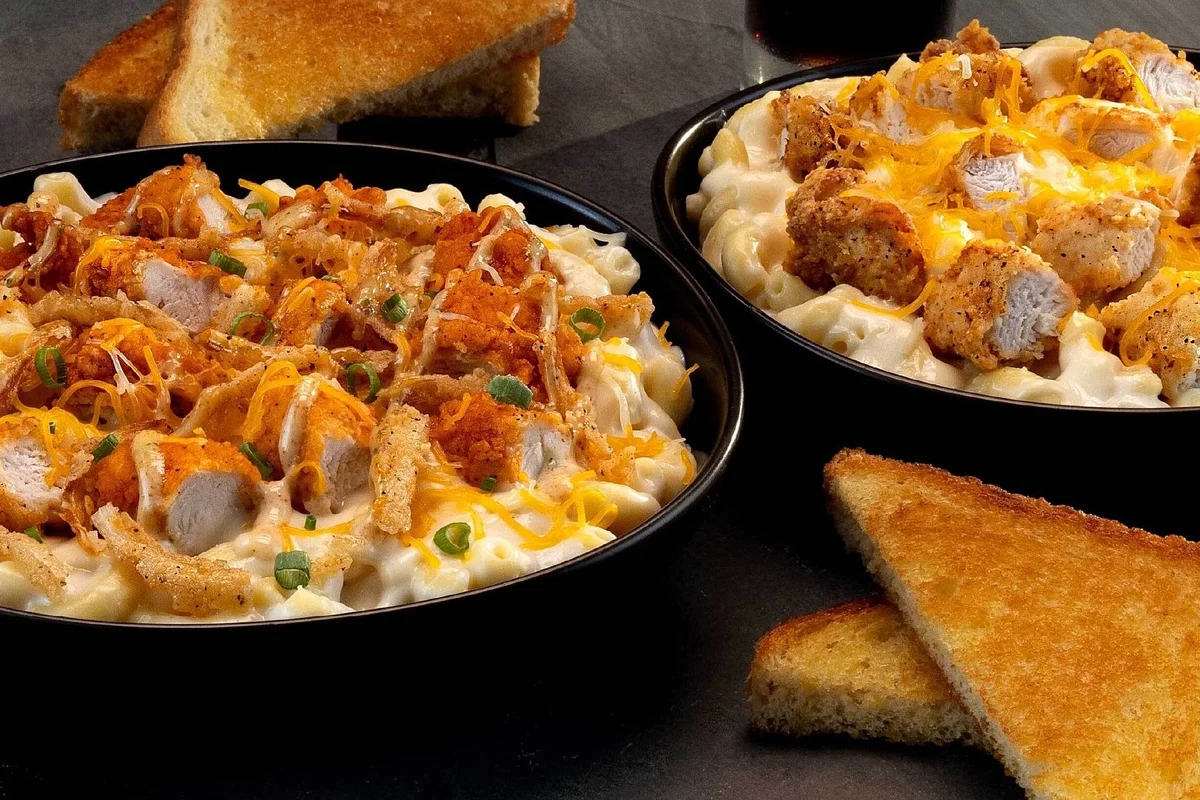 Credit: Slim Chickens
 A modern comfort classic through the lens of Slim Chickens, this Chicken Bacon Ranch Mac Bowl reflects the brand’s approach to breakthrough flavor: familiar, indulgent and deeply craveable.
KA: How do you filter trends through the Slim Chickens’ lens?
AR: Our online consumer screening process is our best first filter, and we use it heavily. For every 40 concepts we screen, maybe five feel like something our customer would actually want. We’re tossing in wild ideas—fish sandwich, big menu changes—and letting the Slim Chickens’ guest lead the way. It keeps us out of our own heads. TikTok can be an input, but if it doesn’t resonate with our consumer, it’s not worth pursuing—no matter how much I want it as a chef.
KA: Heat continues to hold consumer interest. How are you addressing that demand?
AR: A great example is what we’re running now: Spicy Chicken Tenders. Previously, there was no legit heat on our menu. We had hot sauce, but it’s not really hot, and Buffalo, which is weak on the heat scale. But we’re in an age of heat seekers who want heat and flavor, not just “hot.” We went through rounds of development. We’re using capsaicin with cayenne and chile flake, around 22,000 Scoville—legit heat. It had to deliver that heat while still complementing our tenders. Flavor first, heat second. But what mattered most was what people said after trying it: “It’s hot, and it doesn’t hang around too long. I can taste the flavor.” That reaction was engineered.
KA: Which trend are you exploring the most at Slim Chickens currently?
AR: Nostalgia with a twist is where we’re spending the most time. We’ve got a nostalgic dessert on the menu now that’s been incredible for us: the Nilla Banana Pudding Jar. We’re unique with our jar dessert format, and when we launched the Nilla pudding, it took off. The jar format reinforces that fast-casual positioning—portable but premium.
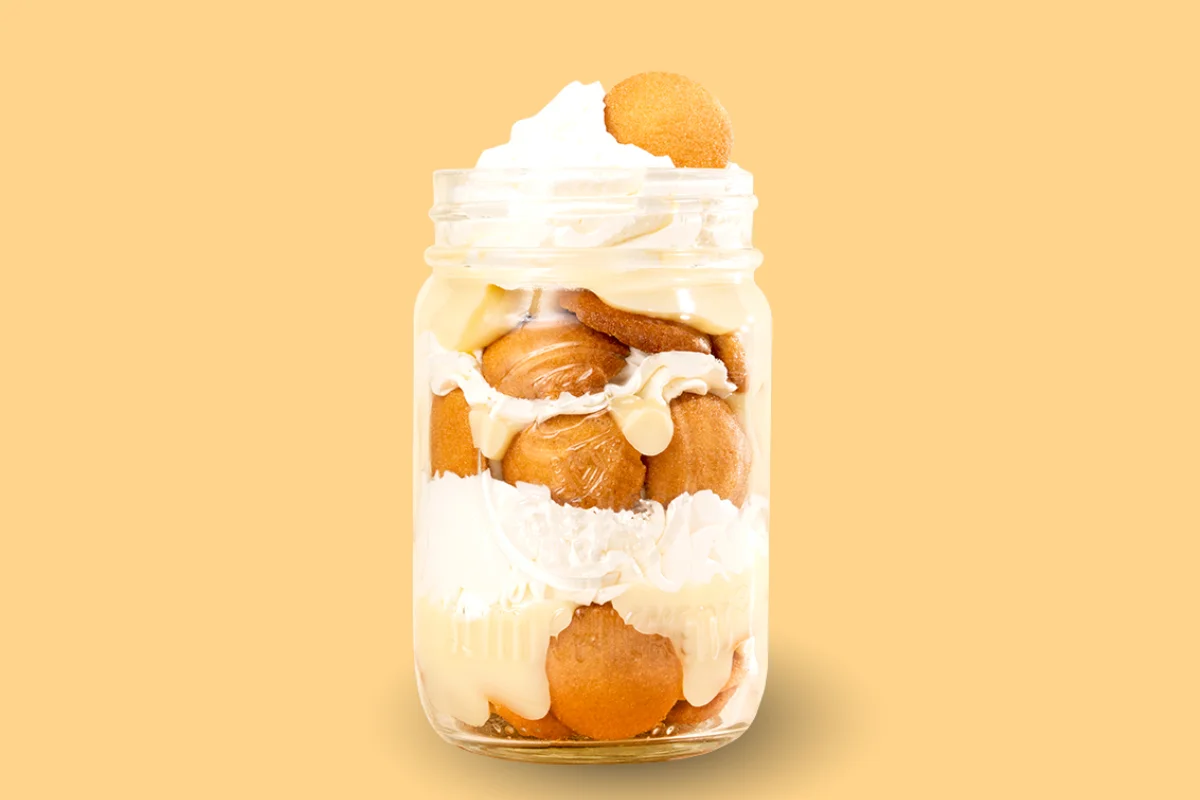 Credit: Slim Chickens
 A modern take on a Southern comfort classic, Slim Chickens’ Nilla Banana Pudding Jar leans into new nostalgia. Hand-layered with creamy pudding, mini Nilla wafers and whipped topping, the limited-time dessert delivers familiar flavors in a grab-and-go format.
QUICKFIRE
Source of inspiration:
Cookbooks over 50 years old. If I see a cookbook from 1920, it’s coming home with me. It’s wild to see what’s the same—and what’s totally unexpected. Also, I find inspiration at industry events like the Flavor Experience.
Something in your fridge that would surprise people:
Pickled asparagus. Not all brands are created equal, but I found one I love—and now it’s always in my fridge.
Best bite you’ve had recently:
The prime Wagyu tomahawk at Primal Steakhouse in Las Vegas. It’s in the top-two steak bites of my life. They crushed it.
Flavor or ingredient you’re most excited about right now:
Japanese cuisine. I love sushi, but more broadly the culture’s approach to food and presentation. We played at home with miso honey and fresh diced apples—mild yellow miso with local Arkansas honey. I wanted to see if the miso honey would keep the apples from browning—and it did. We ate it alongside hot pot, and it acted like a refreshing reset, like the caramelized banana you get at a Brazilian steakhouse.
Go-to late night snack:
Snickers ice cream bars. There’s a love affair happening five nights a week at my house after nine o’clock.
About the Author
 Katie Ayoub serves as managing editor of Flavor & The Menu and content strategist for the Flavor Experience, an annual conference geared toward chain operators. She is president of Katie Ayoub & Associates, serving up menu trends expertise, content creation and food & beverage consultancy. Based in Chicago, Katie has been working in foodservice publishing for more than 20 years and part of the Flavor team since 2006. katie.ayoub@gmail.comRead More Stories by Katie Ayoub
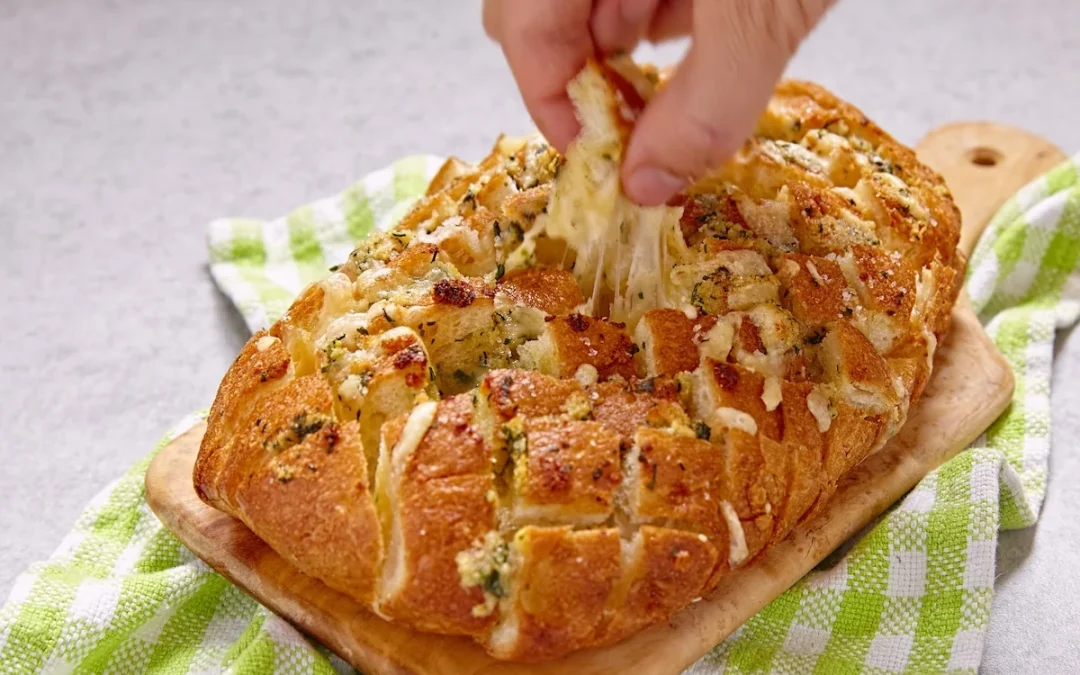
Rip, Tear and Pull-Apart Breads Menuing four fun, interactive styles
Flavor Trends, Strategies and Solutions for Menu Development[google_sidebar_ad adslug="2026-04-Surround-Kens-320x50"...
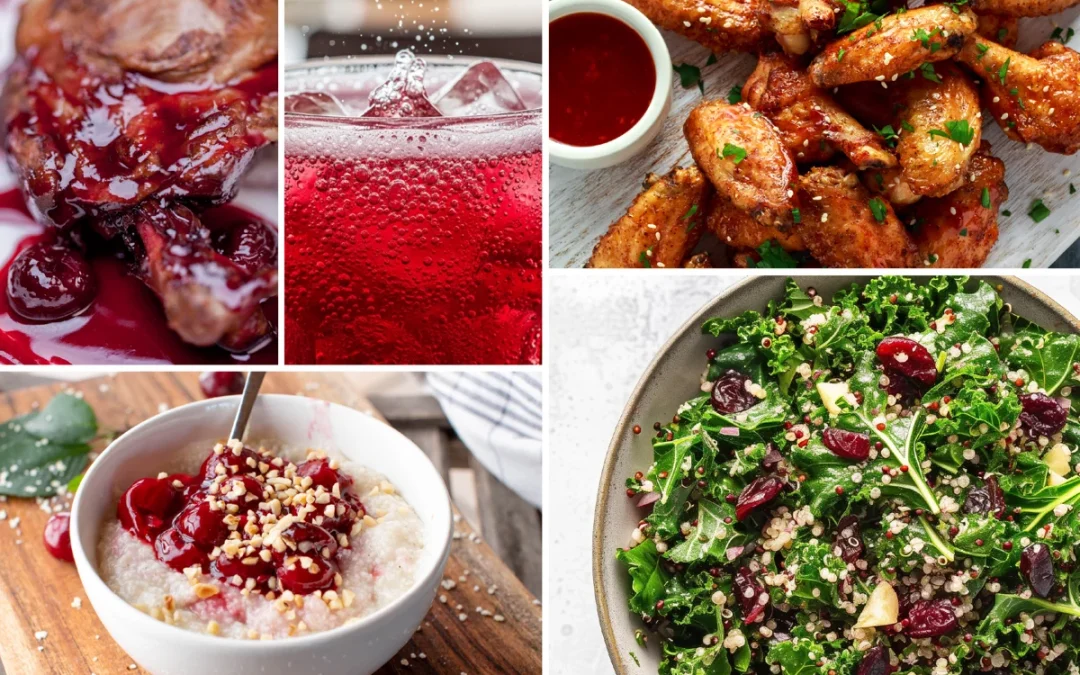
Tart Cherries Make Flavor Magic Reimagine ways to put their power of sour to work in modern menu development
Flavor Trends, Strategies and Solutions for Menu Development[google_sidebar_ad...
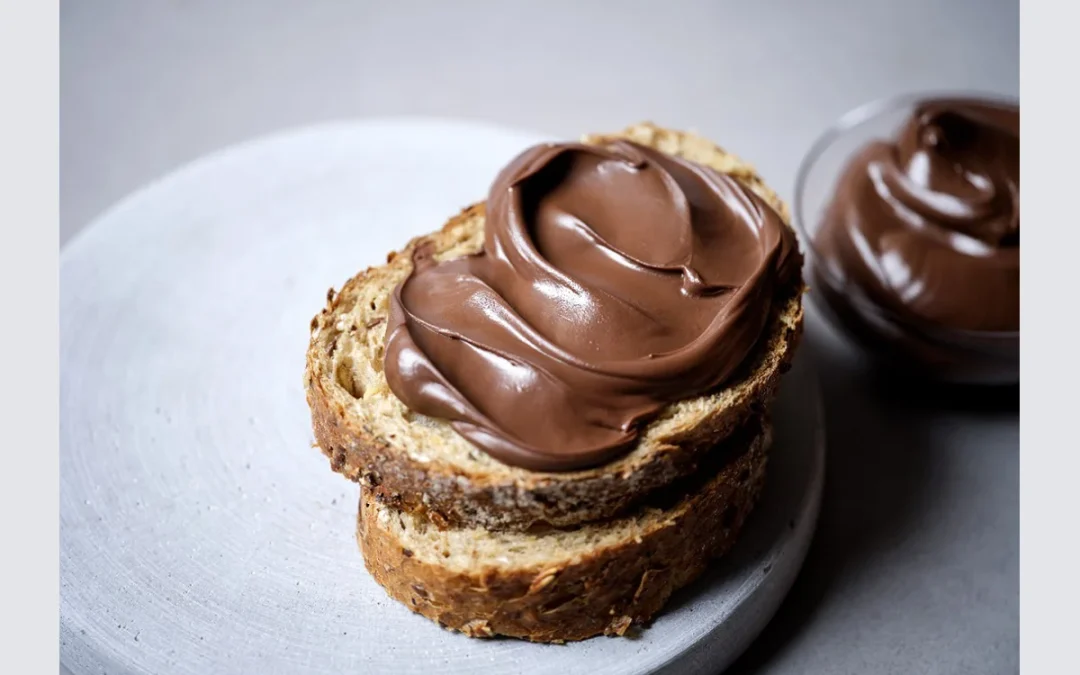
Spread a Little Indulgence Clean-label nut butters deliver dairy-free creaminess with a naturally premium read
Flavor Trends, Strategies and Solutions for Menu Development[google_sidebar_ad adslug="2026-05-Surround-Puratos-320x50"...
