





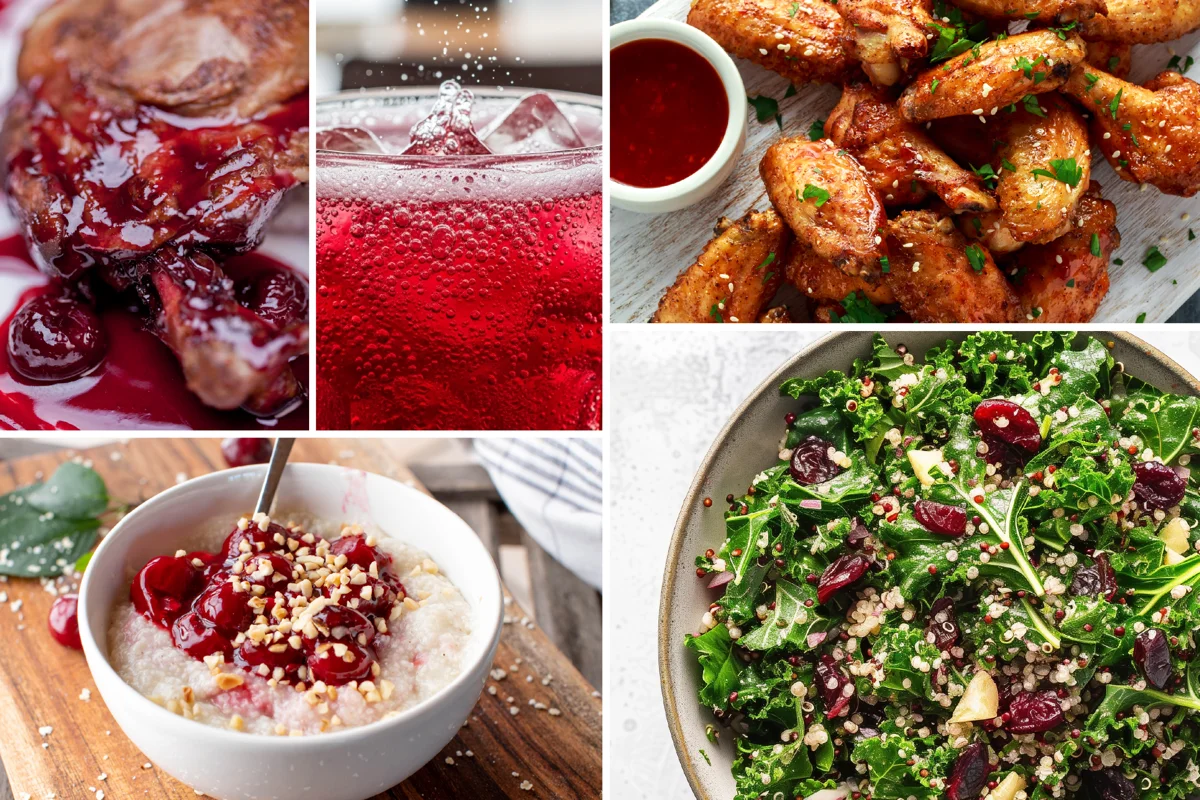
From craveable classics to on-trend applications, tart cherries bring bold flavor and vibrant color to every menu moment from glazing wings, brightening grain bowls, elevating breakfast bowls, and adding a refreshing pop to beverages.
Credit: U.S. Tart Cherry Industry
SPONSORED EDITORIAL
Tart Cherries Make Flavor Magic
Reimagine ways to put their power of sour to work in modern menu development
Montmorency tart cherries. This single variety, prized for its consistent flavor, vibrant color and reliable performance in the kitchen, lives at the heart of many nostalgic taste memories, as it accounts for nearly all tart cherries grown in the U.S. Chefs value these key attributes—especially when “tart cherry” terminology is used indiscriminately in the marketplace. Montmorency tart cherries, with their pop and power, are prime for greater use across modern menus, far beyond iconic desserts and classic comfort foods. It’s time to explore the opportunities of new flavor frontiers.
Rebecca Peizer, chef consultant to the U.S. Tart Cherry Industry, laments the fact that U.S.-grown Montmorency tart cherries aren’t used more widely in American cuisine. “The tart, rich and even slightly briny and umami-like flavor of Montmorency tart cherries are savored in so many other cuisines,” she notes. But here? “It’s almost as though the word ‘cherry’ means that it must be used alongside other sweet ingredients.”
Peizer points out that tart cherries are a staple ingredient in Middle Eastern and Eastern European cuisines. “International chefs seem to have a deep understanding of the role that tart cherries can play in sweet and savory applications, from dumplings to sauces to stuffings to desserts.”
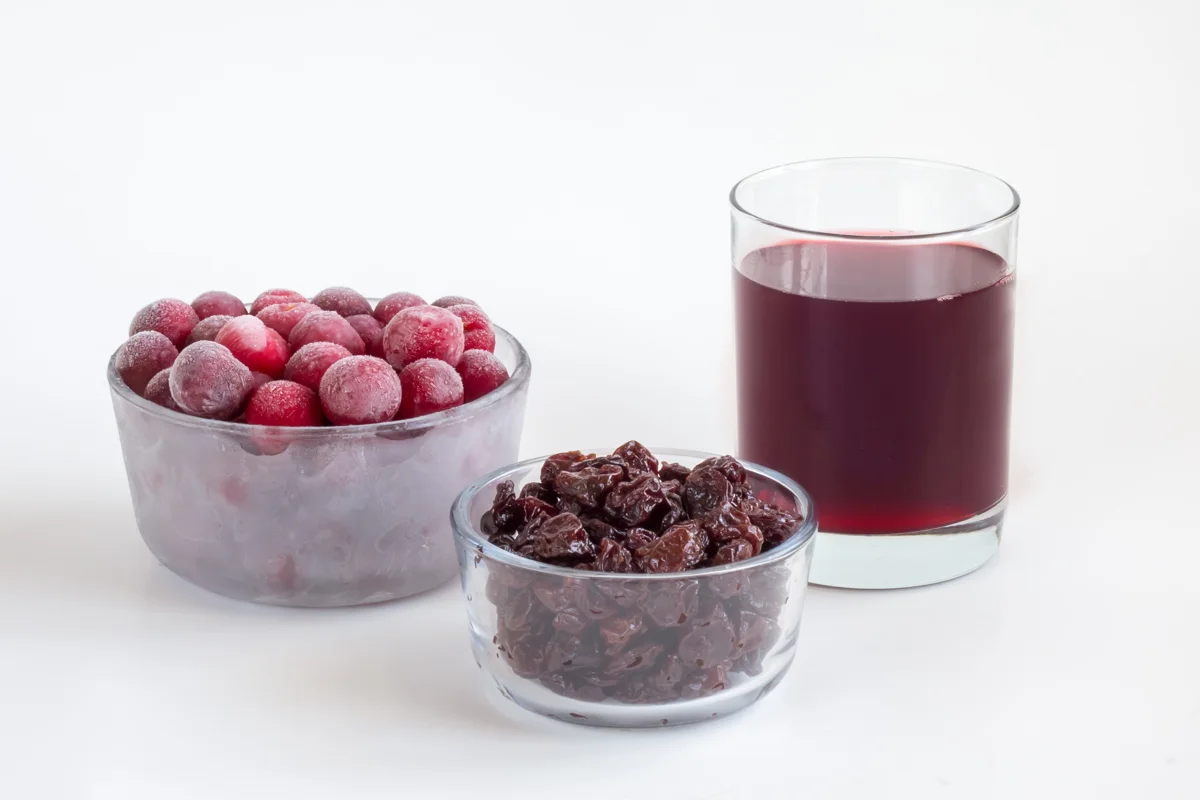
Different formats extend versatility. “In dried form, tart cherries have an almost olive oil-cured black olive or caper resonance,” says Peizer. “And the juice can be used in as many ways as a vinegar or other tart fruit concentrate can be used.” In frozen form, tart cherries can be blended at high speeds with savory ingredients. She cites combining frozen tart cherries with balsamic vinegar “to create a deeply satisfying intermezzo-style sorbet.”
CULINARY CRED
The sweet-sour profile of tart cherries is the primary reason chefs and menu developers should be more intentional about incorporating the fruit into recipes. “The mouth pucker that’s often produced when consuming tart foods is a sign of tart doing its magic to bring out the best, all-around flavors in any dish,” says Peizer, sharing some of the flavor science involved. “Sour ingredients encourage the act of salivating, the same way that salt does. This physiological response helps distribute flavor and aroma more fully, enhancing the overall taste experience.”
Peizer considers tart flavors a recipe development superpower. Chefs can apply that tart taste, and other accompanying flavors, to create balance and enhance profiles that might fall flat. “For example, if a dish is too sweet, adding tart ingredients is an obvious step. But this technique also works when bitter flavors are a bit too bold or when you want to minimize the amount of salt in a recipe,” she says. Want to tap the popular “power of sour”? Tart cherries are the first place to turn.
Start by exploring how to apply unexpected but complementary ingredient pairings, especially spices and pastes. Peizer suggests:
- Tart cherries + oil-cured olives
- Tart cherries + warm Middle Eastern, Persian and North African spice blends, such as baharat or tabil
- Tart cherries + spice blends that skew Hawaiian, with tropical fruits, ginger and sea salt
- Tart cherries + Japanese black sesame paste
- Tart cherries + Indian curry, especially with asafetida (hing) powder
Peizer goes on to brainstorm full menu inspirations that defy expectations when it comes to seizing the flavor advantage of tart cherries—in all forms. These applications demonstrate how tart cherries can function not just as flavor accents, but as foundational ingredients in modern menu development.
Indian Chaat Papri with Tart Cherry Chutney and Mint Raita. Here, tart cherries, in frozen and dried forms, provide the sweetness of traditional dates and the tartness of traditional tamarind. Peizer’s concept is a classic chutney in a decomposed samosa.
Shanghai Red Cooked Chicken. Here, Peizer would use tart cherry juice, combining it with soy, sugar and Chinese five spice to produce a caramel-esque braise for protein. Serve the dish with rice.
Chicken Panini with Tart Cherry Caper Tapenade. For this handheld, Peizer suggests dried tart cherries in the tapenade. Using these to replace Niçoise olives provides a meaty texture and greater depth of flavor, she credits. Other sandwich fillings include goat cheese, prosciutto and artichokes.
Cheeseburger with Smoked Tart Cherry Bacon Jam. Create a sticky sweet and smoky jam made with reduced tart cherry juice, smoked frozen tart cherries, bacon and spices. This is a great complement to the grilled beef and melty cheese. Add grilled red onions to carry off the flavor journey.
Cherry Thyme Fried Chicken with a Chipotle Tart Cherry Hot Sauce. Tart cherry juice helps create a juicy, succulent, sweet and tangy fried chicken. Use a tart cherry puree to produce a smoky, fermented tart cherry hot sauce, suggests Peizer.
Creative culinary craft leads to modern menu wins, and tart cherries, in all their forms, are prime ingredients for chefs willing to push past the familiar.
BE CHOOSY ABOUT CHERRIES
Montmorency tart cherries dominate the U.S. market, representing nearly all domestic tart cherry production across key growing states, including Michigan, Utah, Wisconsin, Washington, New York, Oregon and Pennsylvania. Harvested at peak ripeness, Montmorency tart cherries are rarely sold fresh and are almost always processed immediately to preserve their vibrant flavor, color and nutrient content. This ensures year-round availability in frozen, canned, dried, concentrate or juice formats—ideal for foodservice applications.
Montmorency tart cherries are known for their nuanced flavor—while the dominant note is a sharp, mouth-puckering acidity, beneath the tartness is a subtle sweetness. Far from cloying, it’s the cherry’s way of softening its own punch. Montmorency tart cherries leave a crisp, clean finish on the palate, forgoing any syrupy, overly sweet aftertaste.
Products across the marketplace often use the term “tart cherry” without clearly communicating variety or origin. On menus, the fruit is sometimes labeled as “sour cherries,” but this wording can create confusion and diminish the distinctive value of U.S.-grown Montmorency tart cherries. As awareness of tart cherry potential—and the research behind its benefits—continues to grow, clarity around what’s in a product and where it comes from becomes increasingly important for buyers, consumers and health professionals. Chefs and menu developers want to be sure they are working with U.S.-grown Montmorency tart cherries.
To this end, the U.S. Tart Cherry Industry has developed the True Tart™ certification mark to provide a clear, standardized way to identify products that contain a meaningful amount of U.S.-grown Montmorency tart cherries. The mark appears on approved products that meet program requirements, giving chefs and buyers confidence in sourcing and consistent performance—and bringing greater clarity to how tart cherry products are represented in the marketplace.
“With True Tart™, we’re giving chefs and culinary teams confidence in their ingredient choice,” says Amy Cohn, RDN, president of the U.S. Tart Cherry Industry. “The True Tart mark is a clear signal that the product contains real U.S.-grown Montmorency tart cherries, and that the bright, tart flavor chefs are looking for will be consistent across applications.”
After seeing how naturally tart cherries slot into unconventional recipe builds and across dayparts, the opportunity for today’s chefs is clear: It’s time to bring their brightness, depth and versatility into the menu innovation cycle.
Check out Tart Cherries for Food Professionals to discover more culinary inspirations and consumer insights.
Rip, Tear and Pull-Apart Breads Menuing four fun, interactive styles
Flavor Trends, Strategies and Solutions for Menu Development[google_sidebar_ad adslug="2026-04-Surround-Kens-320x50"...
Spread a Little Indulgence Clean-label nut butters deliver dairy-free creaminess with a naturally premium read
Flavor Trends, Strategies and Solutions for Menu Development[google_sidebar_ad adslug="2026-05-Surround-Puratos-320x50"...

Generation Next: Bringing an Industry Edge to Culinary School The future of food is evolving, one culinary student at a time
Flavor Trends, Strategies and Solutions for Menu DevelopmentWorking at restaurants like The Modern...
