



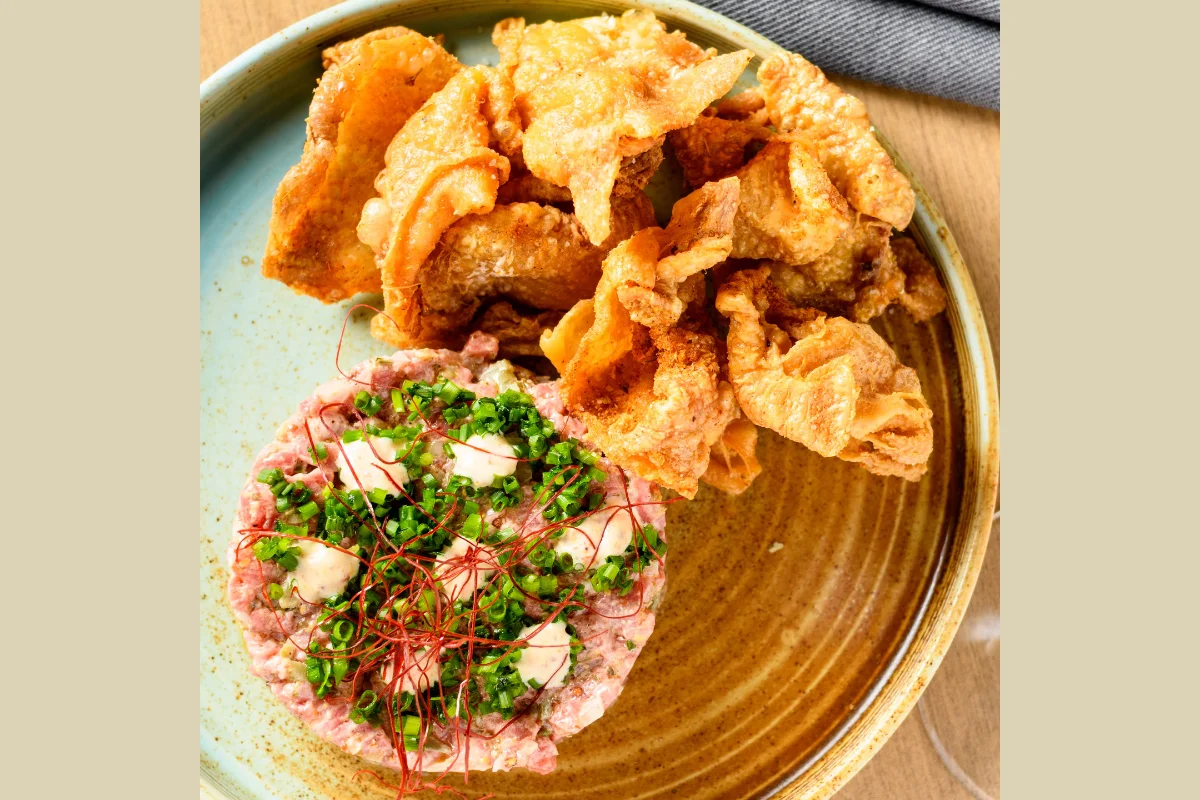
Salty snacks like chicharrones and cracklings offer textural inspiration to Chef Lamar Moore. Here, he subs crispy chicken skin chips in place of crusty bread for an intriguing take on tartare.
Credit: Marius Rudzevicius
Cracking the Code for Unexpected Crunch
Contemporary twists on crispy textures, from dips to desserts
Chips and dip offer the ultimate crunchy-smooth mash-up, but at Chicago’s Noriko Handroll Bar, edamame hummus with nori chips brings a whole new level of crunch. “We wanted to find a way to make hummus Asian, and in particular, Japanese,” says Billy Lim, chef/partner at Noriko.
Hummus is combined with blanched scallions, blanched edamame, tahini and salt, and served with housemade nori chips, delivering a one-two punch of crunch. To make the chips, spring roll paper is dampened with lukewarm water, placed atop nori sheets, cut into pieces and fried at 350 degrees F until crispy. The chips are finished with a dusting of powdered nori, sugar, citric acid and other seasonings, providing the perfect vehicle for scooping. The hummus boasts even more crunch from fried shio kombu, confit garlic and sesame seeds mixed in with chile oil.
The best-selling starter provides all the right levels of crunch, but Lim says it’s also about balance. “I think it’s also the acidity that’s really attractive,” he explains. “The fully composed dish is what keeps people coming back for it, especially when you’re drinking sake or wine.”
Beef tartare isn’t exactly a dip, but it needs a component that’s crunchy enough to stand up to the mix of diced beef tenderloin, capers, shallots and all the fixings. Instead of crusty bread or crackers, Chef Lamar Moore was inspired by the salty snacks he spotted on the road at gas stations while cooking for the Chicago Bears. “I remember running across chicken skins and thinking that we couldn’t find these in Chicago. I grew up on chicharrones but wanted to do something different,” he says.
When he worked at etc. Chicago, Moore prepared the tartare with Alabama white sauce. He would spread chicken skins super-thin and bake them between parchment paper for 375 degrees F for 20-25 minutes. “It has to stay flat so the oil really seeps into the skins,” says Moore, who topped the cooled, crisped skins with barbecue spice mix and salt. The skins were baked every two days to keep them fresh. Any leftover crunchy bits were ground with corn flour to use as a breading on chicken-fried steak or repurposed as a sweet-and-savory garnish on vanilla soft-serve with sea salt caramel. “We’d pulse them in a robot coupe with smoked peanuts and add more barbecue spice. It reminded me of eating peanut brittle with my granny,” he says.
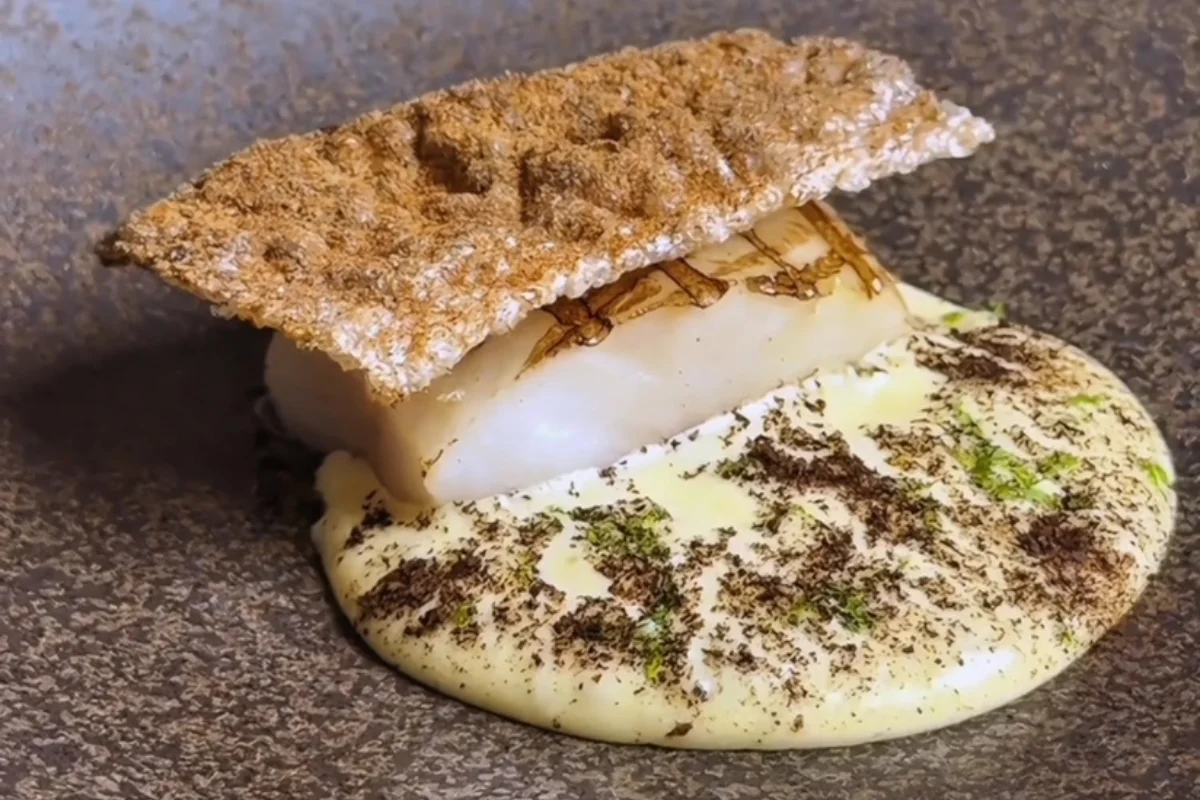
Mike Lanham, chef/owner of Anomaly SF, grew up eating cracklings down South and has played with fried chicken skins in the kitchen. But guests of his three-year-old molecular restaurant in San Francisco are more likely to find crispy fish skins and chips on the 10-course tasting menu. The cod is not only a textural showstopper, but it also utilizes the whole fish by letting the crispy skin shine.
 Credit: Michelle Chou
 At Anomally SF, cod skins are separated from the fillet and prepared as a chip topper, bringing elegant and unexpected crunch to the dish.
Lanham wanted to poach the fillet in smoked beef fat but still produce crispy skins, so he separated them and used the same method of making chicharrones to create a fun, oversized fish skin chip that tops the plated cod. To make it, he cleans the skin, steams and dehydrates it overnight before frying at 375 degrees F until it expands. Once flattened out, the dish offers a crispy surprise when it hits the table. “Most people don’t even know it’s fried, but then there’s this really oddly crispy chip,” he says. “Sometimes they’ll take it off and eat it separately because they’re kind of mystified by it. At which point I’m like, all right, cool; we did our job.”
For the oyster chips (he’s used shrimp and other seafood, too) that top the scallop tartare, Lanham shucks and strains oysters before steaming and combining them with their liquids, tapioca flour, water and salt to form a dough that’s spread on a tray and wrapped in plastic. The dough is dehydrated overnight and fried the next day to make sure it’s extra crispy. “Frying puffs it up but also gives you the air holes that make it pleasant to eat,” he says. “Otherwise it would be teeth-shatteringly crispy—about as pleasant as eating a Mastercard.”
Protein skins are conducive to crispy textures, but everyone knows that crispy rice carries a whole new level of crunch. At Sushi San, which has three locations in Chicago and one in Nashville, Tenn., the crispy rice nigiri get a small but mighty section of the menu. Spicy tuna, Wagyu tartare and king crab top sushi rice that’s been pressed and then seared on a flat top until it turns golden and crispy.
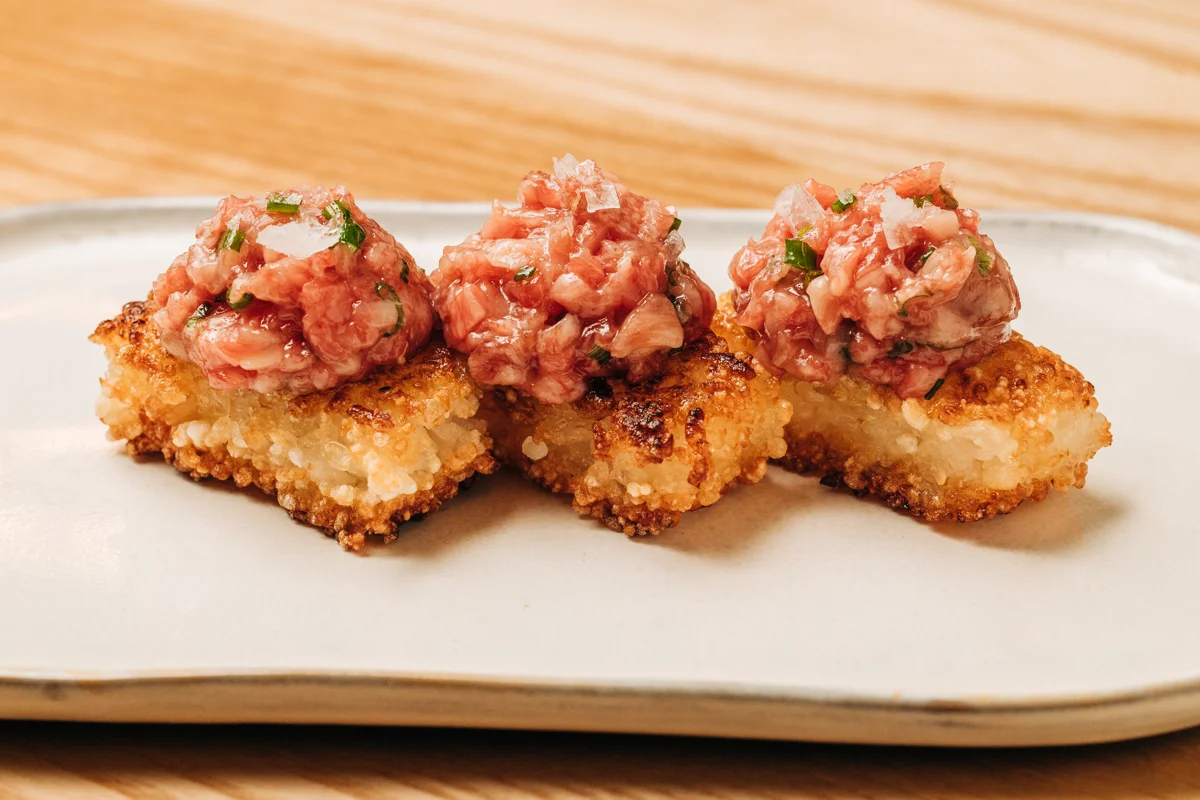 Credit: Lindsay Eberly
 At Sushi San, pressing and then pan-searing rice yields a crispy texture that’s like “a harder potato chip” and the perfect carrier for tuna, king crab or tartare.
Kaze Chan, master chef/partner at Sushi San, says he learned to cook rice on a gas stove and would find himself snacking on the burnt rice stuck to the bottom of the pot. “It tasted really good and I wanted to come up with something that goes with that incredible flavor,” he says. Frying the rice absorbed too much oil, but using a rice press got the right texture and shape, and pan-searing the pressed rice in butter to order added even more crunch and color. “It’s like a harder potato chip and then you can add tuna, salmon, mix up the sauce and toppings and enjoy,” he says.
At 30-unit Detroit-style pizza chain Emmy Squared, everyone fights over the corner pieces of the six- or nine-slice rectangular pies, says Kevin Stoeffler, director of culinary and operation services/regional manager. “It’s because it has the most frico crust. That’s the money piece right there.”
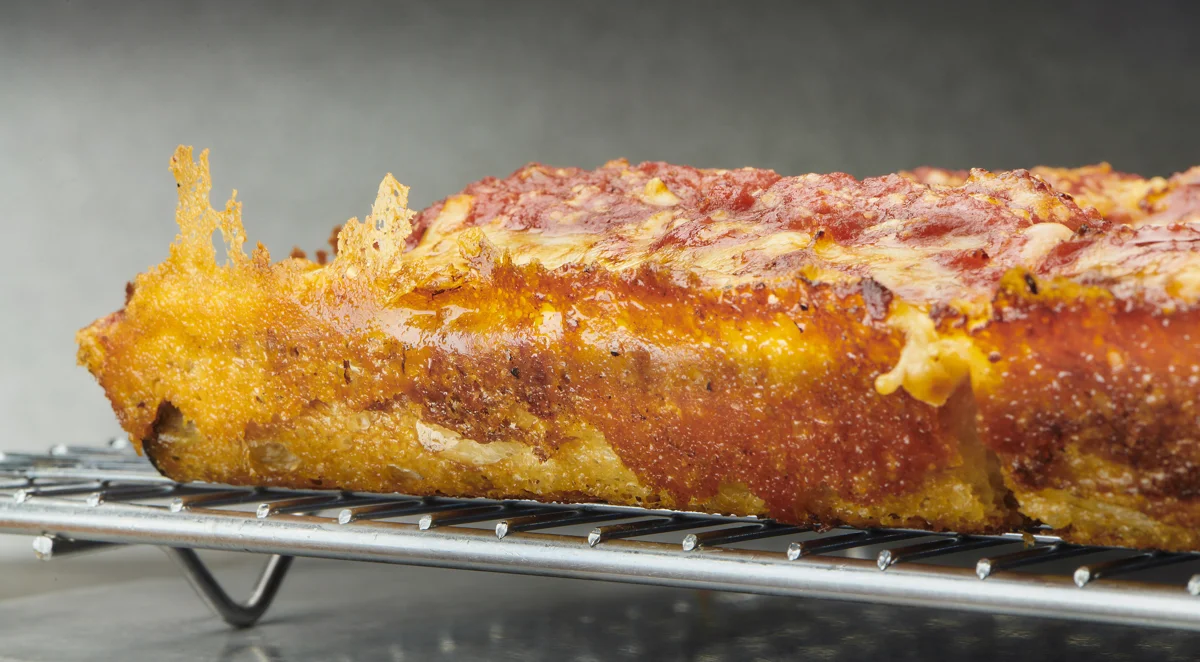 Credit: Emmy Squared
 Detroit-style pizza, as served by brands like Emmy Squared, is known for its golden, crunchy frico that’s similar to a Parmesan crisp.
Frico, a golden crunchy layer of cheese that forms around the edges of traditional Detroit-style pizza (and other pizza styles, too) is attained by preparing the dough in seasoned blue steel pans and building a wall of cheese around the edges where the dough and pan meet. “So when the pizza rises in the oven, the dough presses the cheese against the pan, and you get this nice, crispy caramelization that happens through the baking process, similar to a Parmesan crisp,” says Stoeffler. “In my opinion it’s the best part because you get the crispiness of the cheese in that same bite as the sauce and gooey cheese and the mouthfeel of that dough. It’s absolutely the perfect bite.”
The frico portion of the crust would typically run three-quarters of the way down the pan, but Stoeffer and his team just launched a “skinny square,” made with less dough and more frico. He uses a dough spatula to make sure the cheese goes all the way to the bottom attaining complete frico all around. He says the new style will cater to GLP-1 users and macro-counters looking for pizza with less dough and more cheesy crunch. “I think this is going to be a game changer because you’re not only getting the crispiness of a thinner Detroit-style pie, but you’re also retaining that frico crust,” he says.
At Miami’s modern Italian concept Boia De, desserts get in on the crispy action too, from rice pudding with burnt orange gastric and black rice crispies to lemon olive oil cake with crunchy hazelnut to crispy tiramisu. The latter puts a textural twist on the classic; it begins with egg yolks, sugar, mascarpone, amaro, Kahlua, honey, espresso and cocoa, but instead of soaking ladyfingers in coffee, Chef/Owner Luciana Giangrandi uses Pavesini (thin, crunchy Italian biscuits) in each built-to-order dessert.
“When an order comes in, we quickly dip the Pavesini in espresso, lay those on the plate for the first layer, cover with mascarpone cream and cocoa, then repeat the process. Most tiramisu is made ahead of time so the ladyfingers can soak in the coffee. This gives it a stronger coffee flavor but a uniform texture,” Giangrandi says of the dessert. “We prefer a little bit of crunch.”
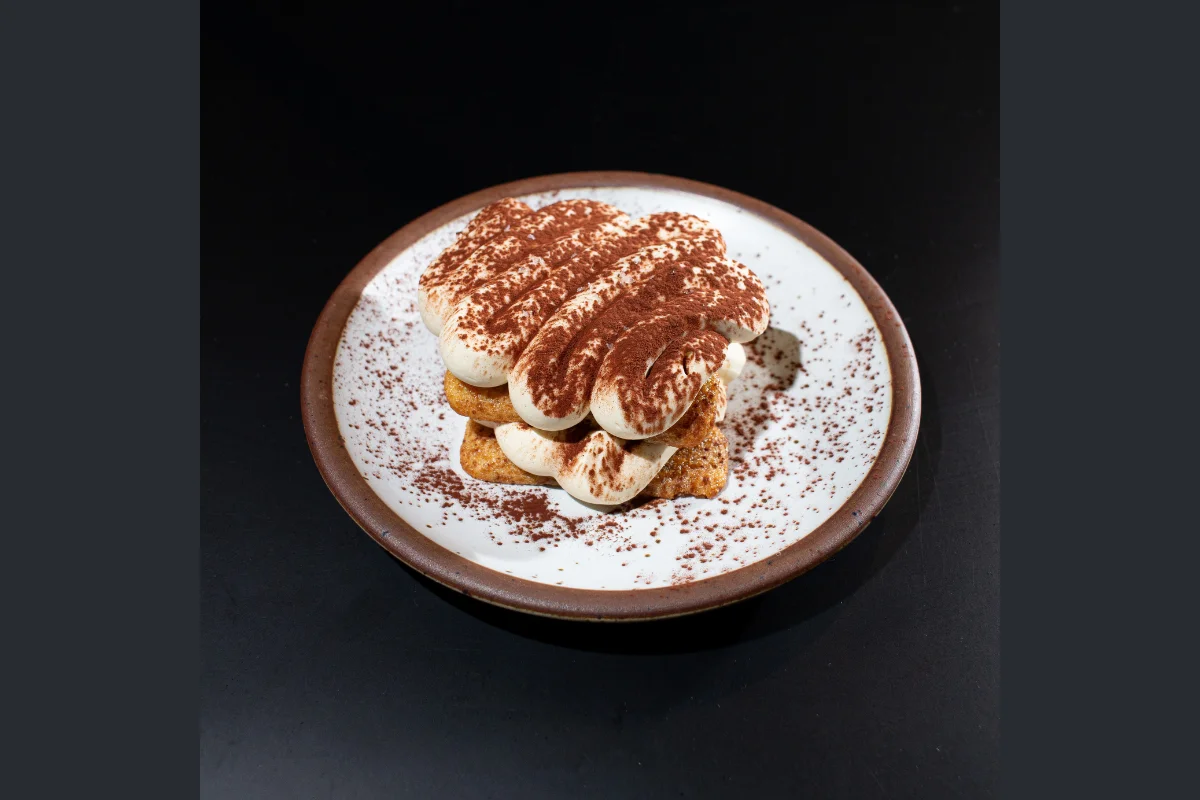 Credit: Beth Rhodes
 Eschewing the typical soaked ladyfingers, the tiramisu at Boia De embraces crunch textures through crispy Italian biscuits that are only briefly dipped in espresso.
Tender Crush founders Chris Barish and Julie Mulligan along with Corporate Chef Stephen Parker sought a uniform texture not only for their famous chicken tenders but also for the ice cream tender desserts that resemble fried chicken, but are far from it. “It’s actually not fried, and it’s not chicken-flavored at all,” laughs Parker, who had seen similar “drumstick” desserts but wanted to make his own version for Tender Crush, which has locations in New York and Las Vegas. He takes vanilla bean ice cream frozen hard, dips it in a vanilla syrup shell and coats it in crushed toffee and cornflakes. Served in hot dog boxes, the sweet tenders come with a choice of strawberry or chocolate dipping sauces.
“It’s like a perfect marriage. Every bite is yummy and crunchy, and you don’t feel like you just drank a huge crazy shake,” says Parker who likes to incorporate crispy textures in everything from tenders to the burgers, salads, and shakes served at his other restaurant, Black Tap Craft Burgers & Beer. “I make sure there’s always something crunchy, whether it’s a piece of lettuce or a crispy onion ring, crushed pistachios on a salad or crunchy Oreos or graham crackers on our New Yorker cheesecake shake. I always think about texture, flavor, salt, sweetness, umami, and try to incorporate all those things into whatever we’re building—sweet or savory.”
About the Author
 Liz Grossman has been a Chicago-based writer, editor and storyteller for 25 years. She’s the former editor-in-chief of Plate, a national, award-winning trade publication for the professional chef industry. As co-founder of the nonprofit storytelling series, Between Bites, Liz is passionate about live lit and giving back to the Chicago food community. She has served as a James Beard judge for the Chef and Restaurant Awards and has also served as a moderator for the FAB, Mise and the CIA Worlds of Flavor and Menus of Change conferences. Her writing has appeared in Newsweek, Chicago, Robb Report, Veranda, Food Service Director and more. Follow her at @elizabites_ChiRead More Stories by Liz Grossman
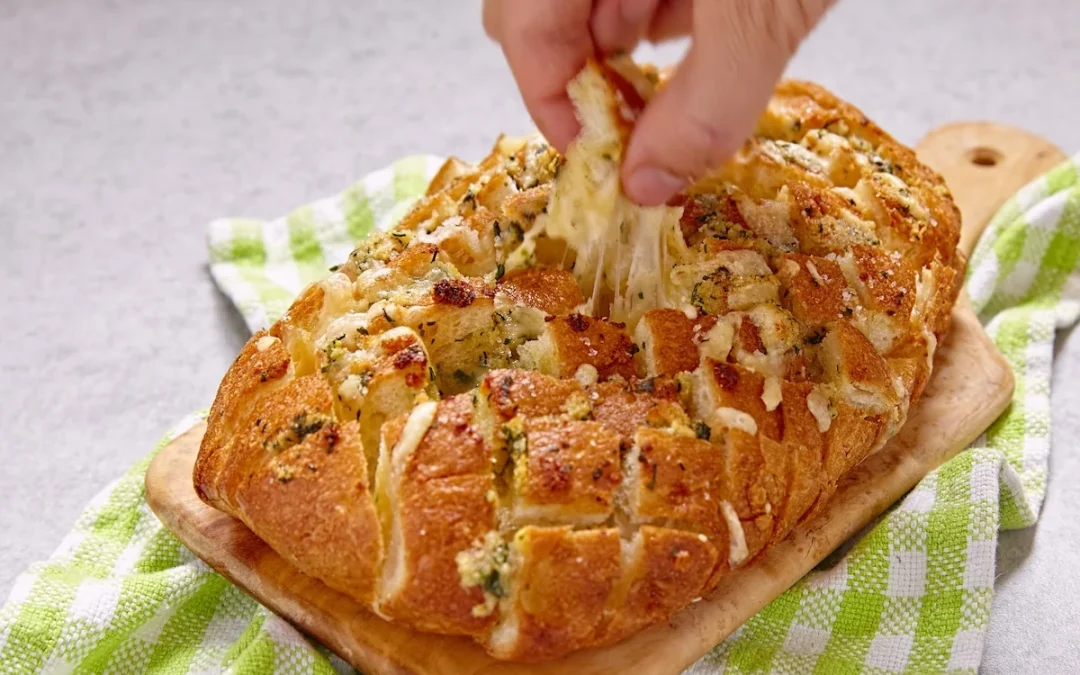
Rip, Tear and Pull-Apart Breads Menuing four fun, interactive styles
Flavor Trends, Strategies and Solutions for Menu Development[google_sidebar_ad adslug="2026-04-Surround-Kens-320x50"...
Tart Cherries Make Flavor Magic Reimagine ways to put their power of sour to work in modern menu development
Flavor Trends, Strategies and Solutions for Menu Development[google_sidebar_ad...
Spread a Little Indulgence Clean-label nut butters deliver dairy-free creaminess with a naturally premium read
Flavor Trends, Strategies and Solutions for Menu Development[google_sidebar_ad adslug="2026-05-Surround-Puratos-320x50"...
