
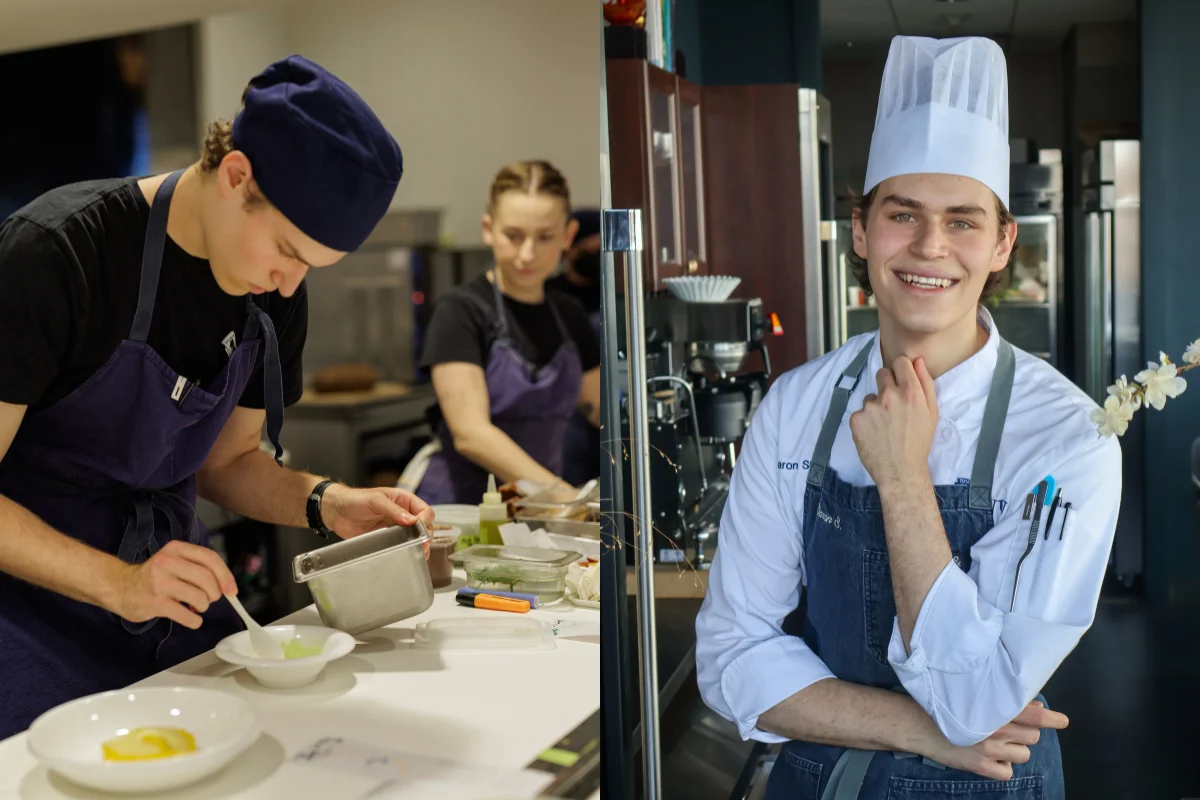
Working at restaurants like The Modern in New York (left) before attending JWU provided junior Daron Sklarn with not only foundational cooking skills but also a sharper direction for his career path.
Generation Next: Bringing an Industry Edge to Culinary School
The future of food is evolving, one culinary student at a time
Though initially intimidated by the size, scale and intensity of these operations, the budding chef says he learned how to be more productive and that “sometimes getting the job done means you have to take a breath and slow down to think of a game plan first.” It’s a sentiment shared by many culinary students and one that Sklarn says has been reinforced in every classroom and work situation he’s landed since age 17. “It was the small things that I learned and practiced so much in these spaces. Those skills will impact my entire career,” he explains. “For example, learning to save footsteps by anticipating what I’ll need at my station not just a minute from now but a half hour from now.”
He credits the chefs he has worked under in helping foster his creativity and work ethic. One told him that chefs are only as good as the last plate they send out, and Sklarn applies this mindset to his work, continuously striving to be the best version of himself. Another chef, Gerardo Torres at Kappo Masa, would let him come in before his shift to bake whatever he wanted and turn those into daily specials. Torrres also showed him the importance of creating for the client, not always for yourself. Meanwhile, Sklarn’s first boss, Manny Colon of Manny’s Bistro, taught him that hard work can pay off, giving him free reign of the dessert specials on weekends.
Even though he built an impressive resume and skill set on the job, Sklarn still held a childhood dream of going to culinary school. His work experiences not only provided foundational skills, they also helped clarify his long-term professional goals and the training he would need to pursue them. JWU’s Culinary Science & Product Development major was the perfect fit. Now a junior, Sklarn is also on track to earn an associate’s in Baking & Pastry Arts along the way, in addition to his B.S. Growing up, Sklarn binged baking shows and soon found that he enjoyed working with chocolate the most. “I love the science behind chocolate and what you can do with it if you understand how it works,” he says.
Currently, he’s spending his spring semester studying at École Nationale Supérieure de Pâtisserie, France’s globally renowned baking and pastry school, where he has learned even more about the culinary possibilities of chocolate.
His advice to incoming JWU students? “Get involved on campus. Join a club!” Sklarn is no stranger to JWU’s vibrant campus ecosystem outside of the classroom. He is the president of the Pastry Arts Club and the vice president of the Culinary Science Club, as well as a member of the President’s Advisory Council and the College of Food Innovation & Technology Student Leadership Council. He also tutors at the Academic Success Center.
Indeed, Sklarn is making the most of his time at JWU and forming as many connections as he can. He knows the value of relationships in the small culinary world. “Get to know every chef possible, even if you will never have them as a teacher,” he advises. “Network as much as possible, especially at events JWU hosts.”
So what can we expect from this young chef after JWU? Chocolate, of course. He plans to continue working in restaurants for a few years before transitioning to the culinary science realm, where he can develop innovative solutions in the retail chocolate and dessert spaces.
Ultimately, Sklarn hopes his work will include traveling the world and educating people about the endless possibilities and quality of life that comes when working with great chocolate. “I want experiences that make me fight to be the best version of myself possible every second of the day,” he says.
About the Author

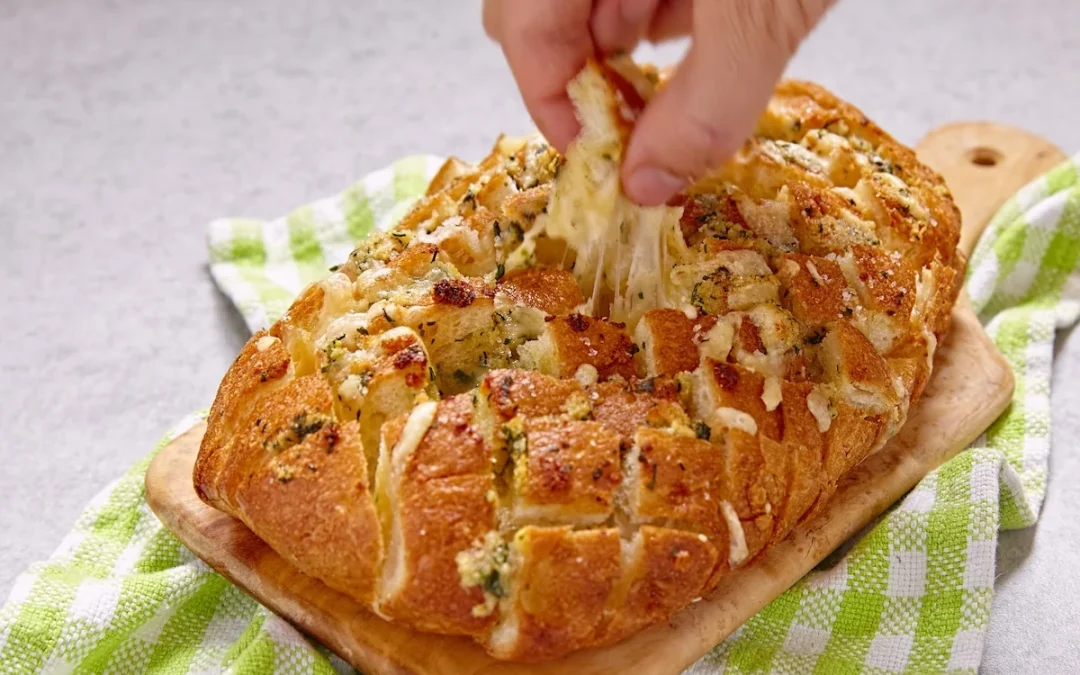
Rip, Tear and Pull-Apart Breads Menuing four fun, interactive styles
Flavor Trends, Strategies and Solutions for Menu Development[google_sidebar_ad adslug="2026-04-Surround-Kens-320x50"...
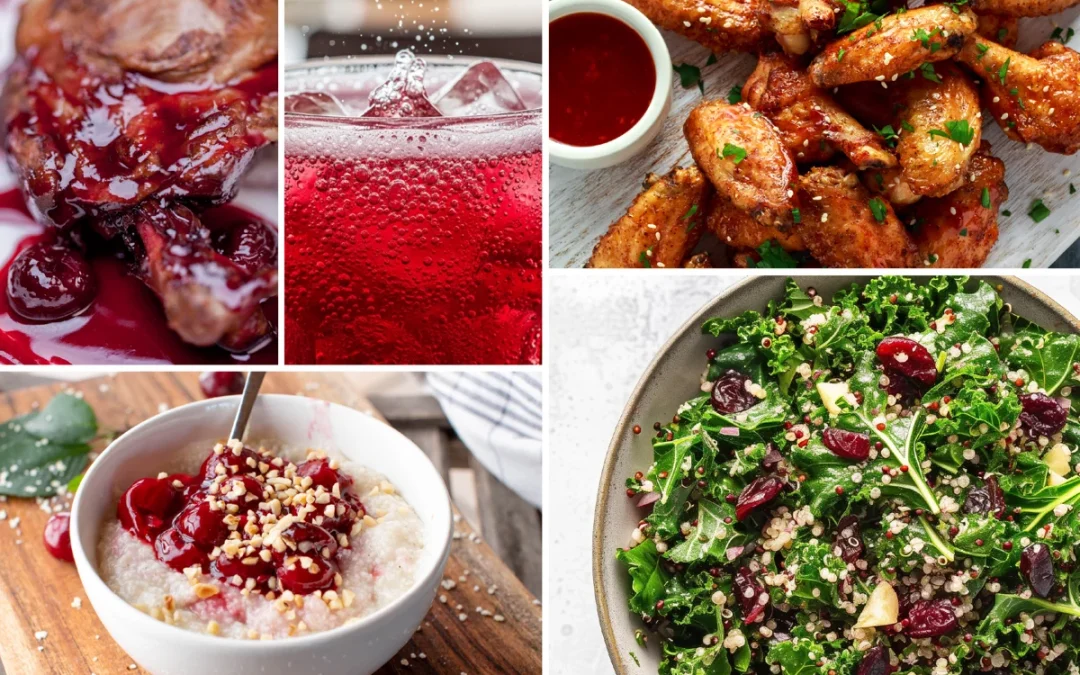
Tart Cherries Make Flavor Magic Reimagine ways to put their power of sour to work in modern menu development
Flavor Trends, Strategies and Solutions for Menu Development[google_sidebar_ad...
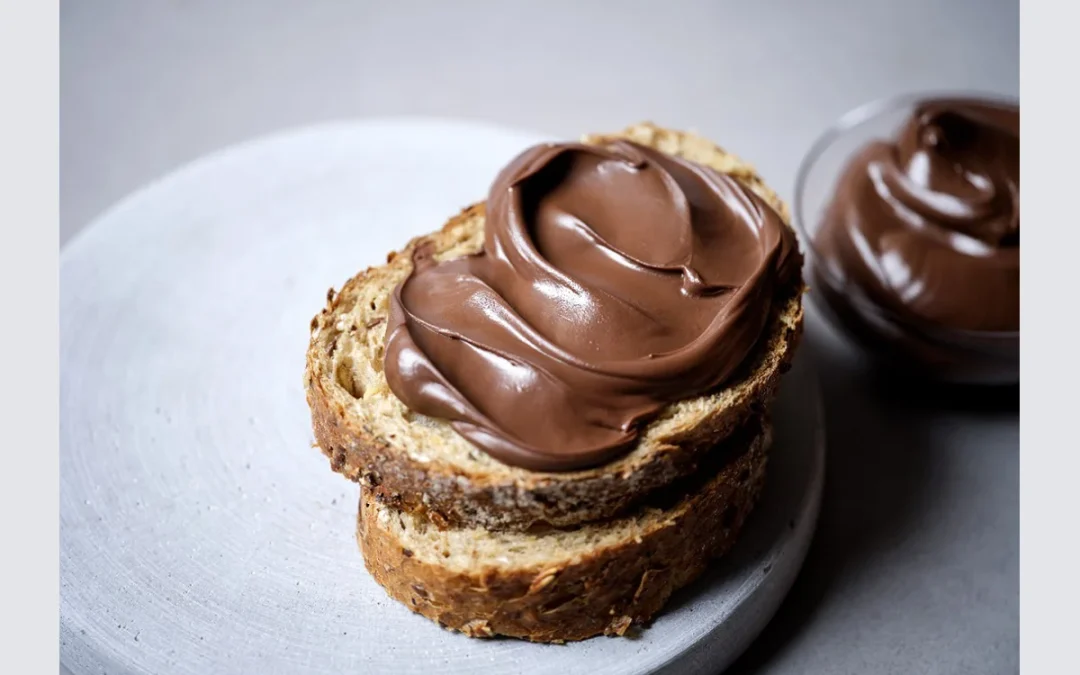
Spread a Little Indulgence Clean-label nut butters deliver dairy-free creaminess with a naturally premium read
Flavor Trends, Strategies and Solutions for Menu Development[google_sidebar_ad adslug="2026-05-Surround-Puratos-320x50"...
