





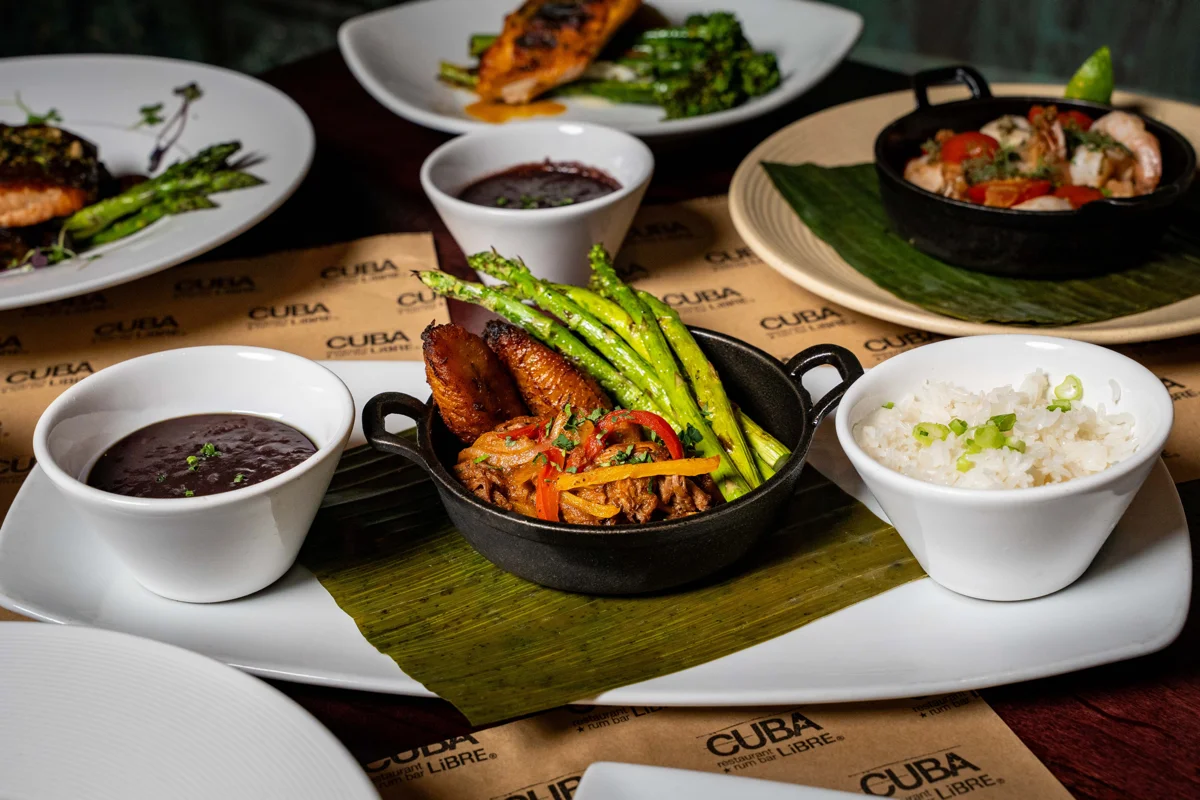
Micro-chain Cuba Libre is among the restaurant brands already taking steps to serve the growing GLP-1 population. Last fall, it launched the GLP Wonderful menu that was specifically engineered to balance nutrition, digestibility and craveable flavor, with options like the Ropa Vieja: slow-braised, shredded and stewed beef brisket with tomatoes, bell peppers, onions, rice, beans and asparagus.
Credit: Cuba Libre
Special Report
How GLP-1s Are Transforming Modern Menus
Inside this growing population, their appetites and taste preferences
In just the last quarter century, the restaurant industry has experienced multiple seismic shifts. The Great Recession triggered the rise of food trucks, encouraging chefs to experiment with elevated, creative fare in a nontraditional space. In the early 2010s, the growth of foodie culture carried that bootstrap mentality into the emerging fast-casual segment, with restaurants serving bold—often global—flavors in an approachable, build-your-own format. And then in the aftermath of COVID-19 shutdowns, a deep appreciation for unique, in-person experiences took root; novelty had been a major driver before the pandemic, but in its wake, moments of connection became just as important, leading chefs to think of flavor in a more holistic way.
Now, the question is whether another wave of disruption is poised to impact foodservice. Like others before, its onset has been rapid, belying the breadth of its significance. But the source of this sea change is not the economy or a global pandemic but rather a medication: specifically GLP-1s.
“There’s a huge shift that will probably be a permanent shift in health and wellness, and it’s always been there, but never to the degree it is now,” says Gabe Caliendo, co-founder and VP of R&D at casual-dining brand Lazy Dog Restaurant & Bar.
Indeed restaurants are already seeing the implications of this changing landscape firsthand.
“We have seen a measurable increase in petite entrée selections over the past year,” says Thomas Dritsas, corporate executive chef of Truluck’s Ocean’s Finest Seafood & Crab. Like Caliendo, he views GLP-1s as a driving factor within a much bigger trend. “I believe this is a long-term behavioral shift, not a short-term blip. GLP-1s accelerated the conversation, but the broader movement toward intentional dining was already underway. At Truluck’s, we view this as an opportunity to sharpen our craft, not dilute it.”
Taste Transformation at the Biological Level
GLP-1s (glucagon-like peptide-1 receptor agonists) are naturally occurring hormones that regulate appetite and increase a feeling of fullness. Medications of the same name, which mimic these hormones, first came onto the market in 2005 as a treatment option for type 2 diabetes. Then, about five years ago, the FDA approved the drug for weight management. Since then, the numbers have swelled at an astounding rate. A survey from Gallup found the percentage of Americans taking GLP-1s jumped from 5.8 percent in early 2024 to 12.4 percent in mid-2025—more than doubling in less than two years. And that number could experience even more growth this year. In January, a more affordable, easy-to-administer oral version of the drug became available in the U.S., with a second brand following suit in early April.
Mattson, an innovation firm that helps both operators and food suppliers with menu and product innovation, has established an ongoing panel, comprising physicians, healthcare providers and current and former GLP-1 users, among others. Over the past three years, this focus group along with proprietary research have revealed certain trends in both CPG and foodservice.
“We were hearing from the community that the food noise that was driving their behavior is really dulled on the medication. And then there are the changes in what they need more or less of and what foods they’re attracted to,” says Katie Hagan, chief innovation officer at Mattson. “It’s going to guide foodservice because this a growing community; it’s about 12 percent of the population right now, but technically up to half of the population is eligible for these medications, based on body-mass index and comorbidities.”
What’s more, current data shows that nearly a quarter of U.S. households include a GLP-1 user, implying these emerging food preferences are impacting about one out of every four consumers. “When you think about how restaurants accommodate other dietary issues, they’re all dwarfed by this one. Even in its current 12 percent, it’s double the percentage of people with food allergies, and it’s triple the gluten-free population,” Hagan adds.
Given the rapid growth of GLP-1s in a relatively short time, it’s unsurprising that thinking about the drug in the context of consumer habits is just now starting to catch up.
“We’ve been banging the drum for three years. While we saw Smoothie King come out with its GLP-1-friendly menu, it was just waiting, waiting and waiting after that. We were thinking, ‘Someone has to take this seriously,'” says Hagan’s colleague, Barb Stuckey, chief new product strategy officer at Mattson.
But now, several major brands are jumping into action with offerings geared specifically to this group. In December, Chipotle introduced its High Protein Menu, with two bowls, a salad, burrito, taco and “cup” of Adobo Chicken. Two of these items, the High Protein-High Fiber Bowl and the High Protein-Low Calorie Salad, are specifically called out as GLP-1-friendly. That same month, Shake Shack unveiled its Good Fit Menu, featuring half a dozen items (five of them wraps plus a gluten-free burger). And in January, Subway kicked off the new year with its four Protein Pockets, each served in a soft tortilla. Although there was no mention of GLP-1s in the product descriptions, the emphasis on protein is front and center.
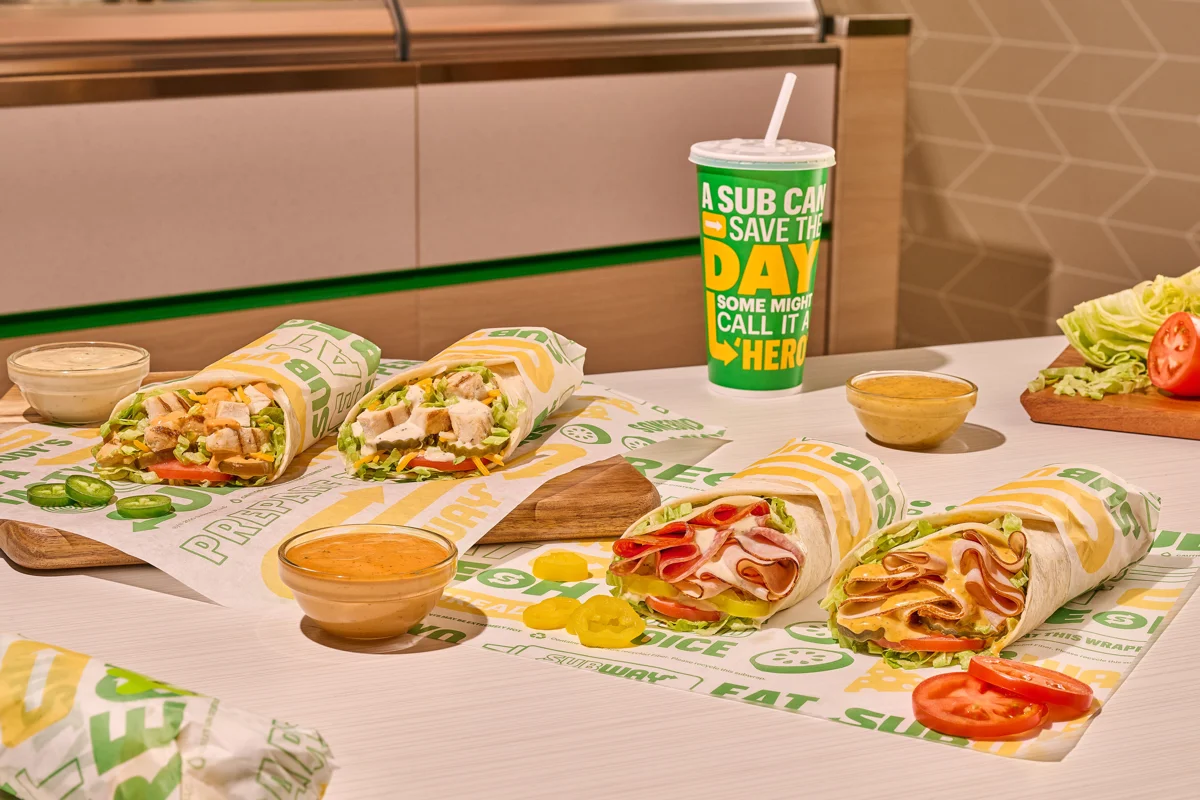 Credit: Subway
 While Subway’s Protein Pockets aren’t explicitly branded as GLP-1-friendly, the smaller-portioned, protein-forward items demonstrate a viable route for fast food to reach this consumer group.
Meanwhile, Sweetgreen, already a natural fit for GLP-1 users, partnered with Dr. Mark Hyman’s Functional Health membership platform to create the Sweetgreen x Function Menu. Among the five curated dishes are the Nutrient Power Plate (blackened chicken, roasted sweet potatoes, spicy broccoli, chickpeas, pickled onions, almonds, wild rice, golden quinoa, olive oil and lemon squeeze) and the Spicy Reset Bowl (blackened chicken, avocado, shredded cabbage, apples, chickpeas, nori sesame seasoning, wild rice, shredded kale, olive oil, hot sauce and lemon squeeze). In addition to high protein and fiber content, these dishes eschew rich ingredients like cream-based sauces in favor of balanced fats (avocado, nuts, olive oil) and bright flavors (citrus, tang, heat).
While the Mattson team doesn’t have specific numbers on which types of restaurants GLP-1 users are flocking to, Stuckey does think some are more prepared for this community than others. “The implications are different by segment. It makes sense that fast casual would be able to adjust because usually you have the option of picking things. You don’t have always that option at quick-service restaurants—it’s already made for you, and you’re going to get what you get,” she says. “Ultra-processed, high-fat, really indulgent meals at quick serves just aren’t going to resonate.”
As a general rule of thumb, patients taking GLP-1 medications are advised to eat smaller portions with high protein and fiber content while avoiding high-fat, sugary and ultra-processed foods. And unlike other diets, GLP-1s have something like a built-in guardrail, with users citing specific cravings and aversions.
“If it’s something that’s loaded with protein and fiber but is also super fatty, you’ve lost the thread,” Hagan says. “The GLP-1 user will likely see through that right away.”
According to Datassential, GLP-1 consumers have noted a marked uptick in their craving for fresh fruits and vegetables-45 percent and 41 percent, respectively-and a decrease in their desire for ultra-processed foods. Also of note is the frequency at which texture appears in conversations with GLP-1 users.
“Texture comes into play in ways that we wouldn’t traditionally think of for foodservice,” says Erin McGlothlin, Mattson’s senior innovation manager. “In some of our interviews with current and former GLP-1 users, we actually heard cucumbers—their texture and their crunch—described as ‘tantalizing.’ When you’re thinking about a menu, you wouldn’t necessarily think of putting cucumbers on it to be ‘tantalizing.’ But it’s just a new way users are experiencing texture.”
Aligning Culinary Satisfaction With Metabolic Reality
Beyond uncovering taste, texture and other flavor preferences, restaurants should take heed of another hurdle in reaching the GLP-1 consumer, namely the degree to which it can reduce appetite. For some, the drug doesn’t just quiet food noise—it mutes it altogether.
“A lot of times, healthcare providers will recommend setting alarms at certain times throughout the day to remind patients to eat,” says Kylie Reed Jeffrey, a researcher with the Center for Gastrointestinal Biology and Disease (CGIBD), a collaborative center based in the Research Triangle area of North Carolina. “The medication biologically suppresses patients’ desire to eat, but that doesn’t mean it suppresses their need to eat.”
And although protein, the macronutrient de jour, is a critical element for people taking GLP-1s, it’s not the be-all end-all. Jeffrey cites recent findings in which nearly one in three people taking the medication will experience a nutritional deficiency within 12 months. “If you just focus on protein and are eating blocks of Parmesan cheese and a chicken breast, then you’re getting no fiber and almost no micronutrients,” she explains. “The main thing that becomes important from a nutritional perspective is diversity and quality of the diet.”
Lasting, meaningful shifts in diet are multifaceted and largely dictated by larger food systems and culture. But restaurants can still help consumers on this journey by bringing a new intentionality to menu development.
Cuba Libre Restaurant, with locations in Philadelphia, Atlantic City, N.J., Orlando, Fla., and Washington, D.C., has taken a proactive approach in servicing this growing consumer segment. Angel Roque, culinary director, collaborated with Philadelphia-area internist and weight-loss specialist Dr. Charlie Seltzer to create the GLP-Wonderful Menu. Available upon request, the menu includes entrées like Ropa Vieja (braised, shredded and stewed beef brisket with tomatoes, bell peppers, onions, rice, beans and asparagus) and Camaron Salteado (sautéed shrimp with grape tomatoes and fresh herbs, rice, beans and avocado). This menu also includes nutritional information for each dish: calories, fat, fiber, carbohydrates and protein.
“Working with Dr. Seltzer elevated the menu from concept to clinical credibility. As chefs, we think in texture, aroma and flavor arcs. He helped us think in glycemic response, satiety signaling and gastrointestinal tolerance,” Roque says. “It pushed us toward a more science-informed culinary model, which I believe is the future of hospitality.”
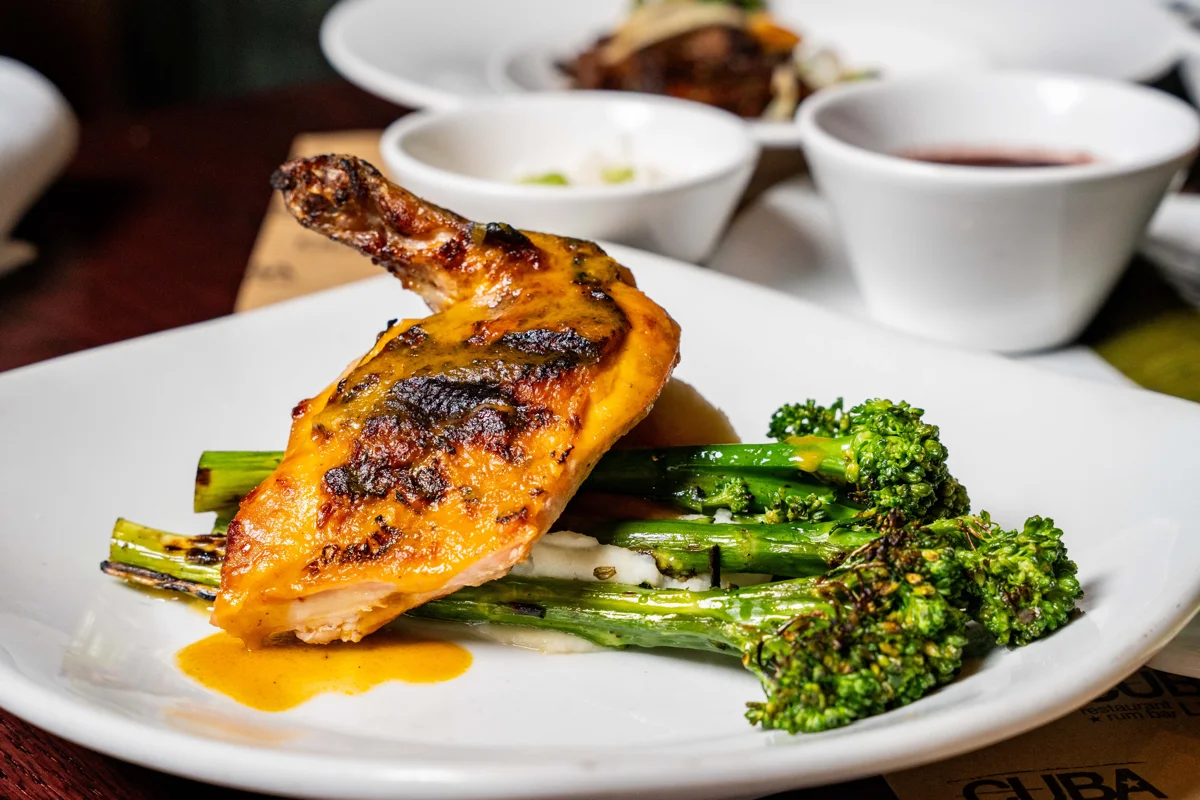 Credit: Cuba Libre
 At Cuba Libre, dishes such as the Pollo Asado lean into fiber-rich ingredients like broccolini and controlled portions of starches like garlic mashed potatoes to support digestion without creating discomfort.
Science does play an important role in understanding the GLP-1 consumer. Reducing portion sizes and upping protein content are good first steps, but the process is much more nuanced. “Many restaurants’ high-protein offerings are not crafted specifically for the GLP-1 drug user. Protein and portion size are foundational—but they are not the whole story,” Roque explains.
A few additional strategies the chef employs revolve around the order of the meal, the texture of the foods and macronutrients. Meals should be structured so that protein-centric dishes are consumed first, thus stabilizing blood sugar and enhancing satiety, he says. Textures should be tender (think: braised brisket and grilled fish). Lastly, healthy fats must be properly balanced, “enough for flavor and absorption, not excess heaviness,” he explains.
Although some GLP-1 users are sensitive to overly spicy or acidic foods, small amounts of high-impact ingredients can transform a dish. Dressings that tap citrus, miso or even a bit of apple cider vinegar punch above their weight, imbuing depth of flavor but not heft. Spices and herbs that are brightened by salt also dial up taste.
“Guests using GLP-1s often gravitate toward high-quality proteins with controlled richness,” says Truluck’s Dritsas. “From a culinary standpoint, the focus is depth of flavor without heaviness. We build complexity through technique—precision cooking, acid balance, fresh herbs, layered seasoning—rather than relying solely on butter or cream. Texture and finish matter greatly. The goal is intensity without excess.”
And that flavor intensity has to hit—fast. GLP-1s affect satiety, so many users find themselves full much sooner than they normally would. “This wasn’t about diet food—it was about culinary satisfaction aligned with metabolic reality,” Roque says.
Easy Menu Modifications
Many culinary traditions (classic French cuisine perhaps being the most notable) depend on heavy creams, butters and other rich ingredients as flavor carriers, so placing a moratorium on such ingredients can challenge the foundational cooking techniques of many chefs. And as Stuckey points out, culinary school, or even on-the-job training, doesn’t typically encompass lessons on macronutrients and the science behind digestion.
“Nutrition is complicated and figuring out how many grams of protein and fiber are in a bowl is not easy. You’ve got to do a lot of research. I wonder if maybe there could be some help behind the scenes to usher chefs into this new era of GLP-1 cuisine and how it’s really guided by nutrition,” she says, noting the need for additional guidance in this new era of nutrition-minded cuisine.
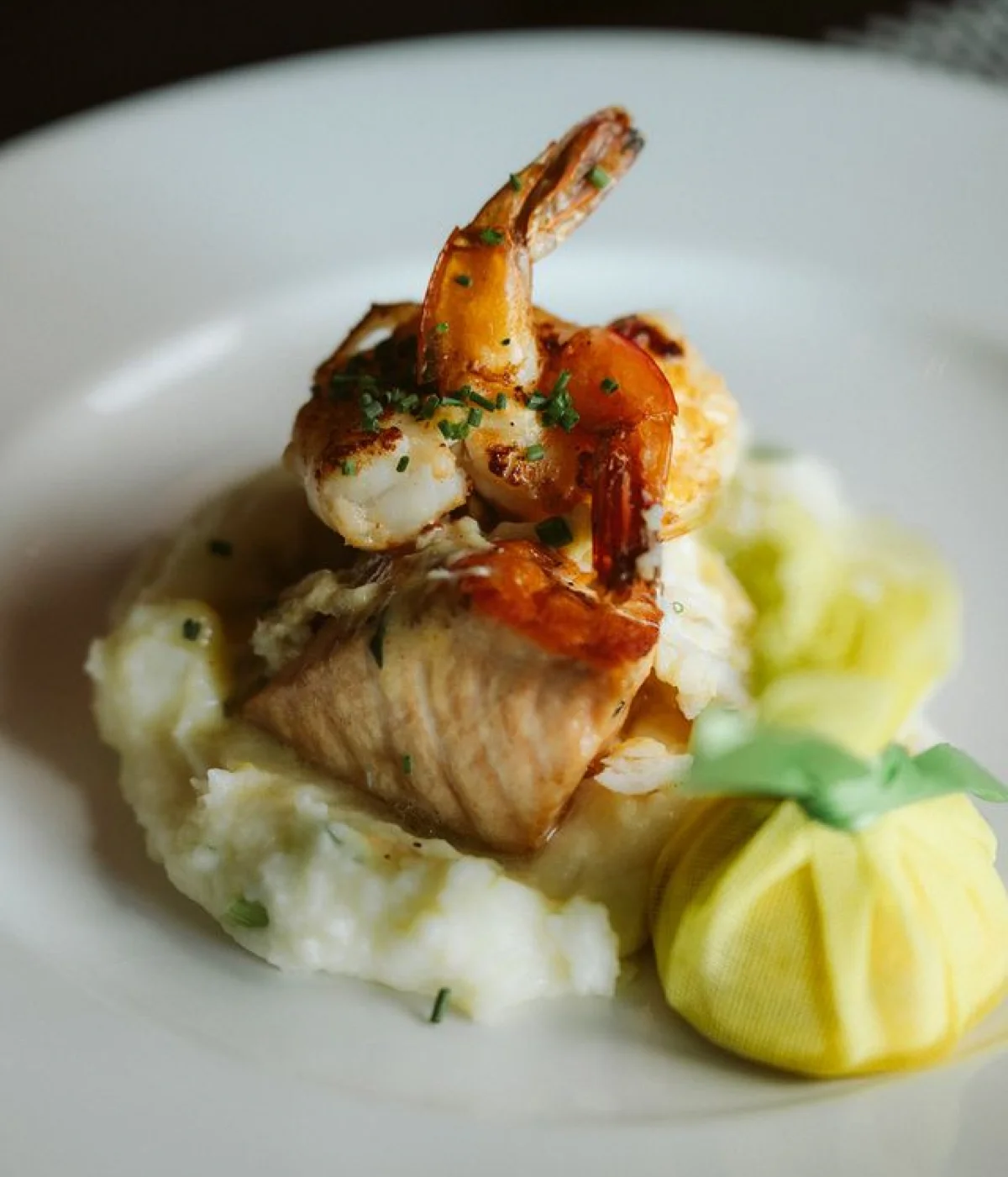 Credit: Truluck’s Ocean’s Finest Seafood & Crab
 Truluck’s has experienced an uptick in orders of its petite-portion entrées, suggesting GLP-1 guests still crave indulgent, fine-dining fare, just in a smaller size.
If the GLP-1 surge proves to be the game changer some are predicting, it could usher in a new era of culinary training and menu development. Understanding even the basics of how GLP-1s impact appetite can give menu developers a major leg-up in crafting dishes that appeal to these consumers. Restaurants might consider collaborating with health experts (physicians, nutritionists, etc.) and/or consulting firms. They can also start right away with simple changes that better serve this growing population—no menu overhaul required.
Portion sizing is an easy, and often cost-effective, place to start. GLP-1 users might shy away from processed, fatty foods, but it doesn’t mean they’re not open to indulgence—they just need a smaller (perhaps, less unctuous) amount.
“Fortunately, we were already positioned well before GLP-1s became a mainstream topic,” says Dritsas. “At Truluck’s, we have long offered refined, smaller-format portions because our guests value balance and choice. What has shifted is the intentionality behind those selections. Guests still want prime seafood, Florida stone crab and beautifully executed dishes—they simply want them in a portion that aligns with how they are eating today. The demand has moved from optional to strategic.”
While seafood has an inherent edge for being lean and mostly easy to digest, richer animal proteins have a role to play here, too. “It’s not that people aren’t coming to steakhouses—they are—but what they’re ordering is going to be the smallest filet the steakhouse serves. They want every bite to be a super-premium luxury they’re allowing themselves,” Stuckey says.
Smaller portions can work well on the numbers side, too. Cuba Libre’s GLP-Wonderful options are roughly half the size of similar items on the regular menu and priced about 25 percent less. “What could work out for operators is downsizing in a certain way and then making sure the price point is right for them,” Stuckey adds. “It takes as much effort to sell a small steak as it does to sell a big one, so you want to put your effort where it’s going to be appreciated.”
In January, Lazy Dog introduced its Mindful Meals menu, which, while not marketed specifically for GLP-1 users, checks many boxes associated with their eating habits. “You’ve got the GLP-1 use. You’ve got less alcohol consumption. You’ve got high protein, high fiber—all under the halo of being healthier,” Caliendo says. Among the offerings are Thai Chicken Salad (with napa cabbage, mint, cilantro, carrots, peanuts, red bell peppers, cucumbers and spicy peanut vinaigrette), Wild-Caught Sea Bass (pan-roasted and served atop cauliflower mash and roasted veggies with a finish of garlic-herb crouton crackle, basil oil drizzle and lemon-caper cream) and the Protein Crunch Bowl (oven-roasted chickpeas, jammy egg, feta, avocado, tomato with a choice of chicken, salmon or steak and a side of honey-apple cider vinegar).
Although the Protein Crunch Bowl is a new addition, the other dishes were existing items that the chef and his team compiled as a “one-stop shop” for diners seeking healthier options. The timing of the launch was also deliberate; Caliendo says the “New Years resolution effect” has been particularly notable in recent years, and while health-forward options have been a part of the Lazy Dog menu from the start, the brand hasn’t always promoted those offerings.
A few months in, and the campaign is already proving to be a success—an effect that can be largely attributed to the new Mindful Meals section since all but one of the offerings already appeared on the menu. Now those items get double billing. It goes to show that something as simple as curating existing menu items into a special category can help restaurants meet GLP-1 users where they are.
 Credit: Lazy Dog
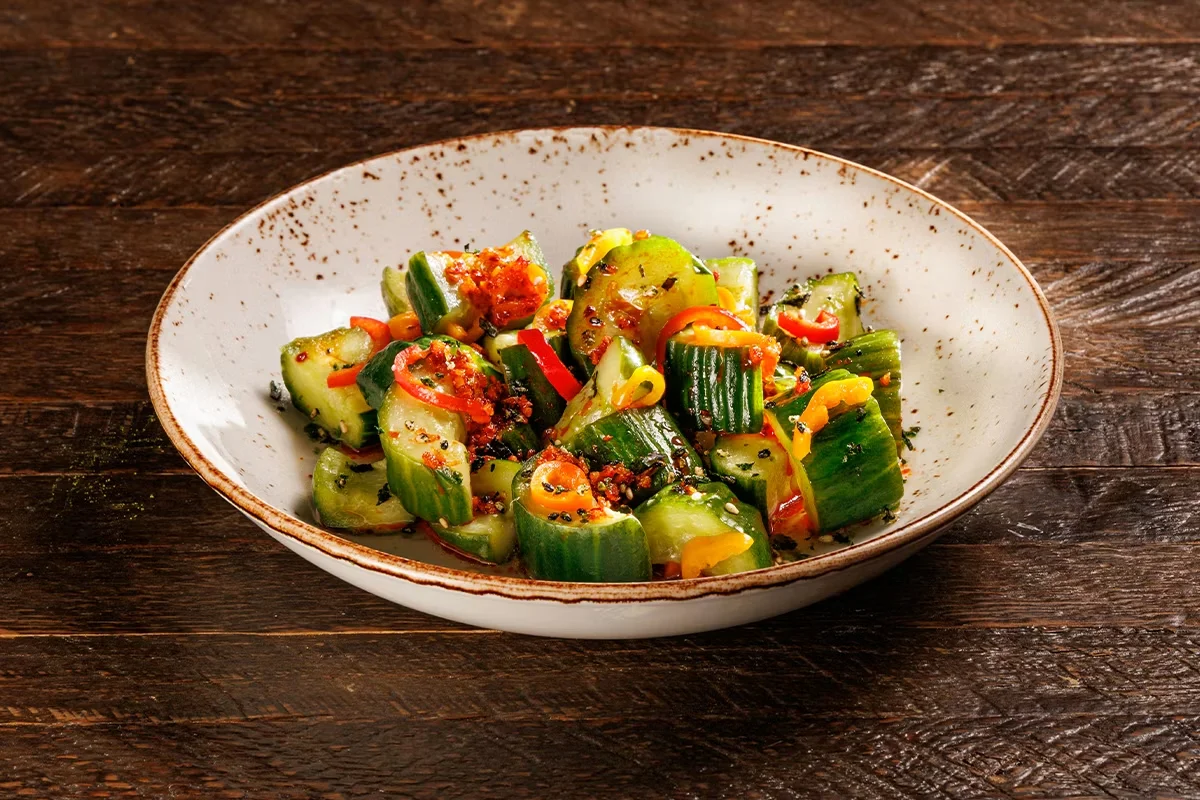
 In addition to Mindful Meals, Lazy Dog has introduced small bites, like the Chili Cucumber Salad, that meet GLP-1 needs, encouraging guests to curate their own plate.
As for the Protein Crunch Bowl, it’s proving to be a versatile player across dayparts and protein selections. “It’s almost evenly split between the chicken, steak and salmon, when normally there would be a leader of the pack,” he says. “It’s also pretty even between lunch and dinner. Maybe a guest is ordering it with chicken or salmon for lunch, but then skewing to steak for dinner. Either way, it’s a big success in that our guests are ordering it during both dayparts.”
Whether new dishes fall under the Mindful Meals section of the menu, Caliendo and his team continue are keeping GLP-1 consumers in mind. The chef says he could see guests mixing and matching items from the Bites + Small Plates section to make their own small meals. “Whether you’re on a GLP-1 or just trying to eat healthier, you can order some Chili Garlic Cucumbers, or maybe an order of Tikka Masala Meatballs and some of our Togarashi Edamame or Roasted Red Pepper Hummus,” he says. “It’s like next-gen tapas.”
A Shift Beyond GLP-1s
The data pouring in around GLP-1 prescriptions and subsequent lifestyle changes are momentous. If this growth halted now—a scenario that seems increasingly unlikely—more than one in 10 Americans would still be taking the medication.
Making small yet strategic menu changes that cater to GLP-1 diners will be a win for consumers. “If we shifted to a model of smaller portions, you are benefiting everyone,” CGIBD’s Jeffrey points out. Mattson’s Hagan echoes this point: “The way the GLP-1 user needs to eat is not a bad idea for a lot of people, whether or not they’re on the medication.” And unlike, say, a gluten-free diet, which is defined by clear restrictions, these eating habits are less rigid and align with general healthy-eating guidelines.
Jeffrey also sees a potential cultural shift, albeit from a different lens. Last year, she traveled to northern Spain where pintxos reign supreme. “The style of eating is so different; in between courses, you have time to digest and so you’re more in tune with your hunger and fullness signals,” she says. “Pintxos are in some ways the most GLP-1-friendly style of eating. Plus, you have the social component.” Indeed, doubling down on interactive elements, from social interactions to unique dining experiences, can keep guests coming into restaurants, even if their appetites are curbed.
GLP-1s are proving to be a driving force in today’s menu development. They are part of a movement helping to create menus that challenge classic paradigms, rethinking flavor with a scientific slant. After all, it’s working at Cuba Libre. In late January, the Philadelphia and D.C. locations added three GLP-Wonderful dishes to the Lighter Portions, Lighter Prices, Healthfully Balanced section of the regular menu, with no mention of GLP-1 or macronutrients. “We did this because we learned that many people not on GLP-1s eat in a similar fashion,” Roque says. “These dishes immediately became popular, selling about a third as many as the similar full-sized versions of the dish.”
Lazy Dog’s Caliendo thinks this movement has staying power because it aligns so seamlessly with the natural dining habits of younger consumers.
“You can ask a 6 year old what chia seeds are, and not only do they know what chia seeds are, they can also tell you how to make a pudding. Today’s youth is likely going to be eating healthier than previous generations,” he says. “Plus, the mindset of the country has really changed. It’s been moving toward more mindful eating and drinking. I think GLP-1 usage is a touchpoint of a much larger movement.”
Learn more about creating GLP-1-friendly dishes next week in the second half of this two-part exclusive.
About the Author
 Nicole Duncan is the digital managing editor of Flavor & the Menu. She's reported on the restaurant industry for a decade, most recently as the editor of FSR magazine. In 2021, she won a Folio award for her feature on restaurant tycoon Tilman Ferttita. The following year, FSR was awarded Best Overall Issue for its May 2022 issue featuring Andrew Zimmern. She has profiled well-known chefs including Paola Velez, Fabio Viviani and Daniel Boulud, but also relishes the opportunity to spotlight under-the-radar trends and innovators.Read More Stories by Nicole Duncan

Rip, Tear and Pull-Apart Breads Menuing four fun, interactive styles
Flavor Trends, Strategies and Solutions for Menu Development[google_sidebar_ad adslug="2026-04-Surround-Kens-320x50"...
Tart Cherries Make Flavor Magic Reimagine ways to put their power of sour to work in modern menu development
Flavor Trends, Strategies and Solutions for Menu Development[google_sidebar_ad...
Spread a Little Indulgence Clean-label nut butters deliver dairy-free creaminess with a naturally premium read
Flavor Trends, Strategies and Solutions for Menu Development[google_sidebar_ad adslug="2026-05-Surround-Puratos-320x50"...
