




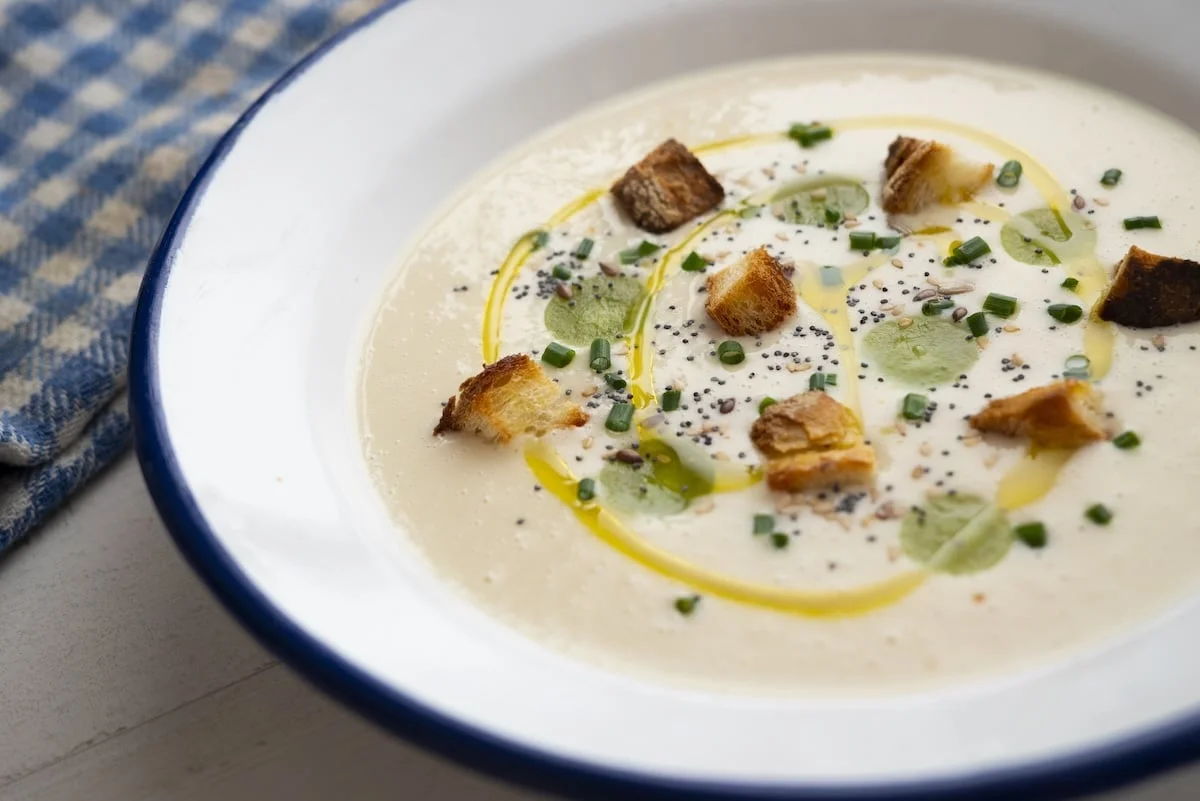
Ajo Blanco, a white gazpacho from the Andalusian region of Spain, achieves its signature creaminess through a nut paste instead of cream.
Credit: Al Gonzalez
The Refined Allure of a Creamy Mouthfeel
New ways to create the familiar texture
It is important to note that creaminess means something completely different to people of different cultural backgrounds. Roux-thickened New England clam chowder, goat cheese from the Loire Valley and the yolk inside a Japanese onsen egg are all creamy, silky and smooth, but in vastly different ways. Today’s consumer is savvy enough to know that dairy ingredients and traditional French culinary preparations aren’t the only way to achieve these coveted textures. An indulgent spoonful or sip of creamy deliciousness can come from plants, starches and mechanical techniques.
Let’s take a look at a few common ingredients and novel strategies that are cropping up on menus, balancing the familiar with new.
Purée Away
Across the world, nuts have been used for centuries as a way to thicken gravies and sauces. Some sources even claim that the first gravy was actually an Old English rabbit stew from the Middle Ages that was thickened using nuts. The texture was “grainy,” and due to a misspelling somewhere along the way, the word for such thickened sauces became gravy. Today, chefs can easily grind nuts into a smooth paste, as seen in dishes like ajo blanco (a chilled Spanish almond gazpacho) or tarator, a Levantine/Turkish walnut sauce.
But the best route to a luxuriously smooth mouthfeel involves softening the nuts, which increases the water content. When blended at high speed, nuts emulsify with their own fats and create an ultra-creamy base that can be used for soups, dressings, binders and more. Chefs can soften nuts by soaking them for several hours or speed up the process with sous vide, wherein the nuts are vacuum-sealed and poached until softened. This technique is used to make cashew or walnut cream, yielding a smooth building block for a protein-rich and dairy-free beverage, sour cream or cultured cheese alternative.
Blending non-dairy, fat-rich foods with nut-based milks can mimic the mouthfeel of full-fat cream dessert. Avocado, when puréed at high speed, makes a great guacamole-style sauce that can be squeezed from a bottle as a garnish. And when combined with cocoa, maple syrup and nut-based milk, the result is a velvety chocolate mousse. Top it with berries, and guests will assume it was made with whipped cream.
Legumes are often said to have a creamy mouthfeel when cooked properly. And hummus, being one of the most iconic and versatile foods, can play the role of anchor ingredient, flavor carrier, spread, topping and everything in between. A master tip to achieve the silkiest and smoothest texture possible is to add ice cubes to the food processor or blender when combining the legumes, garlic and olive oil together. This not only increases the volume, but the water in the ice stays suspended in the purée in an almost science-defying emulsion. As it melts, the ice creates an airy, fluffy and ultra-smooth hummus. This technique can be used with any legume, yielding a sumptuously textured hummus.
Like hummus, preparing toum, a staple Lebanese garlic dip, relies on the perfect balance and blending technique for a light and creamy, but pungent and addictive condiment. Garlic has protein and carbohydrates, which are often used in emulsions, but it is the saponins, or foam-producing molecules in garlic, that act as the hero of any garlic emulsion. Chefs can also poach garlic in water or milk to soften its intensity.
Egg-Centric Approach
 Credit: Nicole Duncan
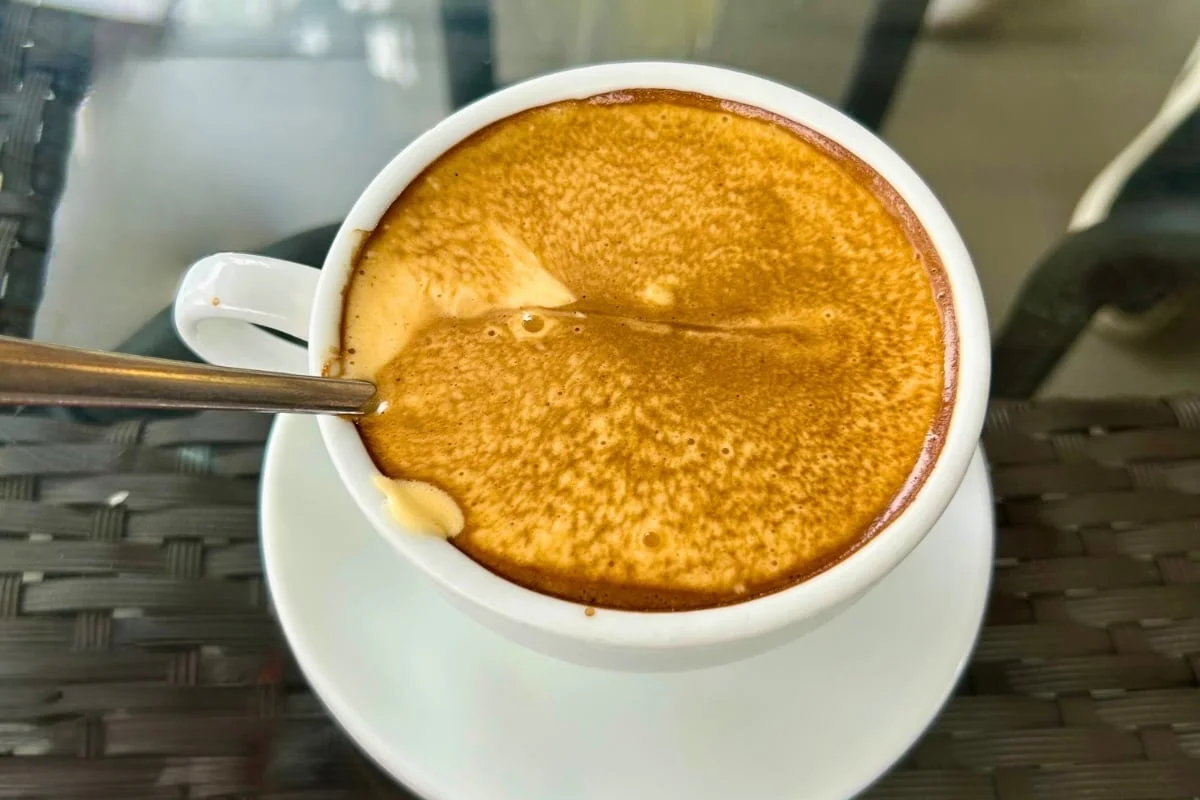
 Salted yolk is a staple in Vietnamese egg coffee, and the same ingredient can bring whipped sweetness to other beverage builds.
One of the most intriguing examples of a rich and creamy mouthfeel is the Japanese onsen egg. This carefully poached egg relies on a precise calibration of time and temperature to turn the liquid yolk into a somewhat solid but luxuriously creamy center of a silky and almost gelatin-like egg white. While onsen eggs are often an integral component in a bowl of ramen, they can also be smashed onto toast or combined with onions, celery, mustard and spices for an upscale twist on egg salad.
Leveraging the fatty, emulsifying quality of the lecithin found in eggs is an age-old trick for sauces like mayonnaise and hollandaise. But more recently, the egg yolk is finding its way into the creamy beverage space in the form of frothy, whipped salted egg yolk foam. In this preparation, salted egg yolk is soaked and then whipped into a decadent-as-can-be mousse topping. The result is ultra-creamy rich and packed with umami, making it the perfect companion for a very strong coffee or tea drink.
Star in Starch
Beyond traditional roux-thickened cream sauces, globally inspired starches can create authentic foods and beverages with a heritage story and a side of indulgence. Take Mexican atole as an example. The ancient spiced drink is thickened using nixtamalized corn masa, resulting in an extremely rich and creamy texture that, unlike flour-based roux, is naturally gluten free. Atole is also used as the base for the beloved cacao drink, champurrado. Indeed, cooking and puréing fresh corn—or any starchy vegetable with high natural sugar content, such as ube—offer a proven way to create creamy, slightly sweet foods and beverages with minimal extra ingredients.
Starches can also impart silkiness through various cooking methods, like velveting, a traditional Chinese cooking technique behind many perfectly textured dishes. The silky, almost slippery texture of velveting is achieved by coating pieces of protein in cornstarch and egg white. The latter tenderizes the meat with its lower pH, but it is the cornstarch that makes the magic happen—it creates a natural moisture barrier, locking in the juices and poaching the protein without drying it out.
Totally Tofu and Meringue Magic
 Credit: Paola Giannoni
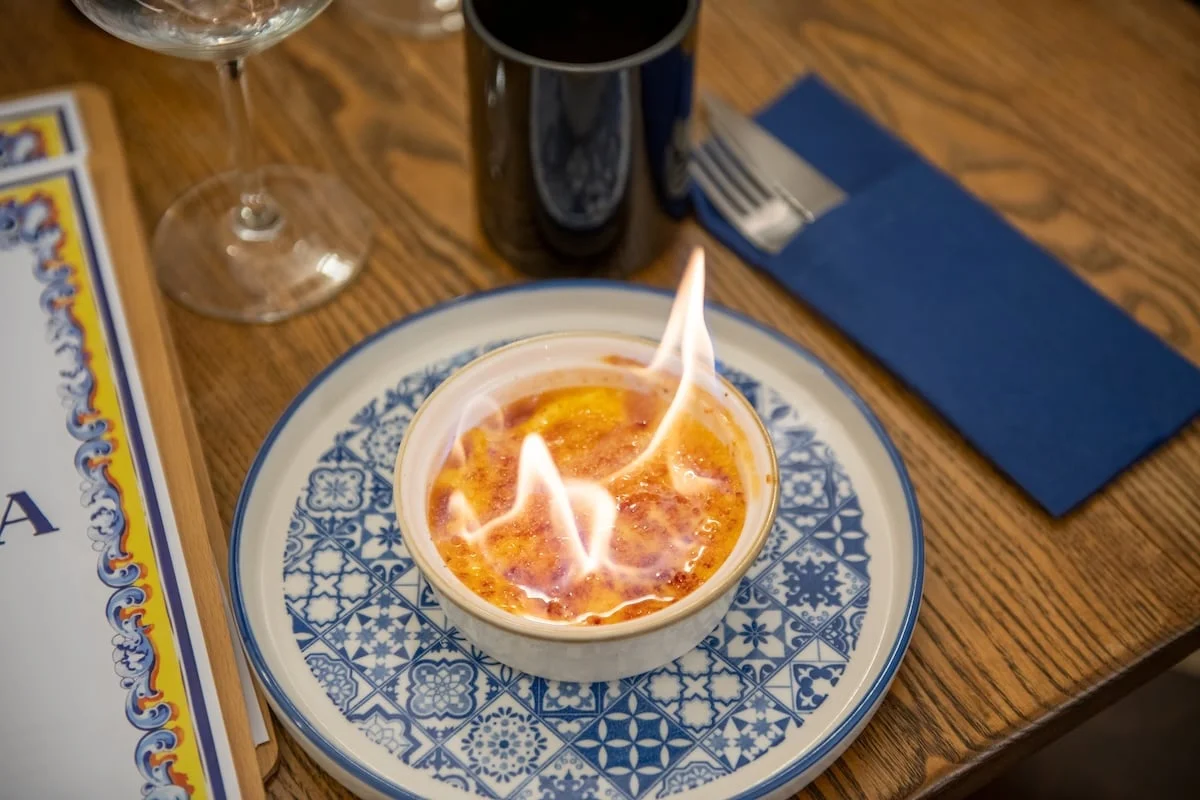
 Substituting silken tofu in place of heavy cream and egg yields a plant-based crème brûlée.
Tofu is one of those foods that has a texture that is truly hard to describe. So much so that the texture or firmness of it must be printed on the label in order to know how to use it. “Silken” tofu is often recognized for floating in Japanese miso soup and Korean kimchi jjigae. It’s also the headline ingredient in Chinese ma po tofu (grandmother’s bean curd). Silken tofu lives up to its name—it cuts like panna cotta and easily mashes. Try smothering it with vanilla-scented syrup and either torching it with sugar a la crème brûlée or dousing it in a rich caramel sauce for a vegan flan. It can also mimic cream and dairy when blended to a smooth paste for sauces and soups as well.
Some of the ultra-rich and creamy whipped toppings adorning viral beverages seem to defy gravity. Take, for example, Swiss meringue, in which whipped egg whites are aerated with cooked sugar for an ultra-thick foam, making it an ideal flavor carrier. Incorporate it into a reverse Vietnamese coffee in which a marshmallowy meringue topping is infused with strong coffee and sits atop the milk with ice. So indulgently rich and creamy, this beverage-dessert hybrid would require a spoon-straw.
Consumers are paying attention to texture now more than ever as new-to-the-West variations, like jiggly, squishy and stretchy, gain traction. But more familiar favorites, like creamy, smooth and silky textures, still have ample runway for menu innovation. Whether it’s tapping the global pantry, experimenting with cooking techniques or making strategic ingredient swaps, new approaches to this foundational texture can upgrade an already sumptuous mouthfeel.
About the Author
 Chef Rebecca Peizer is the owner of the culinary consultancy All Things Culinary LLC, as well as a professor, consulting partner, digital media talent and conference stage manager for the Culinary Institute of America. She has worked for many esteemed wineries, restaurants, resorts and culinary schools in New York, Boulder, Las Vegas and Napa Valley, Calif. She helped implement the nation’s first farm-to-table culinary program and has written culinary job training programs for wellness recovery programs such as the Salvation Army. Rebecca is a certified Olive Oil Sommelier, ProChef II, Certified Executive Chef, cheesemaker, herbalist and forager and can often be found gathering wild food and medicine in Northern California.Read More Stories by Rebecca Peizer
Rip, Tear and Pull-Apart Breads Menuing four fun, interactive styles
Flavor Trends, Strategies and Solutions for Menu Development[google_sidebar_ad adslug="2026-04-Surround-Kens-320x50"...
Tart Cherries Make Flavor Magic Reimagine ways to put their power of sour to work in modern menu development
Flavor Trends, Strategies and Solutions for Menu Development[google_sidebar_ad...
Spread a Little Indulgence Clean-label nut butters deliver dairy-free creaminess with a naturally premium read
Flavor Trends, Strategies and Solutions for Menu Development[google_sidebar_ad adslug="2026-05-Surround-Puratos-320x50"...
